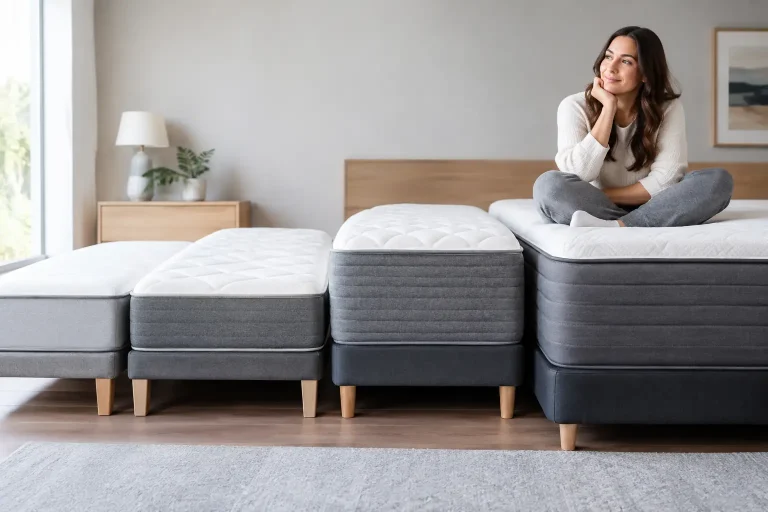
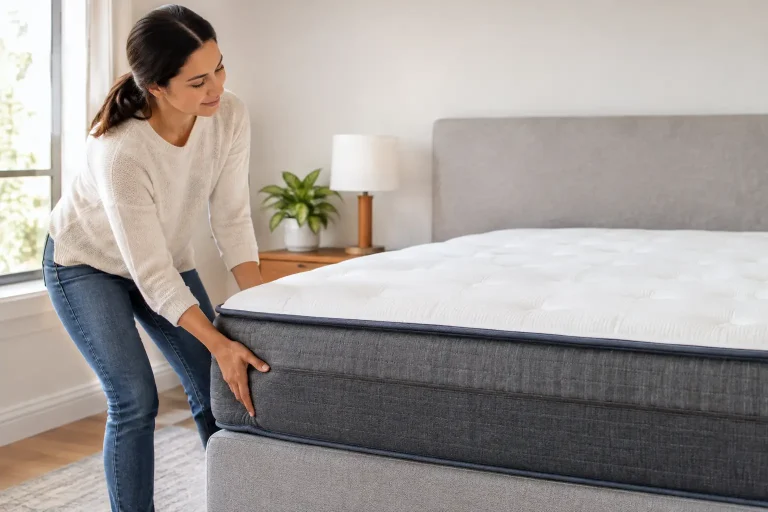
The edge of your bed is not a minor detail. It is where you sit to put on shoes, where you may perch before getting up, and where couples often sleep when sharing a smaller mattress. Weak mattress edge support can turn a comfortable bed into one that feels smaller, less stable, and harder on your body – even if the center initially feels plush and supportive.
For people managing back stiffness, joint discomfort, restless sleep, or a partner who takes up more than their share of the bed, a stable perimeter can make a meaningful difference. It helps the entire sleep surface work as intended, from the first moment you sit down to the last hour of deep sleep.
What Is Mattress Edge Support?
Mattress edge support refers to the reinforcement built around the perimeter of a mattress. Its purpose is simple: prevent the sides from collapsing too far when weight is applied. This reinforcement may come from firmer coils, a denser foam encasement, reinforced borders, or a combination of these materials.
A mattress without dependable edge support can feel fine in the middle but sink noticeably at the sides. You might slide forward while sitting, feel unstable when standing, or avoid the edge altogether while sleeping. Over time, that can limit the usable area of the mattress and make the bed feel worn before the comfort layers have truly reached the end of their life.
Quality support should not mean an edge that feels hard or sharply raised. The goal is a perimeter that holds you securely while still blending naturally into the mattress comfort system. You should feel supported, not like you are balancing on a rigid rail.
Why Strong Mattress Edge Support Matters
A supportive edge protects more than the shape of a mattress. It supports how you move, sleep, and recover each day.
It gives couples more room to sleep
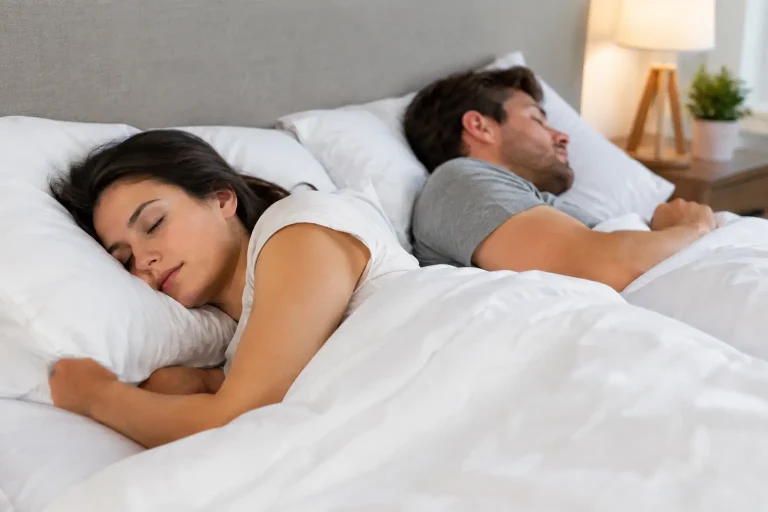
On a shared bed, every inch matters. When the edges compress too easily, both sleepers instinctively move toward the center. That can create a cramped feeling, especially on a full or queen mattress, and may lead to more partner disturbance through the night.
A reinforced perimeter lets you use more of the available surface with confidence. One partner can sleep nearer the side without feeling as though they will roll off, while the other keeps their own comfortable space. This is not just about a larger-feeling mattress. It is about fewer sleep interruptions caused by repositioning, bumping into one another, or fighting for the stable middle.
It makes getting in and out of bed easier
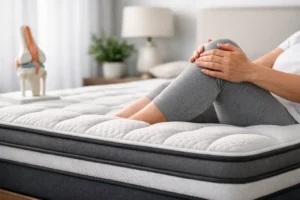
The edge is often the first point of contact in the morning and the last at night. If it sinks deeply under your weight, getting up can require extra effort from your knees, hips, and lower back. For adults with joint pain, morning stiffness, mobility concerns, or recovering muscles, that added strain can be frustrating.
A stable edge provides a firmer place to sit before standing. It does not replace medical care or mobility equipment where needed, but it can make a daily movement feel more controlled. This matters for busy professionals getting ready for work, parents settling children at bedtime, and anyone who wants their mattress to support easier routines instead of adding resistance.
It helps preserve the mattress structure
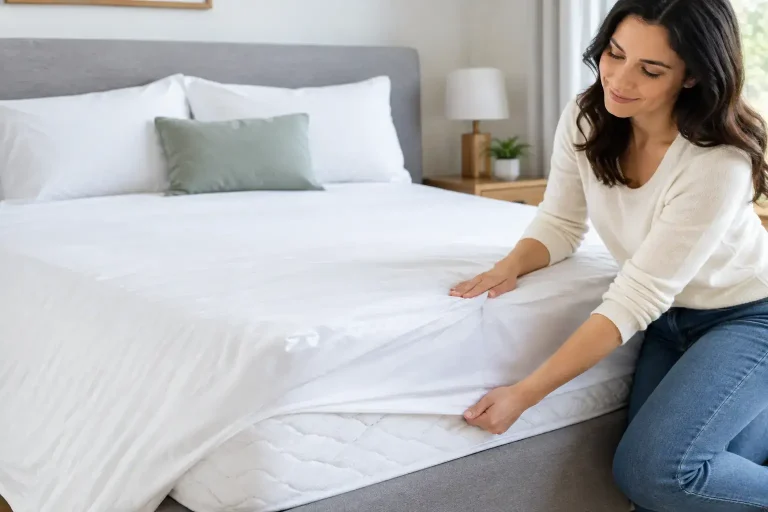
Mattresses experience concentrated pressure at their edges. Sitting in the same spot every day, tying shoes on the side of the bed, or sleeping near the perimeter can cause an unsupported border to soften faster than the rest of the mattress.
Reinforced edges distribute that pressure more effectively. In a well-designed hybrid, the coil system and perimeter construction work together to maintain a more even sleep surface. This can help the mattress retain its shape and keep its supportive feel longer, provided it is used on a proper foundation and cared for according to its instructions.
It creates a more secure sleep experience
Some sleepers naturally move toward the edge – side sleepers, active sleepers, and people sharing the bed with children or pets often know this well. A weak edge can create the sensation that the mattress drops away beneath you. That feeling may keep you from fully relaxing, even if you are not consciously aware of it.
A stable perimeter gives the bed a grounded, secure feel. When your sleep surface feels dependable from edge to edge, it is easier to settle into a comfortable position and stay there.
How Edge Support Works in Hybrid Mattresses
Hybrid mattresses are especially well suited to thoughtful edge construction because they combine responsive coils with pressure-relieving comfort materials. The exact design varies, but individually pocketed springs often play a central role.
Each pocketed coil responds more independently to pressure than a connected spring network. This helps support body weight with less transfer of movement across the mattress. At the perimeter, firmer coils or reinforced coil rows can strengthen the edges without forcing the entire mattress to feel overly firm.
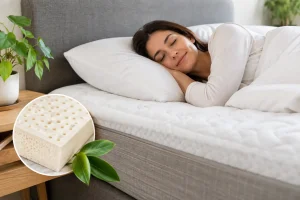
Above the coils, comfort layers such as latex and cooling gel foam help relieve pressure at the shoulders, hips, and lower back. Latex offers a buoyant, responsive feel that can make changing positions easier. Gel-infused foam can help manage heat buildup while contouring around the body. Together, these layers help the mattress feel comfortable at the surface while the spring system provides deeper support and stability.
The trade-off is worth understanding: a mattress can have excellent edge support and still feel too firm or too soft for your preferences. Edge strength is one part of the total sleep system. Your ideal choice should also account for your preferred sleep position, body weight, temperature needs, and whether you share the bed.
How to Tell Whether an Edge Is Supportive Enough
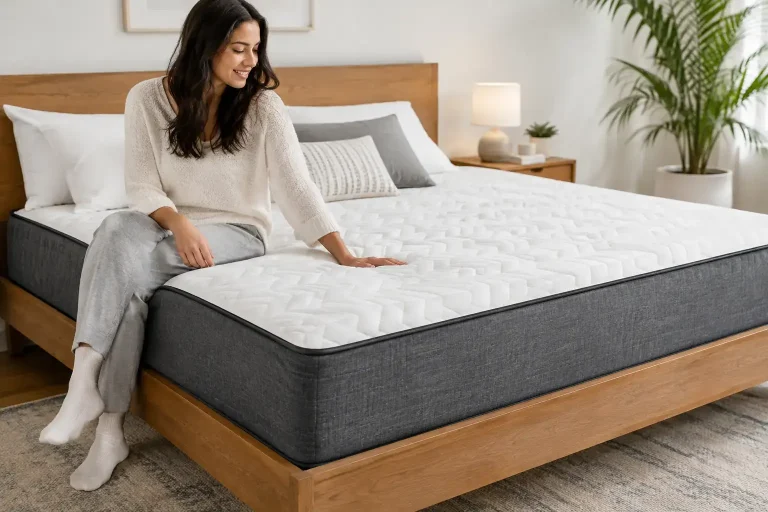
You do not need technical equipment to assess edge performance. Start by sitting on the side of the mattress as you normally would. A quality edge should compress somewhat, because comfort materials are designed to cushion pressure, but it should not collapse abruptly or make you feel as though you are sliding off.
Then lie near the perimeter in your usual sleep position. You should feel stable without being pushed toward the center. If you share a bed, consider how much space each person can comfortably use. A supportive edge is particularly valuable when a couple wants the roominess of a larger bed but has limited space in the bedroom.
Also pay attention to consistency. The edge should feel secure along the sides where you sleep and sit, not just in one reinforced spot. A mattress that feels strong at the foot but unstable along the long sides may not deliver the everyday support you expect.
When shopping online, look beyond broad claims such as “firm edge” or “extra support.” Check whether the mattress uses pocketed coils, perimeter reinforcement, high-density foam, or another defined construction method. Clear material information is a better sign than vague comfort language.
Edge Support and Your Sleep Position
Side sleepers often benefit from a mattress that combines dependable edges with enough pressure relief at the shoulder and hip. If the surface is too firm, those areas can feel compressed. If it is too soft, the hips may sink excessively and affect spinal alignment. A balanced hybrid design aims to cushion pressure points while maintaining support beneath the body.
Back sleepers may appreciate edge support for easier movement and a stable sitting surface, particularly when lower-back stiffness makes morning routines uncomfortable. Stomach sleepers usually need a more supportive overall feel to help prevent the hips from dropping too deeply. For them, edge reinforcement is helpful, but central support and mattress firmness deserve equal attention.
Heavier sleepers and anyone who regularly sits on the edge should prioritize strong perimeter construction. More weight creates more compression, so a lightly reinforced foam edge may not feel sufficient over time. On the other hand, a lighter sleeper may find that a well-made foam encasement provides plenty of stability without changing the mattress’s pressure-relieving feel.
A Better Edge Supports the Whole Bed
The best mattress does not ask you to avoid its edges. It gives you a stable place to sit, room to sleep comfortably with a partner, and confidence that the surface will support your body night after night.
At Azure Mattress, a thoughtfully engineered hybrid construction brings together individually pocketed springs, responsive comfort layers, and temperature-conscious materials to support peaceful, restorative rest. When evaluating your next mattress, treat the perimeter as part of the performance – because the support you feel at the edge can shape how the whole bed feels.