Upper back pain has a way of showing up before your alarm does. You wake up with tight shoulders, a stiff neck, and that dull ache between the shoulder blades that makes the first hour of the day feel harder than it should. If that sounds familiar, choosing the right mattress for upper back pain support is not about chasing softness or firmness alone. It is about giving your spine a stable, pressure-relieving surface that keeps your body aligned through the night.
The frustrating part is that upper back pain does not always come from the upper back itself. Poor mattress support can throw off your whole sleep posture. When your hips sink too far, your shoulders jam into the surface, or your neck is left unsupported, the thoracic spine can stay under tension for hours. That is why mattress construction matters far more than marketing labels.
What upper back pain needs from a mattress
A mattress that helps upper back discomfort should do three things at once. It should support neutral spinal alignment, reduce pressure around the shoulders and upper torso, and keep the sleep surface stable enough that your body does not collapse into awkward positions.
This is where many all-foam or basic spring beds fall short. A mattress that is too soft can let the chest and shoulders dip, especially for side sleepers. One that is too hard can create pressure points and force the upper spine to compensate. For most adults, the sweet spot is responsive support with enough contouring to cushion the shoulders without losing lift underneath the torso.
That balance is a major reason hybrid mattresses are often a stronger choice for pain-focused sleep. A quality hybrid combines pressure relief from comfort layers with structural support from individually pocketed coils. You get contour where you need it and resistance where you need it, which is exactly what an aching upper back tends to respond to best.
Why a hybrid mattress for upper back pain support makes sense
If your current mattress leaves you feeling sore, the issue may be less about age alone and more about how the layers interact with your body. Hybrids are designed to solve a common problem – people want cushioning, but they also need real support.
Pocketed springs help keep the spine more level because they respond independently to pressure. Instead of one broad bounce across the whole bed, each coil compresses based on the part of your body resting above it. That matters for upper back pain because your shoulders, chest, and midsection do not all need the same level of give.
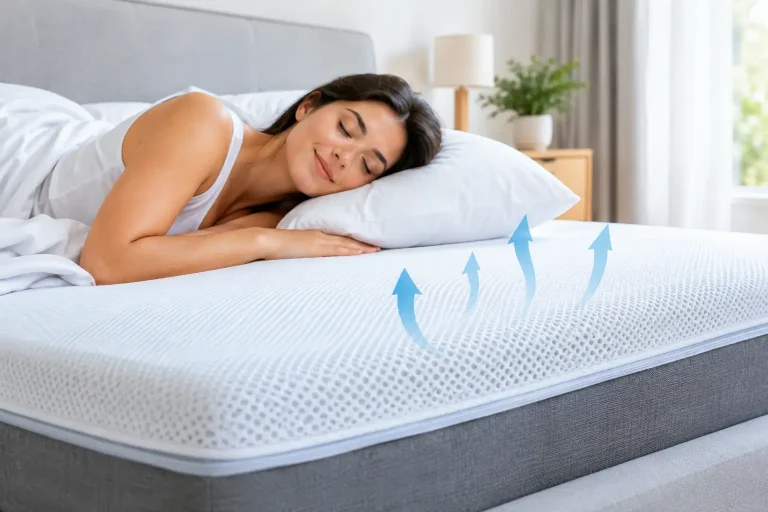
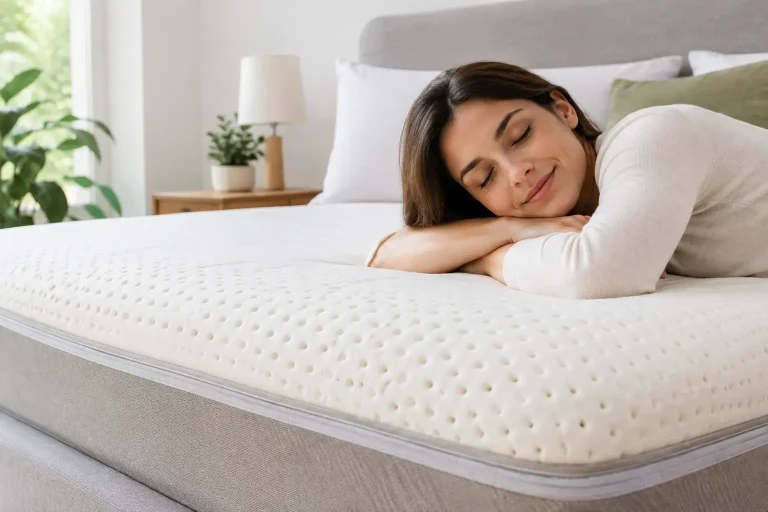
On top of that support core, comfort layers such as latex or cooling gel foam can reduce pressure buildup around the shoulders and upper rib cage. Latex tends to feel more responsive and buoyant, which many sleepers prefer if they dislike the stuck feeling of soft memory foam. Cooling gel foams can help with contouring while also addressing heat retention, which is worth paying attention to if pain already makes it hard to stay asleep.
A well-built hybrid can also help couples. If your sleep is interrupted every time your partner turns over, your muscles do not get enough uninterrupted recovery time. Motion isolation is not just a comfort feature. For many people with ongoing stiffness or back pain, fewer disturbances mean deeper sleep and better morning mobility.
Firmness matters, but not the way most people think
Many shoppers assume a firm mattress is automatically better for back pain. Sometimes it is, but upper back pain is more specific than that. Too firm, and the shoulders can get compressed. Too soft, and the torso may sink out of alignment.
Most adults do well in the medium to medium-firm range, especially on a hybrid design. This level usually offers enough pushback to support the spine while still cushioning the upper body. Side sleepers often need a touch more pressure relief because the shoulders carry more load in that position. Back sleepers usually need stronger support through the midsection to prevent the upper back from flattening into strain.
Body weight also changes the feel. A lighter sleeper may find a medium-firm mattress too rigid, while a heavier sleeper may need stronger coil support to avoid sagging. This is why firmness labels alone are not enough. The real question is whether the mattress keeps your body aligned in your actual sleep position.
Materials that can help – and what to watch for
When comparing models, focus less on buzzwords and more on what each layer is doing. Latex is often a strong option for people who want pressure relief with a lifted, supportive feel. It contours, but it does not usually collapse under the shoulders the way lower-density foams can.
Cooling gel foam can help reduce surface pressure and improve comfort for sore areas, but density matters. Better foams hold their shape longer and are less likely to develop body impressions that worsen alignment over time. This is especially important if your current mattress started out comfortable and slowly became the source of the problem.
The coil system is just as important. Individually pocketed coils usually outperform connected spring systems for targeted support and motion control. A structured coil design can help maintain better posture through the night while limiting the ripple effect from your partner moving beside you.
Certifications are also worth a look. Materials such as CertiPUR-US certified foams and Oeko-Tex tested fabrics offer reassurance that your mattress is built with quality and safety in mind. They do not guarantee pain relief on their own, but they do support the bigger picture of durability and trust.
Sleep position changes what support should feel like
The best mattress for upper back pain support depends partly on how you sleep now, not just on where you feel pain.
Side sleepers usually need enough cushioning to let the shoulders settle slightly without collapsing the upper spine. If the mattress is too hard, pressure builds fast across the shoulders and upper ribs. If it is too soft, the body twists and the thoracic spine can stay irritated.
Back sleepers usually need a more even, balanced feel. The upper back should rest naturally while the lower body stays supported enough to prevent the whole spine from flattening out. A medium-firm hybrid often works well here because it blends contour with lift.
Stomach sleeping is usually the toughest position for upper back and neck comfort. It tends to rotate the neck and compress the spine in ways that can aggravate tension. If you sleep this way, a supportive mattress can help, but pillow choice and sleep posture matter just as much.
Signs your mattress is making upper back pain worse
Some mattress problems are obvious, and some are easy to dismiss for too long. If you wake up stiff but feel better after moving around, your mattress may not be holding your body in a healthy position overnight. If the pain gets worse on weekends or after long sleep sessions, that is another clue.
Visible sagging, shoulder numbness, rolling toward the center, or feeling your partner’s every movement are also warning signs. So is overheating. When you sleep hot, you toss, turn, and tense up more often. That repeated movement can keep irritated muscles from settling down.
A better mattress should not promise to cure medical pain. What it can do is remove nightly stressors that keep your upper back from recovering.
How to shop without getting distracted by hype
Start with construction, not adjectives. Look for a hybrid model with pressure-relieving comfort layers, a supportive pocket spring base, and airflow features that help regulate temperature. Then check whether the mattress is built for consistent support over time, not just showroom softness.
Policies matter too. A long warranty, free shipping and returns, and installment payment options reduce the risk of upgrading. If you are dealing with pain, confidence matters. You should be able to test a mattress knowing the company stands behind the build quality.
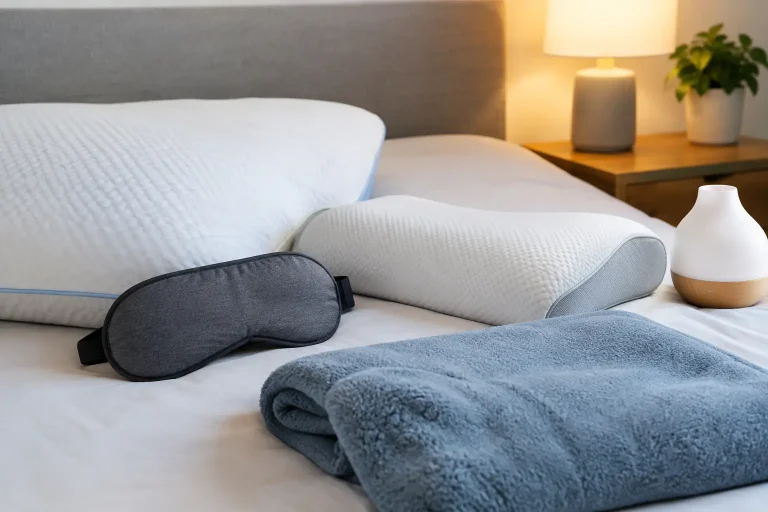
This is also where a full sleep system can make a difference. Even the best mattress will underperform if your pillow pushes the neck out of alignment. For upper back pain, the mattress and pillow need to work together so the shoulders, neck, and spine stay in a more neutral position.
At Azure Mattress, that support-first approach is built into the design philosophy. Hybrid layers, cooling materials, and structured coil systems are not there for buzz. They are there to improve alignment, reduce pressure, and help you sleep with less disruption.
The real goal is not a softer bed – it is a calmer morning
People shopping for pain relief often think they need instant plushness. What they usually need is better engineering. A mattress should cushion pressure points, support the spine, stay cool enough for uninterrupted sleep, and hold steady when your partner moves.
If your upper back has been asking for relief night after night, the right mattress can change more than comfort. It can make sleep feel restorative again, which is what your body has been trying to get all along.