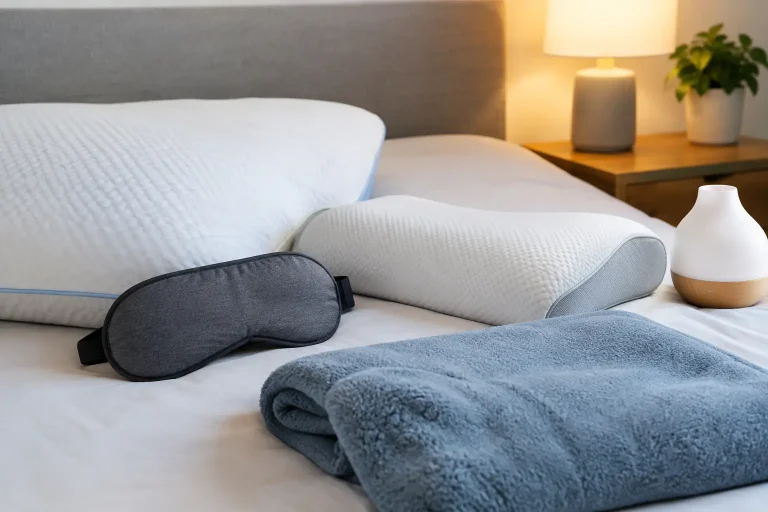
If you wake up stiff, sleep hot, or feel every turn your partner makes, the choice between a hybrid mattress vs memory foam is not a small detail. It is often the difference between getting through the night and actually waking up restored. The right mattress should do three things well: relieve pressure, keep your spine aligned, and help your body stay at a comfortable temperature. That is where these two mattress types start to separate.
Hybrid mattress vs memory foam: the real difference
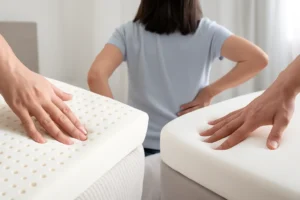
A memory foam mattress is built primarily from foam layers. Its signature feel is contouring. When you lie down, the material softens under pressure and heat, then molds around your shoulders, hips, and lower back. Many sleepers like that hugged, cushioned sensation because it can reduce pressure points.
A hybrid mattress combines foam comfort layers with a pocketed coil support core. In better designs, those layers may also include latex, cooling gel foam, or targeted support zones. The result is a mattress that aims to give you pressure relief without sacrificing lift, airflow, or responsive support.
On paper, both can sound comfortable. In practice, they solve sleep problems differently.
Support and spinal alignment
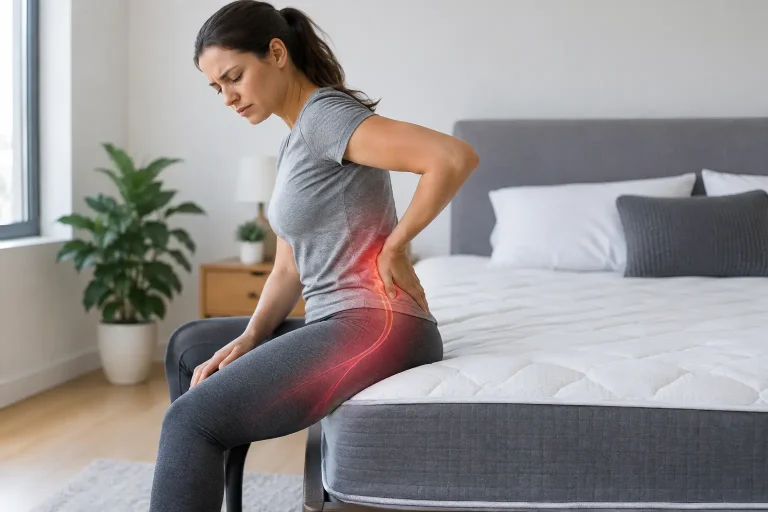
For adults shopping with back pain, stiffness, or joint discomfort in mind, support usually matters more than softness. This is where hybrids often pull ahead.
Memory foam can feel excellent at first contact because it compresses easily and cushions the body. But support is not just about softness. Your mattress needs to hold your spine in a neutral position for hours at a time. If the foam is too soft or lacks structural reinforcement, heavier areas like the hips can sink too far. That can place extra stress on the lower back.
A well-built hybrid uses coils to create a more stable support base. Individually pocketed springs respond to body weight with more upward push than foam alone, which helps keep the spine better aligned. For back and combination sleepers, that balance of cushioning and support is often the deciding factor.
This does not mean every hybrid is automatically better. A poorly designed hybrid can still feel uneven or too firm. But if your goal is orthopedic-style support with less sag and better weight distribution, hybrid construction usually offers a stronger foundation.
Pressure relief and body contouring
Memory foam earned its reputation for a reason. It is very good at pressure relief, especially for side sleepers who need more cushioning around the shoulders and hips. The material adapts closely to the body, which can reduce those sharp pressure build-ups that interrupt sleep.
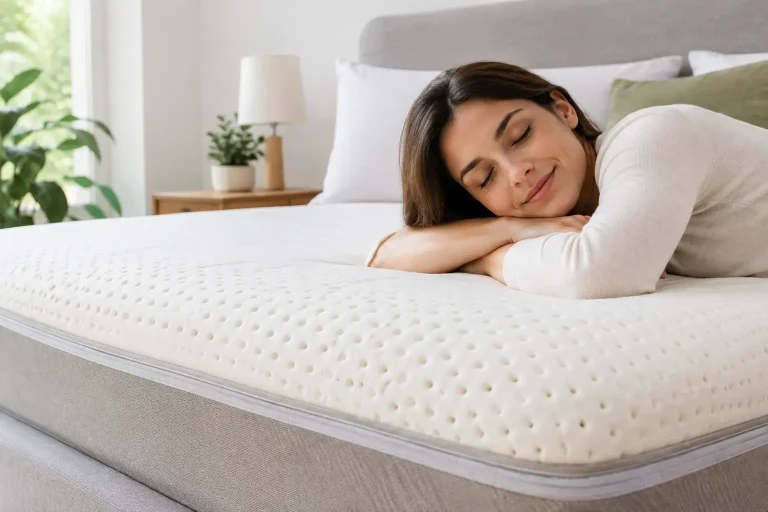
Hybrid mattresses can also relieve pressure, but the feel is different. Instead of a deep cradle, many hybrids provide a more lifted, balanced contour. If they include latex or quality comfort foams, they can cushion sensitive areas while still keeping you from feeling stuck.
This is one of the biggest it-depends categories. If you love a slow-moving, body-hugging surface, memory foam may feel more satisfying. If you want pressure relief but also want easier movement and stronger pushback under the body, a hybrid is often the smarter fit.
Temperature regulation and sleeping hot
Heat is where memory foam often gets criticized. Traditional memory foam tends to hold onto warmth because dense foam does not allow much airflow. Manufacturers try to improve this with gel infusions, open-cell designs, or breathable covers, and those features can help. Still, foam-only beds generally sleep warmer than hybrids.
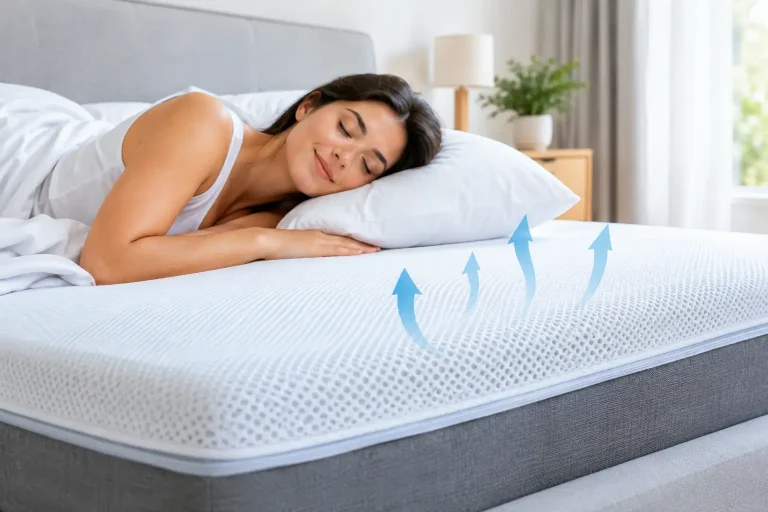
Hybrid mattresses have a built-in advantage here. The coil layer allows air to move through the bed instead of trapping heat in solid foam. If the mattress also includes cooling gel, breathable fabrics, or latex, that temperature control gets even better.
For hot sleepers, people in warm climates, or couples who naturally generate more body heat, this matters every night. A cooler sleep surface does not just feel better. It can reduce tossing, improve comfort consistency, and make it easier to stay asleep through the deeper stages of rest.
Motion isolation for couples
If one person gets up early, changes positions often, or moves a lot during the night, motion isolation becomes a major buying factor.
Memory foam is excellent at absorbing movement. Because there are no springs pushing motion across the bed, foam mattresses usually do a very good job of limiting disturbance. That is one reason couples often consider them first.
Hybrids can also perform extremely well here, but the construction matters. Older connected-spring mattresses were known for transfer. Modern hybrids with individually pocketed coils are different. Each coil moves more independently, which helps reduce ripple effects across the mattress. When paired with quality foam layers, a hybrid can deliver strong motion isolation without the overly sinking feel some sleepers dislike in all-foam beds.
For many couples, this becomes less of a hybrid-versus-foam debate and more about build quality. A high-performance hybrid can offer near-foam-level motion control while adding stronger support and cooler sleep.
Ease of movement and responsiveness
This category often gets overlooked until people actually sleep on the mattress for a week.
Memory foam responds more slowly. That close contouring can feel comforting, but it can also make changing positions harder, especially for combination sleepers or people with joint stiffness. Some sleepers describe it as feeling stuck in one spot.
A hybrid is typically more responsive. The coil system and latex or adaptive comfort layers provide more bounce and easier movement. That matters if you rotate from side to back during the night, sit on the edge of the bed often, or simply do not want to fight your mattress when you move.
For older adults, active sleepers, and anyone dealing with mobility discomfort, that easier repositioning can noticeably improve sleep quality.
Durability and long-term performance
A mattress that feels good in month one still has to perform in year five.
Foam mattresses vary widely in durability. Higher-density foams usually last longer, while lower-quality foams can soften, form impressions, or lose support faster. Once comfort layers break down, spinal support often goes with them.
Hybrids also vary, but a quality pocket spring system can improve long-term resilience by sharing the load instead of relying entirely on foam. Better airflow can also help materials stay more stable over time. If the mattress uses premium foams, latex, and reinforced support layers, it will usually maintain comfort and structure more effectively than a basic all-foam bed.
That is one reason many buyers see hybrids as a stronger upgrade from traditional mattresses. They tend to offer a more durable mix of comfort and support, especially for couples or sleepers with higher body weight.
Who should choose memory foam?
Memory foam makes sense if your top priority is deep pressure relief and close contouring. Side sleepers who love a softer, more cradled feel may prefer it. It can also work well for couples who want maximum motion absorption and are not especially sensitive to heat.
The trade-off is that you may give up some airflow, ease of movement, and support stability compared with a well-engineered hybrid. For sleepers with chronic back pain or those who dislike sinking into the bed, that trade-off can become frustrating over time.
Who should choose a hybrid mattress?
A hybrid is usually the better choice for sleepers who want more than one problem solved at once. If you need pressure relief but also stronger spinal alignment, better cooling, and less partner disturbance, a hybrid is built for that balance.
It is especially appealing for back sleepers, combination sleepers, hot sleepers, and couples. It also tends to be the better option for buyers moving on from older spring mattresses who want modern comfort without losing supportive lift.
At Azure Mattress, this is exactly why hybrid design sits at the center of the sleep system. Combining pocketed springs with pressure-relieving comfort layers and cooling materials creates a more complete solution for pain relief, motion isolation, and temperature control.
How to decide without overthinking it
If you are comparing hybrid mattress vs memory foam, start with the problem you most want to fix. If it is pressure points and you love a close body contour, memory foam may suit you. If it is back pain, overheating, mixed sleeping positions, or sleeping beside a restless partner, a hybrid usually gives you more complete performance.
The smartest buyers do not shop by mattress label alone. They shop by outcomes. Better spine support. Less heat buildup. Fewer sleep interruptions. More comfortable mornings.
That is the standard worth using, because the best mattress is not the one with the most marketing around it. It is the one that helps your body recover when the lights go out.