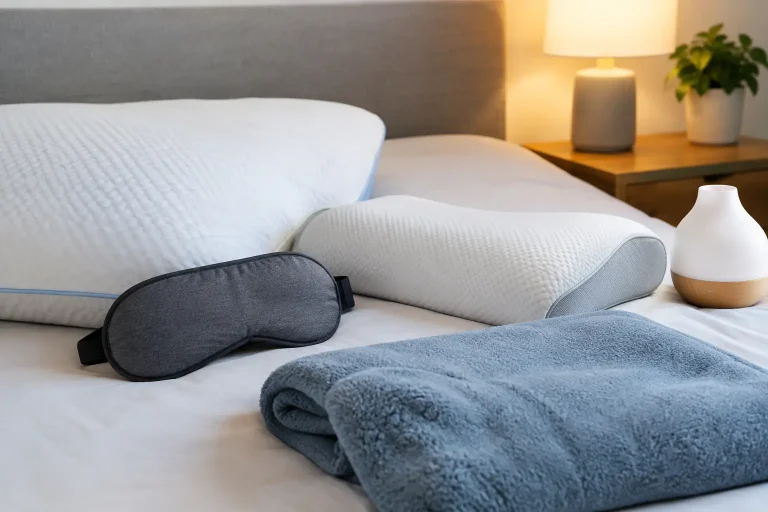
A mattress that leaves you stiff before your alarm goes off is not a small inconvenience. It can affect how you sit at your desk, train at the gym, manage a busy household, and feel alongside your partner. The mattress topper vs new mattress decision comes down to one question: is your current bed structurally supportive but missing comfort, or has it stopped supporting your body altogether?
A topper can be a smart, affordable adjustment when the foundation of your mattress is still sound. But if you are sleeping in a dip, waking with recurring back pain, overheating night after night, or feeling every movement beside you, a new mattress is often the more meaningful investment. The right choice should improve how your body recovers, not simply make an old bed feel softer for a few months.
Mattress Topper vs New Mattress: Start With the Foundation
A mattress topper is a separate comfort layer that sits on top of your mattress, usually adding cushioning, contouring, or a cooler surface feel. It can change the first few inches you sleep on. What it cannot do is rebuild the support system underneath.
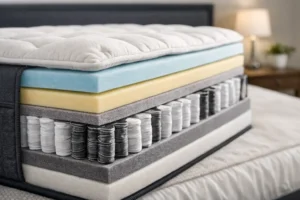
Your mattress core is responsible for keeping your spine in a more neutral position throughout the night. In a quality hybrid mattress, that job is handled by a structured pocketed spring system, supported by comfort materials such as latex or cooling gel foam. When the core has weakened, a topper follows the sag instead of correcting it. You may feel plush at first, but your hips and shoulders can still sink out of alignment.
Think of a topper as a comfort upgrade, not a structural repair. If your mattress lies flat, feels stable, and still supports you well, a topper may be exactly what you need. If it has visible body impressions, soft edges, noisy springs, or a persistent valley in the middle, the problem is deeper than the surface.
When a Mattress Topper Is the Right Move
A topper works best when your mattress is relatively new or in good condition but does not match your current comfort needs. Bodies, routines, and preferences change. A mattress that once felt ideal may start to feel too firm after an injury, pregnancy, changes in weight, or simply years of demanding work and poor recovery.
Your mattress feels too firm, but not unsupportive
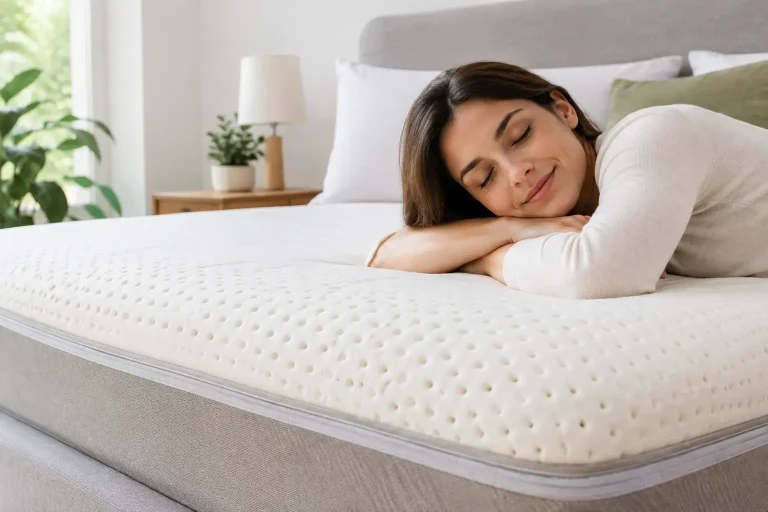
If you wake with pressure at the shoulders or hips while the mattress itself remains level and supportive, a topper can add welcome cushioning. Side sleepers often benefit from a pressure-relieving top layer because their shoulders and hips naturally carry more concentrated load.
The key is not to add unlimited softness. A topper that is too thick or too plush can allow the hips to sink too far, particularly for stomach sleepers and many back sleepers. Choose a topper that relieves pressure while preserving a stable, supported feel beneath your midsection.
You need a temporary comfort adjustment
A topper may make practical sense for a guest room, a short-term rental, a college apartment, or a mattress that is still within its useful life but needs a modest refresh. It can also help couples fine-tune the feel of a shared bed when both partners agree that the current mattress provides enough support.
That said, temporary should remain temporary. If you keep adding toppers, folded blankets, or pillows to compensate for aches, that is a sign to reassess the mattress itself.
You want to improve surface temperature
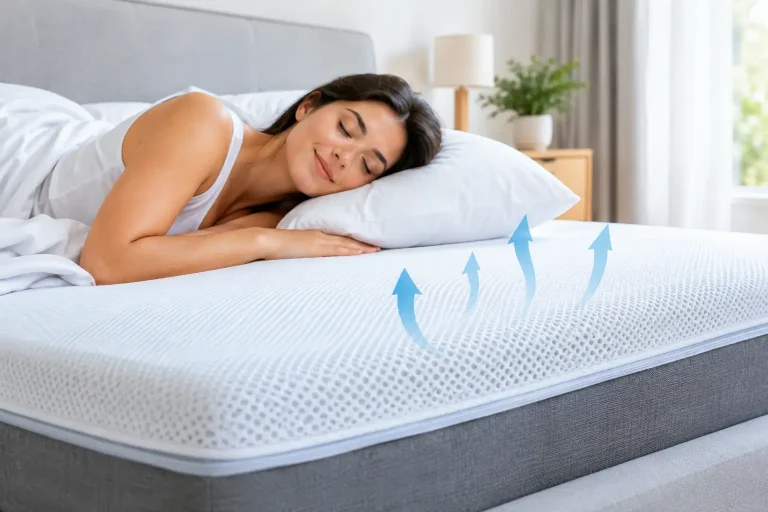
Some toppers use breathable materials or cooling gel foam that can reduce the warm, closed-in feeling of a foam surface. This can be helpful if your mattress is supportive but sleeps a little warmer than you prefer.
Still, a topper only affects the upper layer of the sleep system. If heat buildup comes from dense, non-breathable materials throughout the mattress, a breathable topper may provide partial relief rather than a full solution. Consistent temperature regulation is more effectively built into the mattress from cover to comfort layers to coil airflow.
Signs You Need a New Mattress
A new mattress is usually the better choice when comfort issues are paired with support issues. Your body should not have to work overnight to find a position that feels safe and settled.
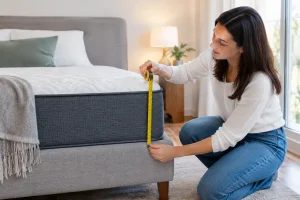
First, inspect the mattress without sheets. Visible sagging, deep impressions that do not rebound, uneven areas, broken edges, or protruding springs are clear reasons to replace it. Even without obvious damage, pay attention to what your body tells you. Morning stiffness that improves once you get moving, numb arms from pressure buildup, lower back discomfort, and restless repositioning can all point to a worn or poorly matched mattress.
Motion transfer is another important signal, especially for couples. If one person gets up, turns over, or returns to bed and the other person wakes, the mattress is not isolating movement effectively. A topper may slightly soften the sensation at the surface, but it cannot replace a responsive pocket spring system designed to limit movement across the bed.
A replacement is also worth considering if your needs have changed. Someone who slept comfortably on a basic spring mattress in their twenties may need more pressure relief, joint support, and cooling after years of long workdays or recurring stiffness. Upgrading is not about chasing luxury. It is about matching your sleep surface to the recovery your body now needs.
What a New Hybrid Mattress Can Solve That a Topper Cannot
The strongest argument for a new mattress is not just a fresher surface. It is an engineered system where each layer has a clear job.
Individually pocketed coils provide targeted support instead of moving as one connected unit. This helps the mattress respond to different areas of the body and can reduce disturbance when a partner shifts position. Latex can add buoyant pressure relief and durability, while cooling gel foams can cushion key pressure points without creating an overly stuck-in feel. Together, these materials help balance comfort, spinal support, and airflow.
This balance matters because too-soft and too-firm mattresses can both create discomfort. A mattress that is too soft may allow the lower back to dip. One that is too firm may push against the shoulders and hips, causing you to toss and turn. The goal is a surface that contours where you need relief and holds steady where you need alignment.
For shoppers focused on material quality, look beyond marketing terms. Certifications such as CertiPUR-US and OEKO-TEX can provide added reassurance around foam and textile standards. A substantial warranty, a realistic trial or return policy, and clear details about the materials inside the mattress are also more valuable than vague promises of comfort.
Make the Decision Based on Your Sleep Problem
The simplest way to choose is to identify the problem you are actually trying to solve. If your bed is supportive but feels a touch too firm, a topper may be enough. If the mattress is flat, stable, and you only want a cooler or more pressure-relieving surface, a well-chosen topper can extend its usefulness.
Choose a new mattress if you need better spinal support, stronger edge stability, less partner disturbance, or deeper temperature control. These are construction-level benefits. They depend on what is inside the mattress, not only what sits on top of it.
Budget matters, of course, but price should be considered alongside lifespan. Buying a low-cost topper every year or two to manage a failing mattress can become more frustrating and less economical than replacing the bed with one designed for long-term support. Flexible payment options, delivery, returns, and warranty coverage can also make a quality upgrade more manageable.
A Better Night Starts With an Honest Assessment
Before buying anything, spend a few nights noticing patterns. Where do you feel pressure? Do you wake hot? Does your partner’s movement interrupt your sleep? Is the mattress visibly uneven, or do you simply want a softer feel? Honest answers prevent you from using a topper as a bandage for a mattress that has reached the end of its working life.
Azure Mattress approaches sleep as a system: pressure relief for comfort, structured support for the spine and joints, and breathable materials for a cooler night. Whether you choose a topper or a replacement, make sure the solution addresses the real reason you are not waking refreshed.
Your bed should be the place where your body settles, your muscles release, and your sleep stays protected from heat, pressure, and motion. Choose the option that gives you that confidence when the lights go out.