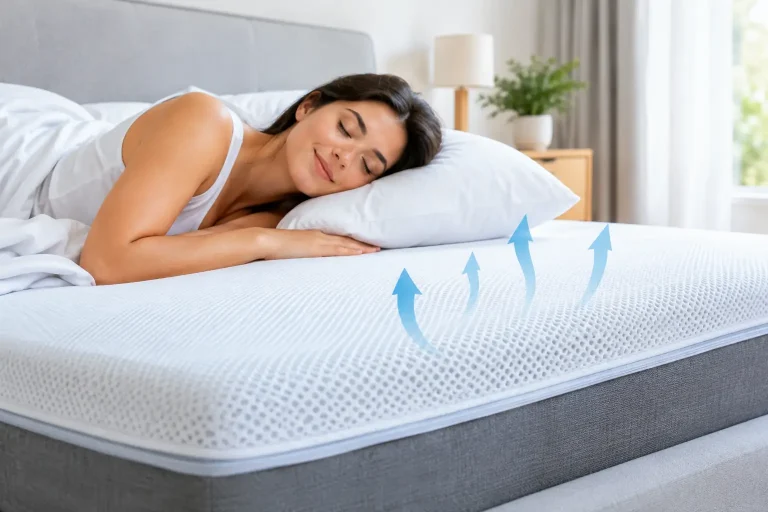
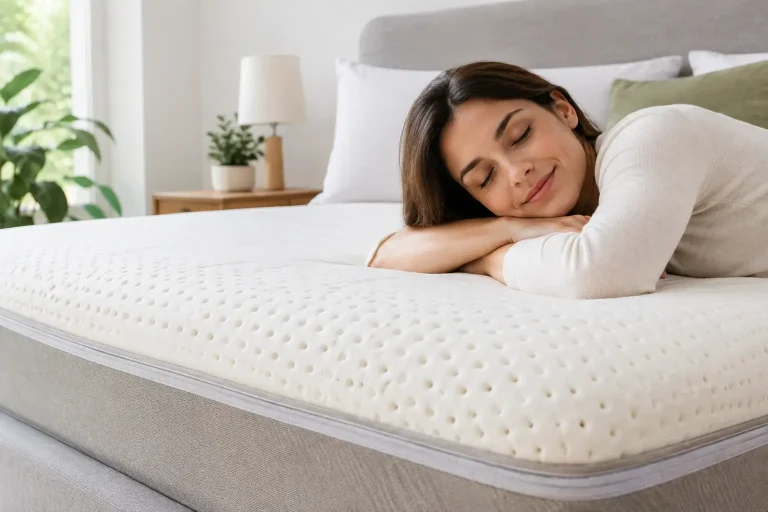
A mattress can do the heavy lifting for comfort, but the details around it determine whether you wake up restored or still negotiating with a stiff neck, overheated shoulders, or a crumpled sheet at 3 a.m. The best sleep system accessories are not decorative extras. They are performance layers that protect your mattress, support healthy alignment, manage temperature, and make your sleep surface work for your body.
For people managing back discomfort, joint pressure, partner movement, or night sweats, the right accessory should solve a specific problem. Start there, rather than buying a matching set of everything at once.
Build Your Sleep System Around Your Main Problem
A sleep system works best when each piece has a job. Your mattress should provide foundational support and pressure relief. Accessories should fine-tune the experience without fighting that support.
If you wake with neck tension, your pillow deserves attention before you add a topper. If your hips or shoulders feel pressure despite a supportive mattress, a quality topper may help. If heat is what keeps waking you, breathable bedding and a temperature-conscious protector matter more than extra cushioning.
This approach avoids a common mistake: piling soft layers onto a mattress that already feels too soft. More plushness can feel luxurious for a night or two, yet allow the hips to sink too deeply over time. That can pull the spine out of a neutral position and leave lower-back muscles working while you sleep.
The Best Sleep System Accessories to Prioritize
A supportive pillow for neck and spinal alignment
Your pillow is the bridge between your mattress and your head. When it is too high, too flat, or too quick to collapse, your neck bends away from its natural alignment. The result can be morning headaches, shoulder tightness, and the familiar urge to keep rearranging the pillow all night.
The best height depends on your sleep position and shoulder width. Side sleepers generally need a loft that fills the space between the ear and outer shoulder. Back sleepers often need medium support that cradles the neck without pushing the chin toward the chest. Stomach sleepers usually need a very low-loft option, although this position can place added strain on the neck and lower back.
Look for a pillow that holds its shape, distributes pressure gently, and does not trap excessive heat. Latex and responsive foam can be strong choices because they provide consistent support rather than flattening under the head. The feel is personal, though. A firm pillow may be ideal for a broad-shouldered side sleeper and completely wrong for someone who sleeps mostly on their back.
A mattress protector that preserves breathability
A mattress protector is one of the least glamorous accessories and one of the most worthwhile. It creates a barrier against sweat, spills, skin oils, and allergens that can gradually affect the cleanliness and longevity of a mattress.
The trade-off is breathability. Cheap waterproof protectors can feel plasticky, make noise when you move, and hold heat close to the body. A better option uses a thin, breathable waterproof layer with a stretch-knit surface. It should fit securely without changing the contouring feel of a hybrid mattress.
For couples, this matters more than it may seem. A protector that bunches, slides, or traps heat can disrupt both sleepers, even when the mattress underneath has excellent motion isolation. Choose a fitted design sized to your mattress depth, and wash it according to its care instructions to maintain its protective performance.
A topper for targeted comfort adjustment
A topper can be useful when your mattress is still structurally supportive but needs a measured comfort adjustment. It is not a cure for a sagging or worn-out mattress. If the support core beneath you is failing, adding foam on top usually delays the real solution and may worsen alignment.
For a mattress that feels slightly too firm at the shoulders or hips, a two- to three-inch topper can add pressure relief. Latex toppers tend to feel buoyant, responsive, and more breathable than traditional memory foam. Foam toppers can create a deeper contouring sensation, which some pressure-sensitive sleepers enjoy, but dense foam may sleep warmer and make changing positions feel harder.
The key is restraint. If your mattress already has a comfort layer designed for spinal support, use the thinnest topper that solves the problem. Your goal is to reduce painful pressure points while keeping the hips and lower back properly supported.
Breathable sheets that support cooler sleep
Sheets are in direct contact with your skin for hours, so their material affects temperature regulation more than many shoppers expect. If you tend to overheat, prioritize breathable fabrics and avoid judging quality by thread count alone.
Cotton percale has a crisp, airy feel that suits hot sleepers. Tencel lyocell is smooth, moisture-managing, and often appealing for people who want a cooler, softer hand feel. Linen provides excellent airflow and becomes more relaxed over time, though its naturally textured finish is not for everyone.
Heavier brushed fabrics may feel cozy in a cool room but can hold warmth around the body. That is not automatically a problem – it depends on your climate, thermostat habits, and personal temperature. The best choice is the one that helps you maintain a stable, comfortable body temperature through the night, not just one that feels soft when first touched.
A breathable duvet or comforter with the right warmth level
An overly warm comforter can undo the cooling work of a breathable mattress, ventilated foam, or pocketed coil system. Many people assume nighttime heat means they need no blanket at all. Often, the better answer is a lighter, more breathable fill that provides comfort without creating a heat pocket.
Consider your bedroom temperature first. A lightweight insert is usually sufficient for warm sleepers or warmer climates. A medium-weight option offers more versatility for air-conditioned rooms and changing seasons. Down alternatives can be a practical choice for easier care, while natural fills may offer a different loft and temperature feel.
The cover fabric matters, too. A breathable cotton shell allows heat and moisture to move more freely than a tightly woven synthetic cover. If you share a bed and have very different temperature preferences, separate blankets can be surprisingly effective. It is a simple solution that prevents one partner from overheating while the other shivers.
Accessories That Improve Sleep for Couples
A supportive hybrid mattress with individually pocketed coils can reduce movement transfer at the source. Still, a few accessory choices can protect that benefit. A properly fitted protector and sheet set will stay smooth rather than pulling loose when one person turns. A responsive pillow helps each sleeper maintain comfort without repeatedly adjusting position.
For couples with different comfort needs, avoid treating the bed as a one-setting system. One partner may need a cooling pillow while the other prefers a warmer duvet. Separate blankets, individual pillows, and even a targeted topper on one side can be more practical than compromising both sleepers into restless nights.
This is also where bed size matters. A larger surface gives each person more room to change position without creating disturbance. No accessory can fully compensate for a sleep surface that is too small for two active sleepers.
What to Skip When Choosing Sleep Accessories
Be cautious with products that make dramatic claims but do not explain how they work. A “cooling” label means little without breathable materials, airflow, or moisture management. A pillow marketed as orthopedic should still be judged by its loft, support, and ability to keep your head aligned with your spine.
Avoid buying accessories simply because they are heavily padded. Excess cushioning can mask pressure temporarily while reducing the stable support your joints need. Likewise, do not let a mattress protector, topper, or fitted sheet create lumps and tension across the surface. Your sleep system should feel precise and calm, not crowded.
At Azure Mattress, the goal is a complete sleep environment built around comfort, spine and joint support, and temperature control. Accessories should reinforce those outcomes, not add another obstacle between you and restorative sleep.
Start with the accessory that addresses the discomfort you notice most often. A better pillow can change how your neck feels tomorrow morning. A breathable protector can preserve the mattress you rely on every night. Small, intentional upgrades create the kind of peaceful, uninterrupted rest your body can actually use.