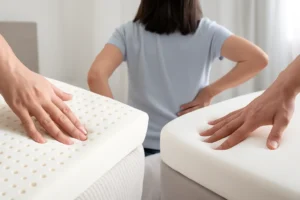
You usually do not notice a mattress wearing out all at once. It shows up in smaller ways first – lower back tightness when you wake up, more tossing at night, a warm sleep surface that seems to trap heat, or that familiar roll-toward-the-middle feeling when your partner moves. A good mattress lifespan buying guide helps you look past showroom softness and focus on how long real support, pressure relief, and temperature control are likely to hold up.
For most adults, the question is not just how many years a mattress can survive. It is whether it can keep doing the job your body needs. If you deal with back pain, joint stiffness, or sleep disruption from motion transfer, a mattress that lasts structurally but stops supporting you properly is already past its useful life. That is why lifespan should be part of the buying decision from day one, not something you think about only after the sagging starts.
Mattress lifespan buying guide: start with construction
The fastest way to judge durability is to understand what is inside the mattress and how those layers work together. Materials matter, but the arrangement matters too.
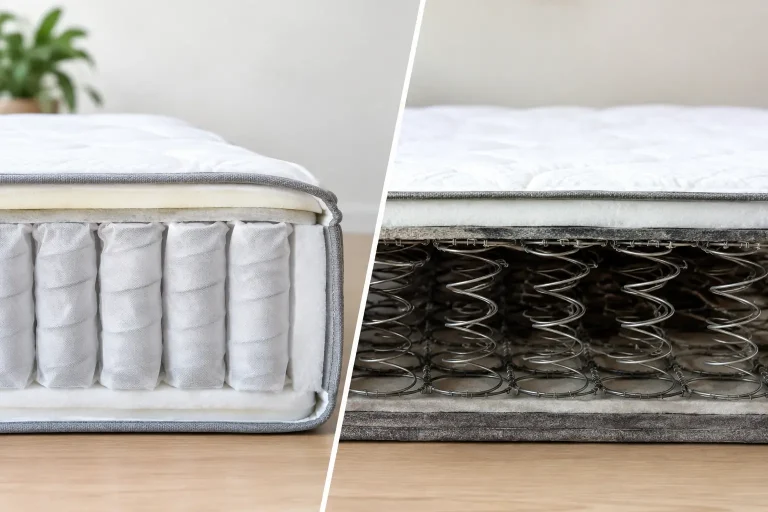
Traditional low-cost innerspring mattresses often lose comfort faster because the support is less targeted and the top layers are usually thinner. They may feel acceptable at first, especially if the price is attractive, but they can develop uneven pressure points and motion spread sooner than more advanced builds. For shoppers who want a meaningful upgrade, this is usually where disappointment starts.
All-foam mattresses can perform well, but lifespan depends heavily on foam quality and density. Cheaper foams may soften prematurely, which means the mattress still looks fine while support under the hips and shoulders declines. That early softening can be a serious issue for side sleepers with shoulder pressure or back sleepers who need better spinal alignment.
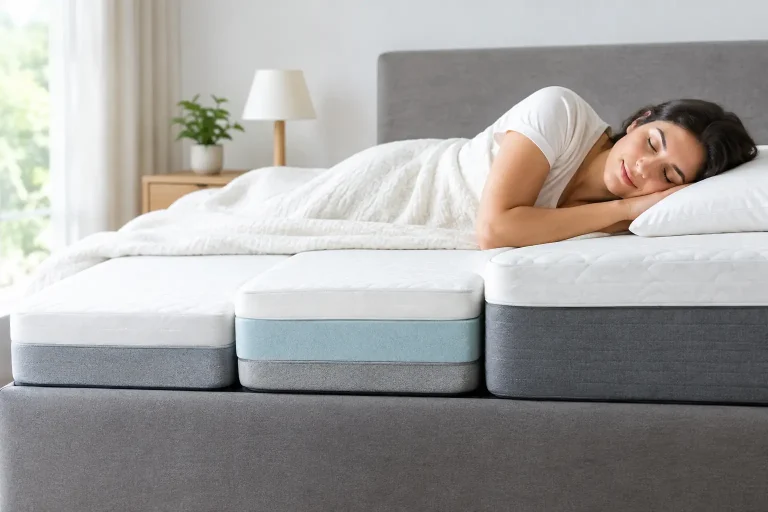
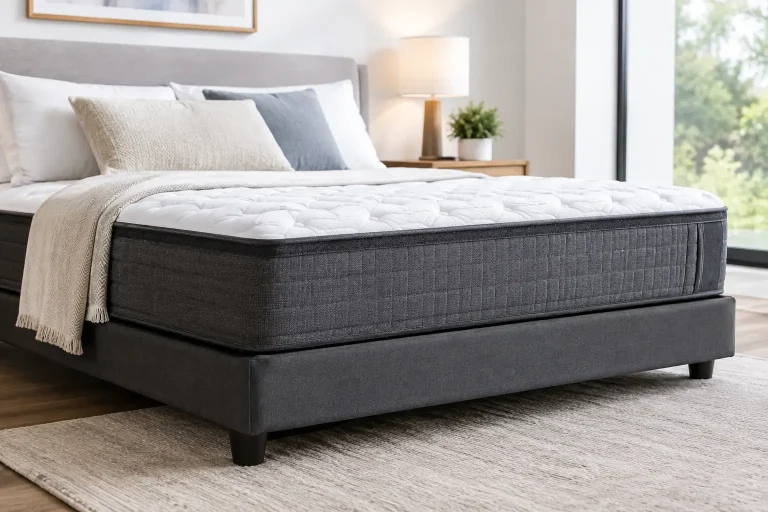
Hybrid mattresses tend to stand out when durability and sleep performance both matter. A well-built hybrid uses individually pocketed coils for stable support, then layers materials like latex and cooling gel foam for pressure relief and heat control. This matters because each layer is handling a clear job instead of asking one material to do everything. In practical terms, that often means better shape retention, more responsive support, and less partner disturbance over time.
What lifespan should you realistically expect?
A mattress does not have one universal expiration date. Body weight, sleep position, room conditions, foundation quality, and build quality all affect longevity. Still, there are reasonable ranges.
A basic budget mattress may feel spent in five to seven years, sometimes sooner if the comfort layers are thin or lower grade. Better quality foam or hybrid models often perform well for seven to ten years. Premium hybrid designs with durable latex, stronger coil systems, and quality-certified foams can stretch beyond that, especially when the mattress is properly supported and rotated as recommended.
This is where shoppers make a common mistake. They assume a longer warranty means a mattress will feel great for the entire warranty period. That is not always true. A warranty typically covers manufacturing defects or measurable sagging beyond a stated limit. It does not guarantee that the mattress will keep the same comfort feel year after year. The smarter move is to treat warranty as one trust signal, not the whole durability story.
The materials that usually last longer
If you want a mattress that stays supportive, cooler, and more stable, pay close attention to the top comfort layers and the core support system.
Latex is often a strong choice for longevity because it is resilient and less prone to the deep body impressions that can show up in lower-quality foam. It also responds quickly when you move, which helps the surface feel supportive rather than stuck. For people managing pressure points and stiffness, that resilience can make a real difference over time.
Cooling gel foams can improve comfort, but quality varies. The key is whether the foam keeps its structure while also helping with heat dissipation. A mattress that sleeps cool for a few months but softens too quickly is not really solving the full problem. Durability and temperature regulation need to work together.
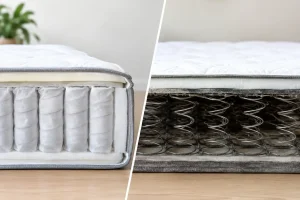
Pocketed coils are one of the clearest indicators of a mattress built for longer-term support. Because the coils respond individually, they can support the body more precisely and reduce motion transfer between partners. They also help with airflow, which is useful for hot sleepers. A structured coil system generally outperforms older connected spring units when it comes to both spinal support and sleep disturbance control.
Certifications can also help you separate better-made mattresses from vague marketing. Foams with CertiPUR-US certification and textiles with Oeko-Tex certification do not automatically guarantee a long lifespan, but they do give buyers more confidence in material standards and manufacturing quality.
How to spot a mattress that may wear out too soon
Some warning signs show up before you ever buy. If a mattress description stays vague about foam type, coil count or coil design, layer thickness, or overall construction, that is usually not a good sign. Brands that invest in better engineering tend to explain what is inside and why it matters.
Be cautious with mattresses that rely on a very plush first impression without explaining support underneath. Softness sells quickly, but unsupported softness can break down into sagging and alignment issues. For adults with back pain or couples sharing a bed, that trade-off often shows up fast.
Price also matters, but not in the way many people think. The cheapest mattress is often the most expensive over time if you replace it years earlier than expected. On the other hand, paying more only makes sense if the extra cost is tied to stronger materials, better support design, and useful sleep outcomes.
Match lifespan to your body and sleep habits
The best mattress lifespan buying guide does not just compare products in general. It compares them in relation to how you sleep.
If you are a side sleeper, you need enough pressure relief at the shoulders and hips without letting those areas sink too deeply over time. This is where resilient comfort layers matter. If you are a back sleeper, consistent lumbar support becomes even more important, because early softening under the hips can pull the spine out of alignment.
For stomach sleepers, durability in the support core is critical. A mattress that gets too soft too quickly can create lower back strain. For heavier sleepers, stronger coil support and denser comfort materials are usually worth prioritizing because they tend to hold shape better under greater load.
Couples should think about lifespan through the lens of motion isolation and edge support too. A mattress can still feel cushioned in the center while becoming unstable near the sides or more reactive to movement over time. Individually pocketed springs and layered hybrid builds generally hold up better here than simpler constructions.
When replacement is smarter than adding a topper
A topper can improve surface feel, but it does not fix a tired support core. If the mattress underneath has visible sagging, a hammock-like feel, worsening back pain, or obvious motion transfer that was not there before, a topper is usually a temporary patch.
This is especially true if your sleep problems are functional rather than cosmetic. If you wake up stiff, overheated, or more aware of your partner moving, the mattress is no longer performing at the level you need. In those cases, replacing it with a better-engineered model is often the more cost-effective decision.
What to prioritize before you buy
Start with support, then durability, then comfort feel. That order matters. A mattress should keep your spine in a healthier position first, maintain that support over years of use second, and deliver the comfort profile you enjoy third.
A strong hybrid design often checks those boxes well because it balances responsive support, pressure relief, airflow, and motion control. If the mattress also comes with a clear trial period, free shipping and returns, and a solid warranty, your buying risk drops significantly. That kind of setup gives you room to judge not just whether the mattress feels good on night one, but whether it is built like a long-term sleep solution.
Azure Mattress, for example, leans into this performance-first approach with hybrid construction, cooling-focused materials, and support systems designed around pain relief and reduced motion transfer. That kind of design logic is exactly what shoppers should be looking for when lifespan matters as much as comfort.
A mattress is not really a long-lasting purchase because of the number printed in the warranty. It earns that status by helping you wake up with less pain, fewer interruptions, and more consistent support year after year. Buy for that result, and the lifespan question gets much easier.