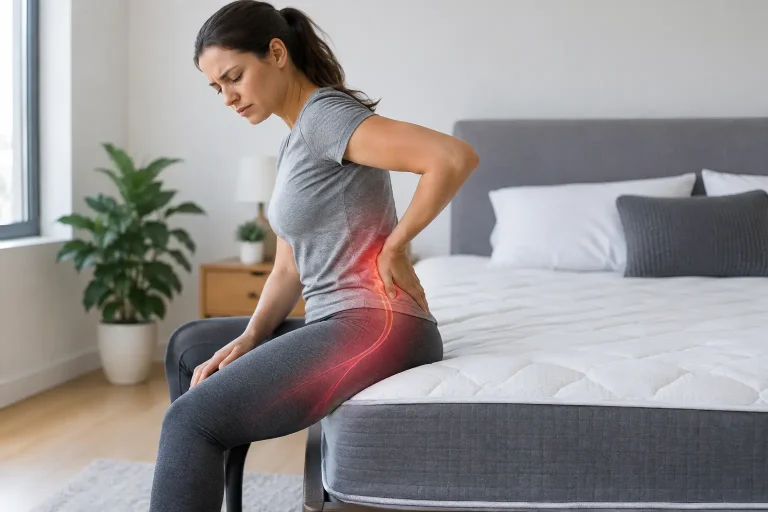
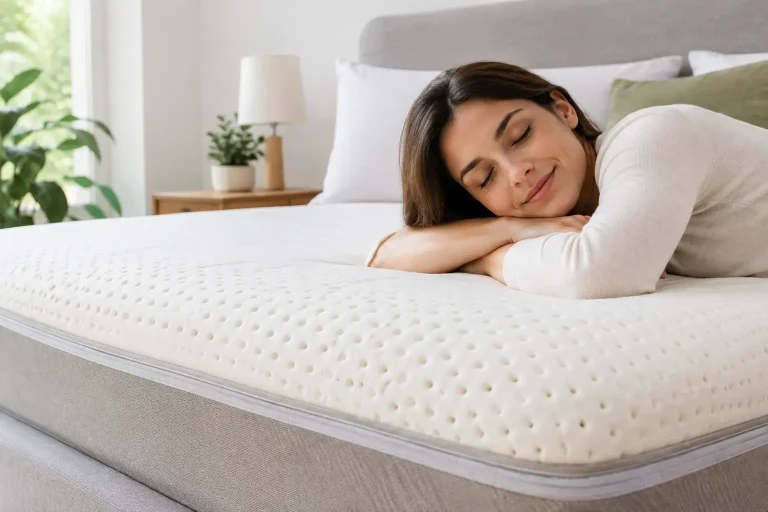
Waking up with the same lower back ache you went to bed with is usually a sign that your mattress is working against your body, not with it. For people dealing with chronic back pain, that matters more than softness, brand hype, or a flashy discount. The right mattress can help keep your spine aligned, reduce pressure around the hips and shoulders, and cut down on the nightly tossing that leaves muscles tense by morning.
The challenge is that there is no single mattress that fixes every kind of back pain. The best mattress for chronic back pain relief is the one that supports your body type, sleeping position, and pain pattern without creating new pressure points. That is why construction matters so much.
What actually helps chronic back pain at night
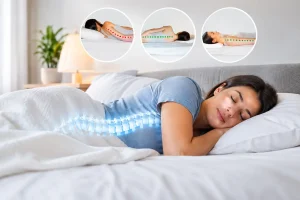
Back pain is often made worse by two mattress problems: not enough support and the wrong kind of cushioning. A mattress that is too soft can let the hips sink too far, pulling the spine out of a more neutral position. A mattress that is too firm can push back too aggressively at the shoulders, lower back, and hips, which creates pressure instead of relief.
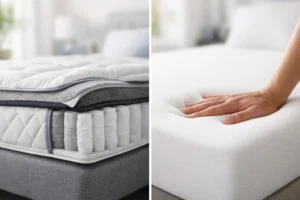
That middle ground is where most pain-focused mattresses perform best. You want enough pushback to hold the spine in a healthier line, but enough contouring to reduce strain on joints and muscles. This is why hybrid mattresses are often a stronger choice than basic all-foam or old-fashioned spring models for people with chronic pain. They combine pressure-relieving comfort layers with a structured support core, so you get cushioning without losing alignment.
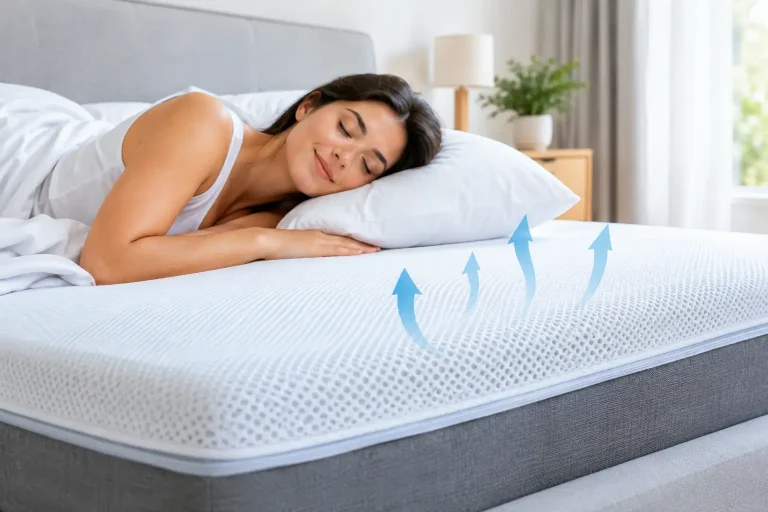
If you sleep hot, another issue enters the picture. Overheating causes more wake-ups, more position changes, and more restlessness. That constant movement can aggravate soreness. Cooling materials and better airflow do not directly treat back pain, but they often improve sleep quality enough to make recovery feel more consistent.
Best mattress for chronic back pain relief – what to look for
The first thing to assess is support structure. A mattress for chronic back pain should not feel hollow, bouncy, or unstable through the center. It should support the heavier parts of the body, especially the hips and lower back, so they do not collapse into the bed. Individually pocketed coils are especially effective here because they respond more precisely than connected spring systems. They also reduce motion transfer, which matters if a partner’s movement keeps waking you up.
The second priority is pressure relief. This is where latex and premium comfort foams tend to stand out. Latex has a responsive feel that cushions the body without trapping it, while quality foam layers can soften pressure at the shoulders and hips. For many adults with chronic stiffness, this combination feels balanced rather than overly plush.
The third factor is firmness, and this is where blanket advice usually falls apart. Many people are told to buy a firm mattress for back pain. Sometimes that works. Sometimes it makes pain worse. Most chronic back pain sleepers do better on a medium-firm to firm hybrid, but the best level depends on weight and sleep position.
Back sleepers usually need support under the lumbar area and enough surface comfort to avoid tension. Side sleepers usually need more give around the shoulders and hips so the spine can stay straighter from neck to tailbone. Stomach sleepers often need a firmer feel to prevent the midsection from sinking. If you move between positions, a responsive hybrid tends to be the safest choice because it adapts quickly without feeling stuck.
Why hybrid construction often performs better
For chronic back pain, mattress design is not just a comfort preference. It is a performance issue. A well-built hybrid mattress layers different materials so each one solves a specific sleep problem.
Pocket springs create foundational support and help distribute body weight more evenly. That can reduce the sagging sensation that often worsens lower back pain. Latex adds resilience and pressure relief, which helps the mattress feel supportive without becoming hard. Cooling gel foams can help regulate heat and reduce the clammy feel common in dense foam beds. When these layers are engineered correctly, the result is a mattress that supports the spine, cushions pressure points, and sleeps cooler through the night.
That combination is especially valuable for couples. If one person has chronic back pain, constant motion from the other sleeper can interrupt recovery. A structured coil system with strong motion isolation helps keep the mattress stable. Less disturbance means fewer half-awake adjustments, and fewer adjustments often mean less morning stiffness.
This is one reason many shoppers move away from entry-level innerspring beds when pain becomes a daily issue. Traditional spring mattresses can feel supportive at first, but they often lack the contouring and motion control needed for long-term comfort. On the other hand, some all-foam beds feel comfortable for a few minutes and then too warm or too soft over a full night. A hybrid usually gives a more dependable balance.
How to tell if your current mattress is making pain worse
If your back feels better after walking around for 20 to 30 minutes, your mattress may be part of the problem. The same goes if you notice visible sagging, if you are waking up often to reposition, or if your pain eases when you sleep somewhere else.
Age matters too. Even a mattress that once felt supportive can lose consistency over time. Comfort layers compress, support systems weaken, and body impressions start to form. Chronic pain tends to expose those changes sooner because your body is already sensitive to poor alignment.
There is also a difference between a mattress that feels soft and one that feels relieving. Softness can feel pleasant on first contact, but long-term pain relief depends more on support, even weight distribution, and reduced pressure buildup through the night.
The best mattress for chronic back pain relief depends on your sleep style
A back sleeper with lower back pain usually needs a mattress that supports the natural curve of the spine without creating a gap under the lumbar region. Medium-firm hybrids often do this well because they offer enough structure through the center while still cushioning the shoulders and hips.
A side sleeper with chronic pain usually needs more pressure relief. If the mattress is too firm, the shoulders and hips take too much force, and that can throw off spinal alignment. A medium to medium-firm hybrid with latex or contouring foam layers is often a better fit.
A stomach sleeper with back pain usually needs firmer support than they expect. When the hips sink, the lower back arches more, and pain can build quickly. A firmer hybrid with a stable coil system typically performs better here.
For combination sleepers, responsiveness is key. If a mattress is slow to adapt or too plush, movement becomes harder and the body twists more during transitions. That can be frustrating when pain is already limiting mobility.
Features that are worth paying for
Not every premium feature is necessary, but some are genuinely useful when pain relief is the goal. Zoned or reinforced support through the center third of the mattress can help with lumbar alignment. Latex comfort layers can add durable pressure relief without the sink-in feel of softer foams. Cooling covers and breathable internal layers can reduce overheating, which supports deeper, less interrupted sleep.
Certifications also matter more than they may seem. Materials such as Oeko-Tex and CertiPUR-US help reassure buyers that the foams and fabrics meet recognized standards. That does not automatically make a mattress better for back pain, but it does add confidence in the quality of the materials you are sleeping on every night.
A trial period, free returns, and a strong warranty are worth attention too. Chronic pain is personal. What works for one sleeper may not work for another, even if the mattress is well made. A brand that reduces purchase risk makes it easier to choose based on performance rather than guesswork.
A smarter way to shop for pain relief
If you are searching for the best mattress for chronic back pain relief, avoid buying based on firmness labels alone. Look at the full build. Ask what is providing support, what is relieving pressure, how heat is managed, and how motion is controlled. Those answers tell you more than the word plush or firm ever will.
For many adults, a premium hybrid with pocketed coils, latex or cooling comfort layers, and strong motion isolation checks the right boxes. It addresses the three issues that most often disrupt restorative sleep: poor spinal support, pressure buildup, and overheating. That is why brands built around performance sleep systems, including options from Azure Mattress, tend to appeal to pain-focused shoppers who want more than a basic bed in a box.
The right mattress will not replace medical care, physical therapy, or a proper diagnosis. But if your bed is adding strain every night, changing it can remove one of the biggest obstacles between your body and real recovery. Better sleep does not solve everything, but it gives your back a fairer chance to feel better tomorrow morning.