If you wake up with a tight lower back, feel your partner roll over at 2 a.m., or sleep hot enough to kick the blanket off by dawn, an azure mattress review should answer one thing fast – will this mattress solve a real problem, or just sound good on paper?
That is the right lens for evaluating a hybrid mattress like this. Not by showroom softness alone, and not by marketing language alone, but by how the build is meant to perform night after night. For shoppers who want pressure relief, spinal support, and less motion transfer without moving into ultra-luxury pricing, this mattress sits in a very practical part of the market.
Azure mattress review: who this mattress is really for
This mattress is built for people who want a noticeable upgrade from a basic spring bed. The strongest fit is adults dealing with back stiffness, side sleepers who need better pressure relief at the shoulders and hips, couples who are tired of being disturbed by movement, and hot sleepers who do not want to sink into a heat-trapping foam block.
That said, no mattress is universal. If you love an extremely plush, deep-hug memory foam feel, a hybrid with latex and pocketed coils may feel more buoyant and responsive than you want. If you prefer a very hard sleep surface, the comfort layers may feel more forgiving than expected. The appeal here is balance – cushioning on top, support underneath, and a sleep surface that is easier to move on.
What stands out in the construction
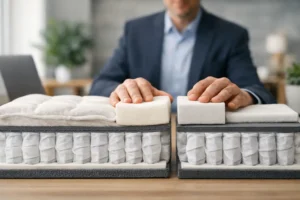
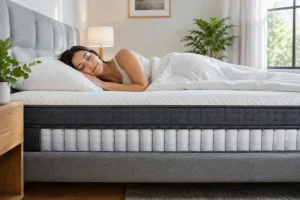
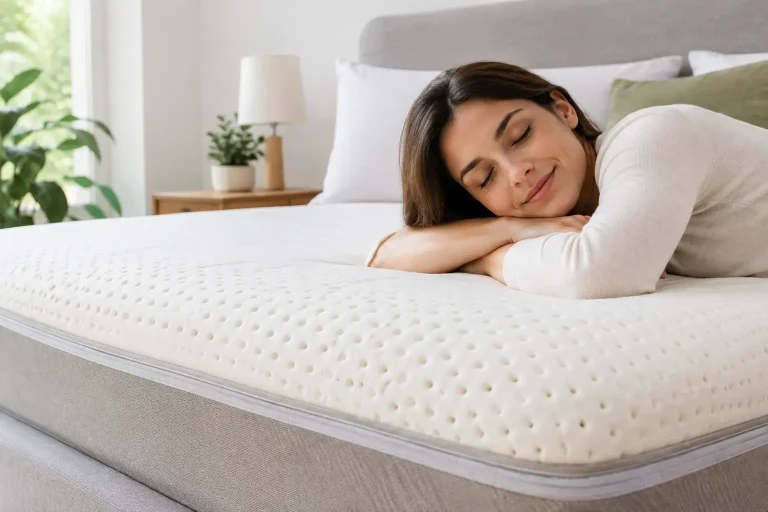
The design centers on a multi-layer hybrid build. That matters because each layer is solving a different sleep problem instead of asking one material to do everything. Latex is typically used for responsive pressure relief. Cooling gel foams are meant to help with heat buildup. Individually pocketed coils are there for alignment, edge support, and reduced motion transfer.
This kind of build usually performs better than entry-level all-foam mattresses for sleepers who complain about sagging, stuck-in-the-bed softness, or weak support through the midsection. The coil system gives the mattress structure, while the comfort layers soften impact at pressure points. For many adults, especially combination sleepers, that balance feels more stable and easier on the body over time.
There is also a meaningful credibility layer in the material story. Certifications like Oeko-Tex and CertiPUR-US matter because they signal a more controlled standard around foam content and textile safety. They do not guarantee that a mattress will feel perfect for you, but they do help reduce the guesswork around what is inside the bed.
Support and spinal alignment
This is where the mattress makes its strongest case. A well-executed hybrid can do a better job of keeping the spine from dipping out of position than a soft traditional spring bed or a low-density foam mattress. Pocketed coils respond more independently across the surface, which helps the mattress adapt to different body zones instead of pushing back in one flat, rigid way.
For back and stomach sleepers, this can translate to better support through the hips and lower back. For side sleepers, the comfort layers need to do enough work so the shoulders and hips can settle in without creating pressure buildup. That mix is what many people mean when they say a mattress feels supportive without feeling hard.
The trade-off is body type. Heavier sleepers often need stronger coil support and may experience the mattress as softer than average over time. Lighter sleepers may feel more lift and less sink. So while the support story is compelling, the best predictor is whether your body needs balanced support or either extreme.
Pressure relief and pain reduction
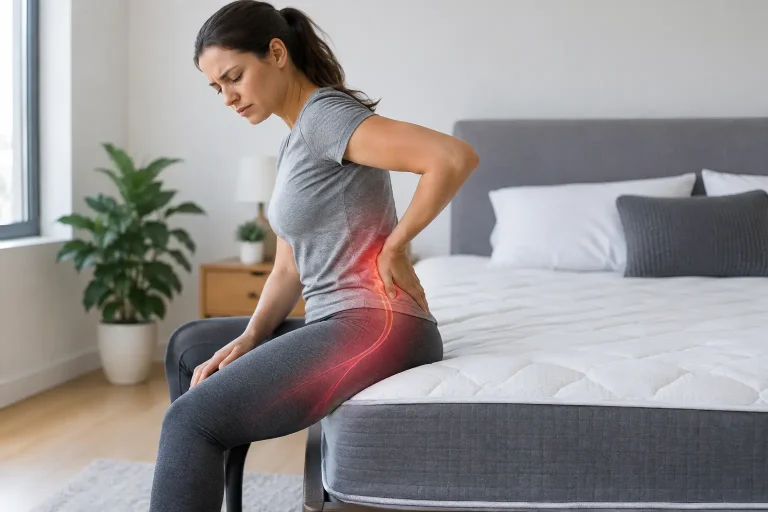
For shoppers dealing with aches, pressure relief is not a luxury feature. It is the difference between sleeping through the night and shifting positions every hour. Latex and cushioning foams generally help spread weight more evenly across the mattress surface, reducing sharp pressure at common trouble spots.
That can be especially useful if you wake up with sore shoulders, hip discomfort, or stiffness that eases only after you get moving. The key advantage of a hybrid over a simple innerspring is that the comfort system is doing more of the workload before your body meets the coils.
Still, pain reduction is rarely just about softness. Too much sink can twist the spine out of alignment. Too much firmness can create pressure points. The better outcome usually comes from moderation, and this mattress appears designed around that middle ground rather than an exaggerated feel.
Cooling and temperature control
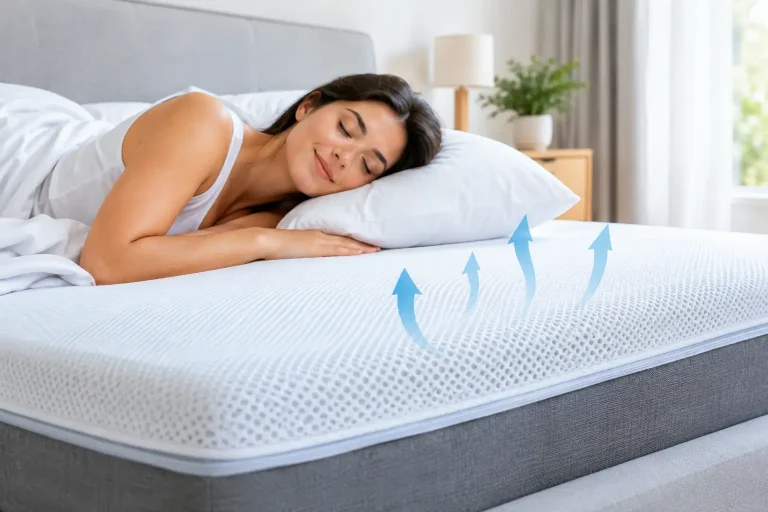
A lot of cooling claims in the mattress world are overstated. A mattress cannot turn a hot room cold. What it can do is retain less heat and allow more airflow around your body. That is where hybrids tend to have an advantage over dense all-foam models, because coils naturally create more space for air movement.
In this azure mattress review, the cooling story is believable because it is tied to construction choices that make sense: airflow through the spring layer, cooling gel foam, and a less smothering surface feel than slow-response memory foam. If you are a mild to moderate hot sleeper, that may be enough to feel a real difference.
If you sleep extremely hot, though, your sheets, protector, room temperature, and bedding will still matter a lot. A breathable mattress helps, but it cannot fully offset heat-retaining sleep accessories or a warm bedroom.
Motion isolation for couples
One of the most practical reasons to buy a hybrid with individually pocketed coils is lower partner disturbance. A connected spring unit tends to transfer movement across the bed. Pocketed coils are better at localizing that movement so one sleeper changing position does not send a wave across the whole surface.
That does not mean zero motion in the literal sense. Most hybrids still have more bounce than all-foam beds. But compared with old-school innersprings, the difference is often significant. If you are a light sleeper sharing a bed with someone who gets up early, shifts often, or has a very different sleep schedule, this feature matters more than luxury finishes or branding language.
The added benefit is easier movement. Some all-foam mattresses isolate motion well but make you feel stuck. A responsive hybrid can reduce disturbance while still being easy to reposition on.
Value, convenience, and buying risk
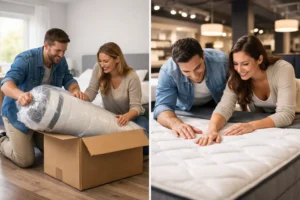
The value proposition is clear. You are not just paying for a mattress surface feel. You are buying a feature set aimed at three common sleep complaints: pain, overheating, and partner movement. When a brand pairs that with free shipping and returns, financing options, and a long warranty, it lowers the friction that makes online mattress shopping stressful.
That convenience matters because mattress buying has changed. People want to compare specs, pricing, policies, and expected outcomes without spending a weekend in stores. A direct-to-consumer model works best when the construction is explained in a way that connects materials to real use. Azure Mattress does that well by focusing on support, cooling, and motion control instead of vague comfort promises.
Promotional pricing is also part of the appeal, though shoppers should stay grounded. A discount is only a good deal if the mattress matches your sleep needs. The smarter question is not how much the list price dropped. It is whether the build quality and sleep performance justify the final price you actually pay.
Where this mattress may fall short
The strengths are clear, but there are still reasons it may not be your best fit. If you want a dramatic memory foam cradle, this mattress may feel too responsive. If you are shopping for the absolute coolest sleep surface possible, you may need to pair any mattress with better climate control in the room. And if you are highly sensitive to firmness, buying online always carries some subjectivity because feel is personal.
There is also the reality that orthopedic-supportive design is helpful, but it is not a medical treatment. A mattress can improve alignment and reduce nightly strain. It cannot correct every cause of chronic pain. That distinction matters, especially for buyers hoping a new bed will solve every discomfort overnight.
Final verdict
This mattress makes the most sense for shoppers who want practical sleep performance, not fluff. The hybrid build is aimed at the right problems, the material choices are easy to justify, and the convenience policies reduce buying hesitation. For couples, hot sleepers, and adults dealing with stiffness or back discomfort, it looks like a strong contender in the category.
The best mattress is the one that keeps your spine supported, your pressure points calmer, and your sleep less interrupted. If those are the outcomes you care about most, this is the kind of mattress worth taking seriously.