Buying a mattress online can feel like a leap – especially if you wake up with back pain, stiffness, or shoulder pressure and need real relief, not marketing language. That is exactly why a guide to mattress trial periods matters. A sleep trial is not just a nice extra. It is your window to test whether a mattress actually supports your spine, eases pressure points, limits motion transfer, and helps you sleep cooler in real life.
A showroom test tells you almost nothing. Five minutes on a mattress under bright retail lights cannot reveal how your lower back feels at 3 a.m., whether your hips stay aligned, or if your partner’s movement wakes you up. Trial periods exist because sleep performance shows up over time, and good mattress brands know that.
What a mattress trial period really means
A mattress trial period is a set number of nights during which you can sleep on the mattress at home and decide if it is right for you. The key phrase there is at home. Your body needs time to adjust to a new sleep surface, especially if you are moving from an old spring mattress that has already sagged around your pressure points.
This adjustment period is often misunderstood. If your old mattress was too soft, too firm, or uneven, your body may have been compensating for months or years. When you switch to a better-engineered mattress with stronger lumbar support, pressure relief layers, and better weight distribution, your muscles and joints may need time to settle into healthier alignment. That does not mean the mattress is wrong. It means your body is recalibrating.
That is why many brands set a minimum trial window before they allow a return. In most cases, that range falls between 21 and 30 nights. It is meant to give your body a fair chance to adapt before you make a final call.
Guide to mattress trial periods: what to check before you buy
Not all sleep trials offer the same level of protection. A headline that says 100-night trial sounds reassuring, but the fine print is where the real value sits.
First, check when the trial starts. Some brands begin counting from the delivery date, while others count from the date your mattress ships. That difference matters if shipping is delayed or if you are not home to unbox it right away.
Next, look at the minimum-use requirement. If a brand requires you to keep the mattress for at least 30 nights before requesting a return, that is not automatically a red flag. In many cases, it is reasonable. What matters is whether the brand explains the purpose clearly and keeps the process fair.
Then review the return terms. Is return shipping free? Are there pickup charges, restocking fees, or hidden deductions? A truly low-risk trial should make the return process straightforward. If you have to pay a large fee to send it back, the trial is less generous than it appears.
You should also confirm the mattress condition requirements. Some companies only accept returns if the mattress is clean and undamaged. That is standard. But if the policy is overly strict, such as rejecting normal use marks or minor packaging issues, it can create unnecessary friction.
Finally, pay attention to geographic limits. Free returns may apply only in certain states or exclude remote locations. For a bulky product like a mattress, logistics shape the real customer experience.
The trial period is really a performance test
The best way to use a sleep trial is to treat it like a structured test, not a vague impression. Ask yourself the same questions over several weeks.
Do you wake up with less back tension than before? Are your shoulders and hips feeling less compressed? If you sleep with a partner, are you noticing less disturbance when they turn or get out of bed? If you usually overheat, are you waking up dry and comfortable or kicking off the covers at night?
These are the results that matter. Mattress shopping gets confusing when brands focus too heavily on feel words like plush, medium, or cloud-like. Comfort matters, but comfort without support can still leave you sore. A proper trial helps you judge both.
For side sleepers, pressure relief across the shoulders and hips usually becomes obvious within the first couple of weeks. For back sleepers, the bigger question is whether the mattress keeps the spine in a neutral position instead of letting the hips sink too far. For couples, motion isolation is one of the clearest trial-period indicators because it shows up quickly in shared sleep quality.
Why some mattresses need more time than others
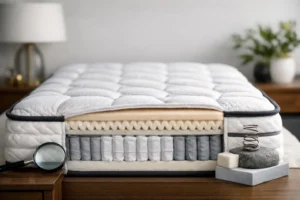
Material construction affects how fast a mattress settles and how your body responds. A basic all-foam mattress may feel very different from a hybrid with responsive foam, latex, and individually pocketed coils. Hybrids often have a more balanced feel from the start because the spring system adds stability, airflow, and pushback under heavier areas of the body.
That said, even a well-built hybrid can feel unfamiliar in the first week if your old mattress had deep body impressions. People sometimes mistake proper support for excessive firmness because they are no longer sinking into worn-out spots. This is especially common among sleepers dealing with chronic back strain or morning stiffness.
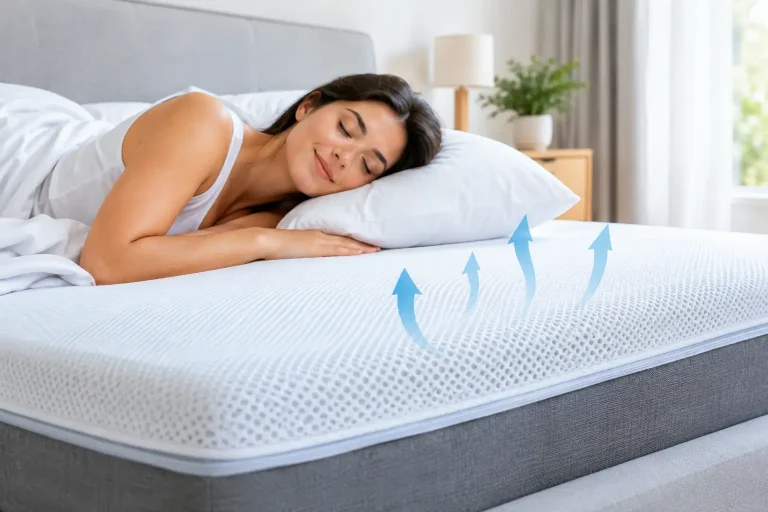
Temperature is another factor. Cooling materials, breathable covers, open-cell foams, and coil-based airflow can improve heat control, but your bedding setup still matters. If you are testing a mattress trial while using a heat-trapping protector or heavy synthetic sheets, your results may not reflect the mattress alone.
Red flags in mattress trial periods
A short trial period is not always bad, and a long one is not always better. What matters is whether the policy is honest, usable, and aligned with how people actually sleep.
Be cautious if the return policy is hard to find, written vaguely, or full of exceptions. You should not need to decode legal language just to understand whether a return is possible. Another warning sign is a trial that sounds free but includes processing fees, mandatory donation hurdles, or narrow pickup conditions that make returns frustrating.
Also watch for exaggerated promises. No mattress can guarantee perfect sleep for every body type, sleeping position, and pain profile. A trustworthy brand explains what its construction is designed to do – such as improve spinal alignment, reduce motion transfer, or support cooler sleep – without pretending one mattress solves every issue instantly.
How to use your trial period well
A mattress trial works best when you give it a fair setup. Use the correct foundation or bed frame recommended by the brand. If support underneath is poor, even a quality mattress can perform badly. Keep your room setup consistent for the first few weeks so you are testing the mattress, not changing five sleep variables at once.
It also helps to track a few simple notes. You do not need a spreadsheet. Just pay attention to whether pain improves, stays the same, or gets worse. Notice how often you wake up during the night and whether movement beside you is still disruptive. These details make your decision more grounded than a general sense of liking or disliking the bed.
If the mattress still feels off after the adjustment window, contact customer support before the trial ends. Good brands will often help troubleshoot. Sometimes the issue is firmness preference, body weight match, or bedding compatibility rather than a total mattress failure.
Who benefits most from a generous sleep trial
Anyone can benefit from a trial period, but it matters even more for buyers with specific sleep concerns. If you have lower back pain, hip pressure, shoulder discomfort, or joint stiffness, your mattress needs to do more than feel comfortable for one night. It needs to perform consistently.
Couples also gain more from longer trial windows because motion isolation and shared comfort are hard to judge quickly. The same goes for hot sleepers. Heat retention may not show up on the first night, especially if room temperatures vary, but over several weeks patterns become clear.
For online-first brands like Azure Mattress, the trial period is part of the value proposition. It reduces purchase anxiety and gives you a more realistic way to evaluate features like orthopedic support, cooling design, and motion control where they matter most – in your own bedroom, over real nights of sleep.
The smartest way to read a sleep trial offer
Do not ask only, “How many nights do I get?” Ask, “How easy is it to make a fair decision?” The strongest mattress trial periods combine enough time to adapt, transparent terms, free or simple returns, and product design that targets measurable outcomes like spinal support, pressure relief, and cooler sleep.
When a brand gives you that combination, you are not just buying a mattress. You are buying room to test whether better sleep actually shows up in your body. And that is the kind of reassurance worth paying attention to before you commit.