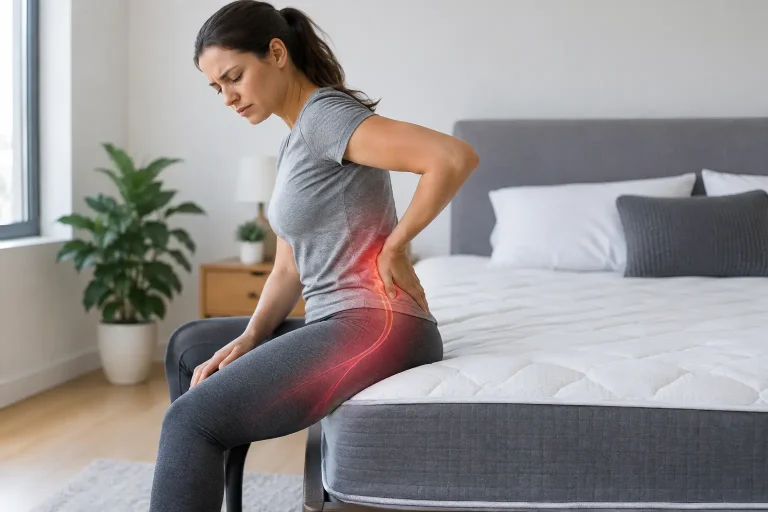
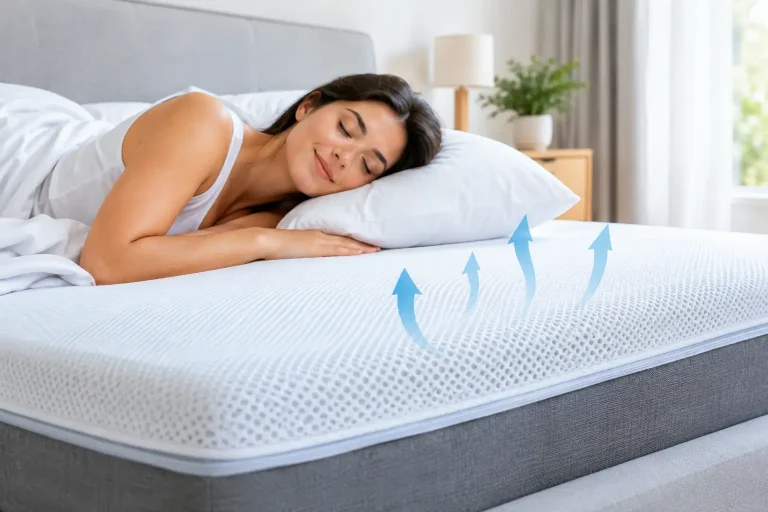
If you wake up hot at 2 a.m., shove the blanket off, and still feel your lower back complaining by morning, the problem usually is not just “sleeping warm.” It is often a mattress construction issue. A cooling hybrid mattress is designed to solve more than one problem at once – overheating, pressure buildup, and the unstable feel that can throw your spine out of alignment.
That matters because many sleepers are not choosing between comfort and support anymore. They want both, and they want proof. If your current bed traps heat, transfers every toss from your partner, or leaves you stiff when you stand up, the right hybrid build can make a measurable difference in how rested your body feels.
What makes a cooling hybrid mattress different?
A hybrid mattress combines foam or latex comfort layers with a pocketed coil support core. The cooling part comes from materials and airflow design, not from marketing language alone. When those elements are engineered correctly, you get a mattress that cushions pressure points while allowing excess body heat to dissipate instead of collecting around your torso and hips.
This is where hybrids have a real advantage over many all-foam beds. Dense foam can contour well, but it can also hold heat, especially for hot sleepers or couples. Coils create open space inside the mattress, which improves air circulation. Add breathable covers, latex, or cooling gel foam on top, and the surface can feel noticeably more temperature-neutral.
That said, not every hybrid is automatically cool. A thick stack of heat-retaining foams over coils can still sleep warm. The result depends on the full build, not the label.
Why heat control alone is not enough
A lot of shoppers start by looking for a cooler sleep surface, but temperature is only one part of sleep recovery. If your mattress feels cooler yet leaves your shoulders jammed or your lower back unsupported, you are still going to wake up tired.
That is why the best cooling hybrid mattress designs focus on three outcomes at the same time – pressure relief, spinal support, and heat reduction. This is especially important for adults dealing with back pain, stiffness, or joint discomfort. A mattress that keeps air moving but lets your hips sink too far can create a different problem by pulling the spine out of neutral alignment.
For couples, there is another layer. Motion isolation matters. Traditional innerspring mattresses often feel bouncy and responsive, but they can also send movement across the surface. Individually pocketed coils help reduce that transfer, so one partner can turn over without disturbing the other. In practical terms, that means fewer wake-ups and more continuous sleep.
The materials that actually help you sleep cooler
Cooling performance comes down to material behavior. Some components genuinely improve airflow and thermal balance. Others sound impressive but make only a minor difference.
Pocketed coils
This is one of the strongest cooling features in a hybrid mattress. Pocket springs create internal space for airflow, unlike solid foam cores that can trap heat. They also provide targeted support, which helps keep your spine better aligned and prevents that sagging, stuck feeling that can make warm sleepers feel even hotter.
Latex
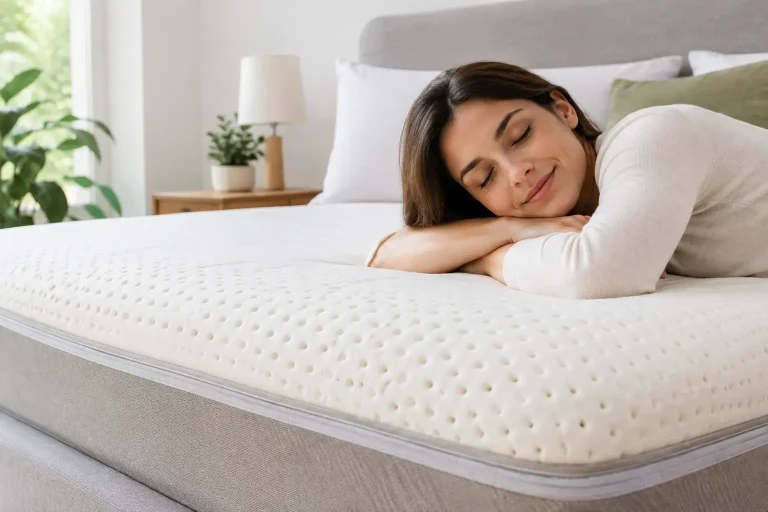
Latex is naturally more breathable and responsive than many memory foams. It compresses without letting you sink too deeply, so more of your body stays lifted and ventilated. For sleepers who want pressure relief without the slow, hugging feel of traditional memory foam, latex is often a better fit.
Cooling gel foam
Cooling gel foam can help, but it depends on how it is used. A well-designed gel foam layer may pull heat away from the body temporarily and improve comfort near the surface. Still, gel by itself is not a magic fix. If the surrounding foams are dense and the mattress lacks airflow, that initial cool touch may not last through the night.
Breathable covers and fabric choices
The cover is your first point of contact with the mattress, so it affects how cool the bed feels at the start of the night. Breathable knit fabrics and moisture-managing materials can reduce that sticky surface feel. They do not replace proper internal construction, but they do improve the overall sleep experience.
How to tell if a cooling hybrid mattress will help your back
Support is not just about firmness. It is about how the mattress responds to your shape, weight, and sleep position. A mattress can feel soft on top and still support the spine well if the comfort layers and coil system are balanced correctly.
Back and stomach sleepers usually need stronger lumbar support to keep the hips from dropping too low. Side sleepers often need more pressure relief around the shoulders and hips, but not so much softness that the torso sinks unevenly. Combination sleepers need a mattress that can adapt quickly without trapping them in place.
This is where hybrid engineering matters. A structured coil base can provide pushback and alignment support, while upper comfort layers absorb pressure at the joints. If you deal with morning aches, stiffness after sitting at a desk all day, or recurring lower back tension, that balanced feel is often more beneficial than an ultra-plush foam mattress or a hard traditional spring bed.
What hot sleepers and couples should watch for
If you sleep with a partner, your mattress handles more heat and more movement every night. Two bodies naturally generate more warmth, and if one person moves often, poor motion control can turn small shifts into constant interruptions.
A cooling hybrid mattress should address both issues together. Look for individually pocketed coils rather than interconnected springs, because they reduce motion spread across the surface. Also pay attention to how thick the foam layers are. A mattress with too much soft foam on top can mute support and trap more body heat, even if the coil core underneath is breathable.
Edge support also matters more than people think. Couples tend to use the full width of the bed. If the perimeter collapses, you can end up crowding the center, which increases heat concentration and reduces comfort. A stronger edge creates a more stable, usable sleep surface.
The trade-offs nobody should ignore
There is no perfect mattress for every sleeper. Cooling hybrids solve a lot of problems, but the right model still depends on what your body needs most.
A firmer hybrid usually offers better spinal support and easier movement, but it may feel less pressure-relieving for lightweight side sleepers. A softer one can feel more cushioned at the shoulders and hips, but if it is too plush, heavier sleepers may lose alignment and sleep warmer from deeper sink.
Latex hybrids often feel cooler and more responsive, but some people prefer the slower contour of foam. Thicker mattresses can look more premium and deliver stronger layering benefits, but only if those layers are doing useful work. Extra height alone does not guarantee better sleep.
Price is another factor. A well-built hybrid typically costs more than a basic spring mattress because the materials and construction are more advanced. But for many shoppers, the upgrade is not about luxury. It is about fewer pain-driven wake-ups, less partner disturbance, and a cooler, more stable sleep environment that lasts longer.
When a cooling hybrid mattress is worth it
If your current mattress sleeps hot, sags under your hips, or makes you feel every movement from the other side of the bed, a hybrid is often a smart next step. It is especially worth considering if you want a mattress that supports your spine without feeling stiff and helps control heat without relying on gimmicks.
For buyers who want a performance-focused sleep upgrade, the strongest options combine breathable comfort layers, a quality pocketed spring system, and materials with recognized safety standards such as Oeko-Tex and CertiPUR-US. Those details matter because they reflect build quality, not just surface claims.
At Azure Mattress, that sleep-engineering approach is the point – combining cooling design, orthopedic-style support, and motion isolation in one system so your mattress works for recovery, not against it.
A better night of sleep should feel calmer, cooler, and more supportive from the moment you lie down to the moment you get up. If your mattress is failing on any of those fronts, replacing it is not just a comfort choice. It is a practical step toward waking up with less strain and more energy.