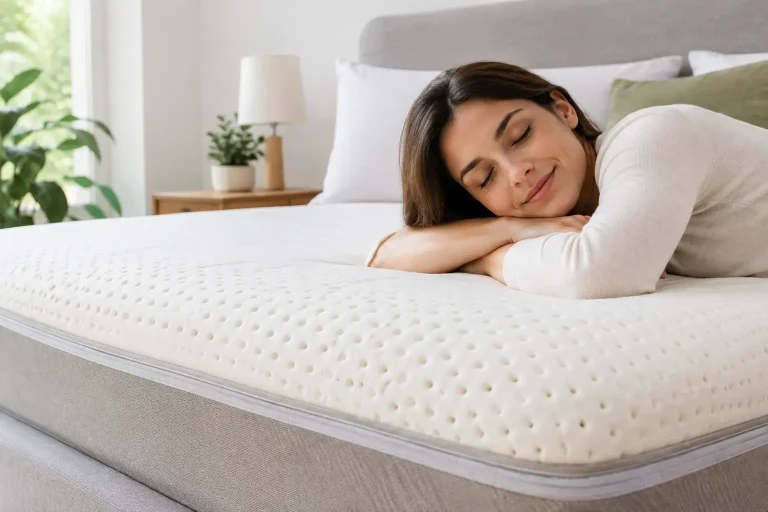
If you wake up with a sore lower back, numb shoulders, or that sinking feeling like the bed gave up before you did, the problem is often support, not just comfort. Choosing the right mattress for heavy sleepers hybrid support can change how your spine rests, how your joints recover, and how well your body stays cool through the night.
For heavier body types, the stakes are higher. A mattress that feels fine in a showroom can soften too quickly, let the hips drop too deep, or trap heat after a few hours. That is why hybrid construction stands out. When it is designed correctly, it brings together pressure relief from comfort layers and the deep pushback of a structured coil system, which is exactly what many heavier sleepers need for stable, restorative rest.
Why hybrid support matters for heavier sleepers
A heavier sleeper places more force on the mattress surface and core. That does not mean the bed has to feel hard. It means the mattress needs to resist sagging while still cushioning pressure points. Pure foam beds can feel plush at first, but for many people they compress too deeply and lose alignment, especially around the hips and midsection. Traditional spring beds often feel firmer, yet they may create pressure buildup and poor motion control.
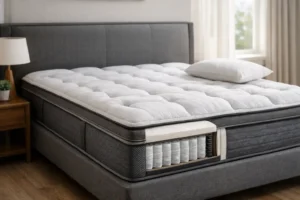
A hybrid sits in the middle, and that balance is the advantage. The comfort layers absorb pressure at the shoulders, hips, and knees, while the pocketed coil system provides lift and structure underneath. Instead of one flat feel across the whole bed, a better hybrid responds in layers. You get contouring where the body needs relief and stronger support where the body needs alignment.
That layered response matters most if you deal with back pain, stiffness, or joint discomfort. When the spine stays in a more neutral position, muscles do less overnight compensation. You wake up feeling less twisted, less compressed, and less fatigued.
What to look for in a mattress for heavy sleepers hybrid support
Not every hybrid is built to handle higher loads well. The label alone is not enough. Construction details tell the real story.
A coil system that does more than add bounce
The support core should be made from individually pocketed coils, not a basic connected spring unit. Pocketed coils move more independently, which helps with alignment and reduces motion transfer. That matters if one partner turns, gets up early, or shifts position often.
For heavier sleepers, coil structure is part of long-term durability. A stronger spring system helps prevent deep body impressions and keeps the mattress from feeling flat too soon. It also improves edge support, which is useful if you sit on the side of the bed often or tend to sleep near the perimeter.
Comfort layers that relieve pressure without collapse
Softness is not the goal by itself. The right comfort material should cushion the body without letting it sink too far. Latex is especially effective here because it has a more buoyant response than many standard foams. It compresses under pressure, then pushes back quickly, helping maintain easier movement and more consistent support.
Cooling gel foams can also help, especially when paired with breathable construction. They add contouring and reduce surface pressure, but they need a solid support system underneath. Foam without structure can feel comfortable for an hour and unsupportive by morning.
Firmness that matches body weight and sleep position
Heavier sleepers usually do better on a medium-firm to firm feel, but there is no single answer for everyone. Side sleepers often need a little more surface cushioning to avoid pressure at the shoulder and hip. Back and stomach sleepers usually need stronger pushback to keep the pelvis from dipping too low.
This is where hybrid design earns its place. It can feel pressure-relieving on top and supportive underneath, instead of forcing you to choose between a bed that feels too hard or one that feels too soft.
The biggest mistakes people make
One common mistake is shopping for plushness first. A mattress can feel luxurious in the first five minutes and still be the wrong fit for a heavier body. Excess sink often feels cozy at first because pressure is reduced, but too much sink can bend the spine out of alignment and increase next-day pain.
Another mistake is ignoring heat retention. Heavier sleepers often sleep warmer because there is more body contact with the mattress surface. Dense all-foam beds can hold that heat close to the body. A hybrid with airflow through the coil system, breathable covers, latex, and cooling foams can make a visible difference in sleep comfort.
The third mistake is underestimating motion transfer. If you share the bed, support is only part of the equation. A mattress should absorb movement well enough that one person can change positions without disturbing the other. Individually pocketed coils and responsive comfort layers usually outperform old-style innersprings here.
Hybrid support and pain relief go together
When people talk about pain relief, they often focus only on softness. That misses the point. Pain relief usually comes from pressure relief plus alignment, not one without the other.
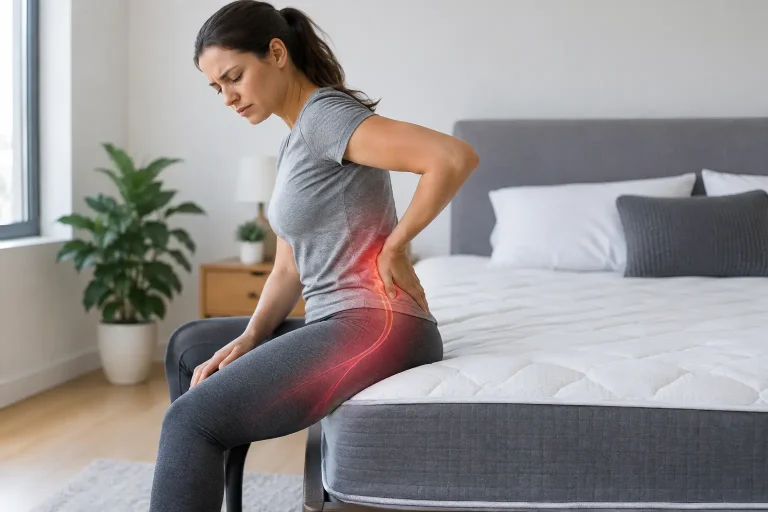
If the shoulders and hips are pressed too hard into the surface, circulation and joint comfort can suffer. If the hips sink too deeply, the lower back takes the hit. Good hybrid support solves both problems at once. The upper layers distribute weight more evenly, while the support core keeps the body level enough to reduce strain on the spine.
That is especially valuable for adults managing recurring lower back pain, morning stiffness, or recovery after long workdays. The right mattress is not a medical treatment, but it can remove one of the most common causes of overnight discomfort – poor support.
Cooling is not a luxury feature
For heavier sleepers, overheating can undo the benefits of a supportive bed. Once body temperature rises, sleep gets lighter and more fragmented. You may toss more, wake more often, and feel less restored in the morning.
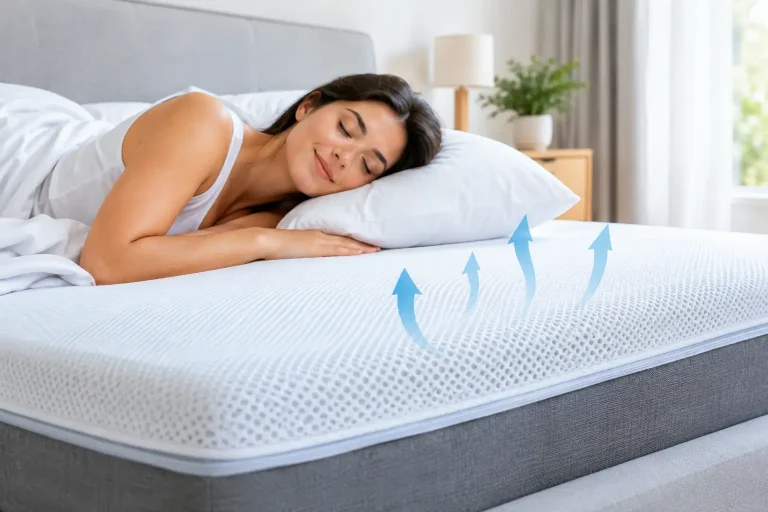
Hybrid mattresses have a built-in advantage because coils create open space for airflow. Add breathable materials like latex and cooling gel foams, and the mattress is better equipped to release heat instead of trapping it. This matters even more for couples, where combined body heat can build quickly.
A cooler mattress does not just feel nicer. It supports deeper, more stable sleep, which is when the body does its best recovery work.
Durability is part of support
A mattress can feel supportive on day one and fail the durability test six months later. Heavier sleepers should pay close attention to how the mattress is engineered, what materials are used, and whether the brand is clear about long-term performance.
Premium foams, resilient latex, and structured pocket springs generally hold up better than low-density comfort layers on weak support cores. Certifications such as Oeko-Tex and CertiPUR-US also help signal material standards, though they do not replace good design.
This is one reason many buyers move away from entry-level spring beds and toward better-built hybrids. The goal is not just immediate comfort. It is support that remains consistent over time.
Who should choose a hybrid mattress
If you are a heavier side sleeper, a hybrid can give you enough pressure relief without the deep sink that strains the lower back. If you sleep on your back, the coil support helps maintain a more neutral posture through the pelvis and lumbar area. If you sleep with a partner, pocket springs and layered foam can cut down on motion disturbance while keeping both sleepers supported.
A hybrid also makes sense if you have outgrown a basic mattress that now feels too soft, too hot, or too unstable. The best results usually come from matching the mattress to how your body actually sleeps, not how the marketing sounds.
For shoppers who want a more engineered sleep solution, this is where a brand like Azure Mattress fits naturally. Its hybrid designs focus on the three issues that matter most here – spine and joint support, temperature regulation, and reduced partner disturbance – rather than generic comfort claims.
How to judge the right feel before you buy
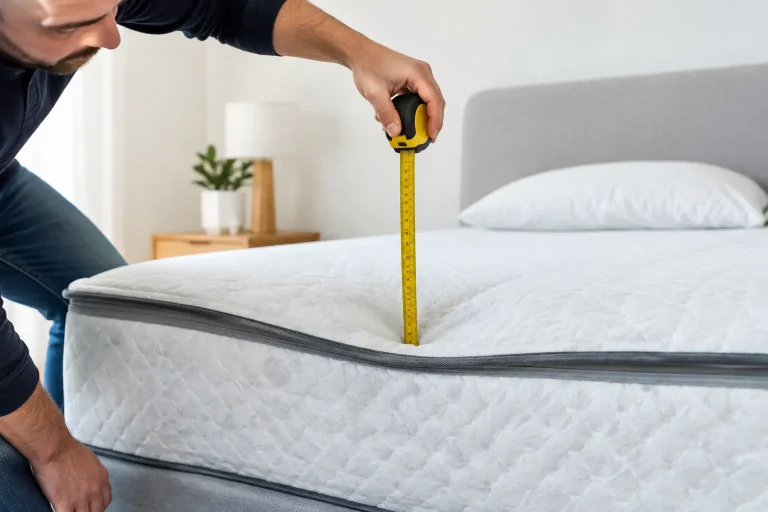
Look beyond the top comfort description. Ask how thick the mattress is, what the comfort layers are made from, and whether the springs are individually pocketed. Check whether the brand explains support in terms of spinal alignment, motion isolation, and heat control. Those details usually tell you more than words like plush or luxury.
It also helps to choose a company that reduces purchase risk. Free shipping, returns, warranty coverage, and installment options matter because mattress comfort is personal. Even the right design still depends on your sleep position, pain points, and preferences.
The right hybrid mattress should feel supportive from the first night, but more importantly, it should still feel supportive after your body fully settles into it. That is the difference between a mattress that feels good in theory and one that genuinely improves sleep.
When you are shopping for a mattress, do not settle for softness dressed up as support. Heavy sleepers need a bed that can absorb pressure, hold alignment, stay cooler, and keep performing night after night. When a hybrid is built with that job in mind, sleep stops feeling like something you manage and starts feeling like real recovery.