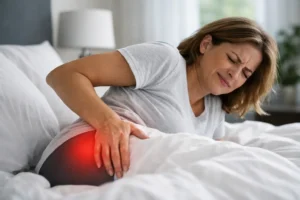
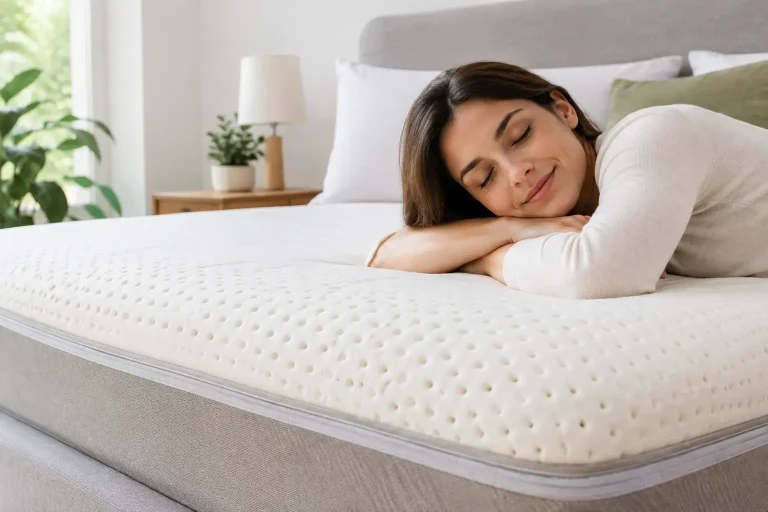
If you wake up sweaty and stiff, it is rarely “just the weather.” Most of the time it is your mattress trapping heat while failing to keep your spine steady through the night. That combination creates a specific kind of morning: hot shoulders, a tight lower back, and the sense that you were tossing and turning even if you do not remember it.
A cooling hybrid mattress with pocket springs is built to break that pattern. It aims for three outcomes at once: cooler airflow, stronger support, and less motion transfer when your partner moves. The catch is that not every “hybrid” actually delivers all three. Here is how to tell the difference, what to prioritize for your body, and where the trade-offs show up.
What “cooling hybrid with pocket springs” really means
A true hybrid combines a responsive coil system with comfort layers that manage pressure. Pocket springs matter because they are individually wrapped. Instead of one connected spring unit moving as a single sheet, each coil compresses more independently under your hips, shoulders, and knees.
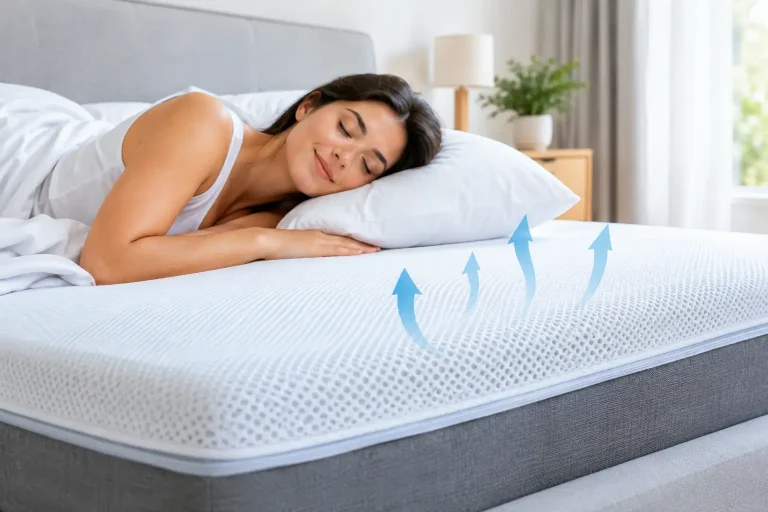
The cooling part is not a single magic fabric. It is an airflow strategy. Coils create open space inside the mattress, which helps heat escape compared to solid foam blocks. Then the comfort layers and cover either help that airflow or cancel it out by trapping warmth.
When this design is done well, it can feel like you get the “lift” and stability of a modern spring mattress with the contouring of foam or latex, without the sweaty sink-in feeling that frustrates so many hot sleepers.
Why pocket springs are a big deal for back pain and alignment
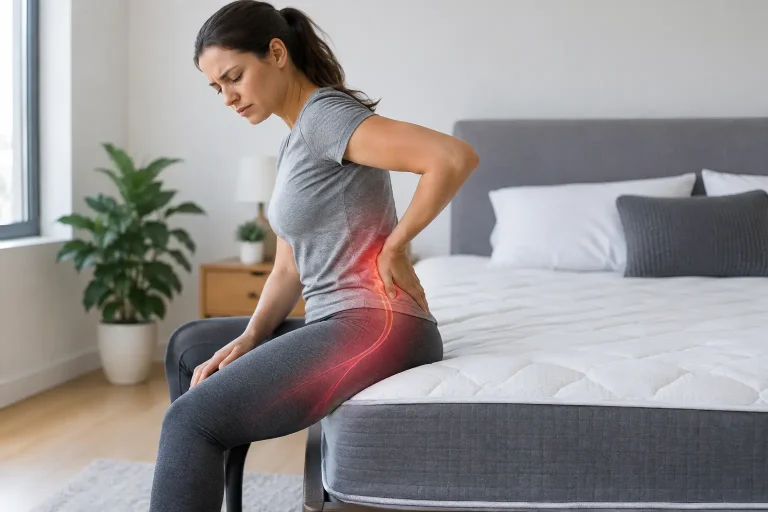
Back pain is often less about “soft vs firm” and more about whether your spine stays neutral while you are asleep. Pocket springs help with that because they can offer targeted support.
If you are a side sleeper, your shoulders and hips need to sink in enough to prevent pressure points, but your waist still needs support so your spine does not sag into a curve. If you are a back sleeper, you need the pelvis supported so your lower back does not arch. If you are a stomach sleeper, too much sink at the hips can strain the lumbar spine, and a more supportive feel is usually safer.
A pocketed coil unit can respond to those zones with less “hammocking” than cheaper connected coils. The quality of the coil system still matters. Coil count, coil gauge, and zoning can change the feel dramatically. More coils is not automatically better, but a well-designed unit tends to distribute weight more evenly and reduce pressure buildup.
Cooling is a system, not a feature
Many mattresses advertise “cooling” because they use a cool-to-the-touch cover or a gel swirl in the foam. Those can help briefly at bedtime, but the real test is 3:00 a.m. when your body has been generating heat for hours.
A cooling hybrid works when these elements support each other:
Airflow through the core
Coils create channels for air movement. This is a natural advantage over all-foam beds. Look for designs that do not choke that airflow with thick, dense foams that act like insulation.
Comfort layers that do not trap heat
Latex tends to feel more breathable and buoyant than memory foam. Some cooling foams are engineered to be more open-cell and less heat-retentive, but density still plays a role. The more you sink, the more heat you trap, because your body is surrounded by material instead of exposed to airflow.
A cover that helps moisture and heat move away
A cover can either help regulate temperature or work against it. Breathable knits and moisture-wicking fabrics are typically better for hot sleepers than thick, plush covers that feel cozy but hold warmth.
The feel you should aim for (and why “firm” is not enough)
If you are buying to solve overheating and aches, the goal is balanced support with controlled contouring. Too soft can feel nice at first but often leads to mid-back tension, hip sink, and heat buildup. Too firm can keep you cooler, but it may create shoulder and hip pressure that forces you to change positions all night.
Most adults do well with a medium to medium-firm hybrid, adjusted by the comfort layer material. Latex often feels “supportive soft” because it compresses without swallowing you. Memory foam can feel “deep soft,” which some people love for pressure relief but can run warmer and reduce ease of movement.
It also depends on body weight. Lightweight sleepers often feel firmer beds as too hard. Heavier sleepers often need stronger coil support and more resilient comfort layers to avoid bottoming out.
Motion isolation – what pocket springs can and cannot do
Couples often choose pocket springs because they are marketed as “zero motion transfer.” Individual coils do reduce motion compared to connected spring systems, but coils still have bounce. The comfort layers and edge encasement determine how much movement you actually feel.
If your partner is a restless sleeper, look for a hybrid where the top layers absorb vibration before it reaches the coil unit. Latex is responsive and can transfer a little more motion than slower foams. Softer foams can isolate motion well, but again, too much sink can run warmer.
This is a classic trade-off: the cooler and more responsive the surface, the more you may notice movement. The more motion-deadening the surface, the more you may risk heat buildup. The best designs sit in the middle, using breathable foams or latex plus a stable coil unit.
What to check before you buy
Marketing terms can blur together online. A few concrete checks help you avoid paying hybrid prices for a mattress that will still sleep hot or aggravate your back.
Coil type and structure
Make sure it is truly individually pocketed coils, not a basic Bonnell or continuous coil system with extra foam on top. If the brand mentions zoning, check what it actually means. Some zoning is subtle and helpful, some is so aggressive that side sleepers feel pushed out of alignment.
Comfort layer materials
If you run hot, be cautious with very thick memory foam comfort stacks. You may still prefer a bit of memory foam for pressure relief, but consider thinner layers paired with more breathable materials.
Edge support
Good edge support is not just about sitting on the bed. It affects how much usable surface area you have, which matters for couples. Stronger edges can also make it easier to get in and out of bed if you deal with hip or back discomfort.
Certifications and safety
If you are sensitive to odors or concerned about chemicals, certifications such as CertiPUR-US for foam and Oeko-Tex for textiles can be meaningful trust signals. They do not guarantee a mattress will feel good, but they help reduce the risk of low-quality materials.
Matching the mattress to your sleep position
Side sleepers usually get the best relief from a hybrid that offers strong coil support with a pressure-relieving comfort layer that is not too thin. Latex or cooling foams can work well because they cushion without trapping as much heat.
Back sleepers tend to benefit from a slightly firmer comfort layer and a supportive coil system that keeps the hips from dipping. If you wake up with lower back tightness, this is often where the problem lives.
Stomach sleepers should be careful with plush tops. A supportive hybrid can still feel comfortable, but you typically want less sink in the hip area to avoid lumbar strain.
Combination sleepers need ease of movement. Responsive materials and a coil system that does not let you get “stuck” matter here. If you change positions and wake up overheating, that is a sign you are sinking too deeply and trapping heat.
The online-buying part that people underestimate
A mattress can look perfect on paper and still feel wrong at home. That is why the policies around it matter.
A real trial period gives your body time to adjust, especially if you are moving from an old spring mattress to a modern hybrid. Free returns reduce the risk, and a solid warranty is a good indicator the brand expects the materials to hold up.
If you are budgeting, installment options can make a higher-quality hybrid realistic without dropping down into the cheapest foam layers and weakest coil systems. This matters because durability and temperature control often improve with better materials and smarter construction.
If you want to see how a performance-first hybrid is typically built around cooling, support, and motion isolation, Azure Mattress is a useful reference point for the kind of layered design and structured pocket spring systems that target those outcomes directly.
A realistic expectation for “cool sleep”
A cooling hybrid can make a noticeable difference, but it cannot override everything. Your sheets, room humidity, and even your comforter can sabotage temperature regulation. If you sleep hot, pairing a breathable mattress with breathable bedding often delivers the best result.
Also, if your pain is driven by an old injury or a medical condition, a mattress can reduce aggravation but may not eliminate the issue on its own. What you want is fewer wake-ups, less pressure buildup, and a spine position that lets your muscles actually relax.
When you shop, do not chase buzzwords. Chase outcomes you can feel: steady support under your hips, relief at your shoulders, and a surface that does not turn your body heat into a blanket. The right mattress should make your nights quieter and your mornings easier, and that is the standard worth holding.