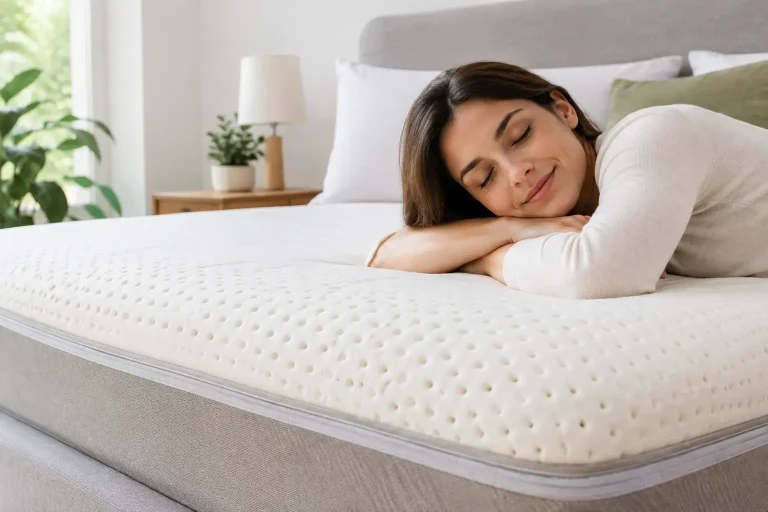
You usually feel a bad mattress before you know how to describe it. The lower back tightness when you sit up. The shoulder that goes numb halfway through the night. The heat buildup that has you flipping the pillow and shifting every hour. That is why orthopedic mattress benefits matter – not as a marketing phrase, but as a practical difference in how your body recovers overnight.
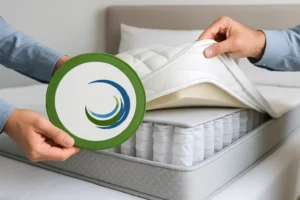
An orthopedic mattress is designed to support the spine, reduce strain on joints, and distribute body weight more evenly than a basic mattress. Done well, it can help with pain, movement disturbance, and overheating all at once. Done poorly, it can feel too hard, too soft, or simply mismatched to your sleep position. The real value is not in the label alone. It is in the construction behind it.
What orthopedic mattress benefits actually mean
The biggest misunderstanding is that orthopedic means stiff. It does not. A mattress built for orthopedic support should keep your spine in a healthier position while still cushioning pressure-prone areas like the shoulders, hips, and knees. That balance matters because support without comfort creates tension, and comfort without support often leads to sagging and poor alignment.
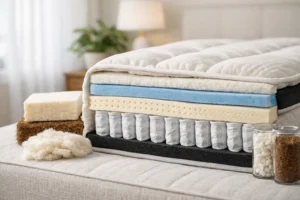
For most adults, the goal is simple: wake up with less pain, fewer pressure points, and more consistent sleep. That outcome usually comes from a mattress that combines responsive support layers with pressure-relieving comfort materials. In modern hybrid designs, that often means individually pocketed coils under foam, latex, or cooling comfort layers.
1. Better spinal alignment through the night
One of the clearest orthopedic mattress benefits is improved spinal alignment. When a mattress is too soft, heavier parts of the body can sink too far, pulling the spine out of neutral. When it is too firm, the mattress can push against the body instead of supporting its natural curves.
A well-built orthopedic mattress helps keep the head, shoulders, hips, and lower back in more stable alignment. That matters whether you sleep on your back, side, or stomach, although the ideal firmness can vary. Back sleepers usually need balanced support under the lumbar area. Side sleepers often need more give at the shoulders and hips. Stomach sleepers typically need firmer support to prevent the midsection from dipping.
This is where structured coil systems and responsive comfort layers earn their place. They support the body where it is heavier and allow lighter areas to settle without collapsing the surface.
2. Less pressure on joints and sensitive areas
If you wake up with sore hips, aching shoulders, or stiffness around the knees, pressure relief is not optional. It is one of the most practical orthopedic mattress benefits for people dealing with everyday discomfort or recurring pain.
Pressure builds when body weight is concentrated on smaller contact points. A mattress with poor contouring can make that worse, especially for side sleepers. Materials like latex and quality foam are useful here because they spread weight more evenly and reduce the sharp pressure that leads to tossing, turning, or numbness.
There is a trade-off, though. Too much sink can reduce support and make changing positions harder. The best orthopedic mattresses do not just feel soft on top. They relieve pressure while keeping the body lifted and stable.
3. Reduced back pain for many sleepers
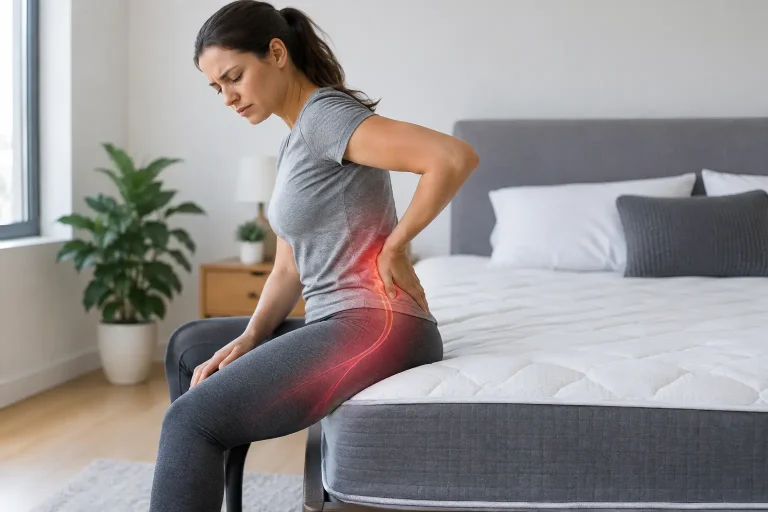
People often shop for an orthopedic mattress because of back pain, and for good reason. If your current mattress is sagging or uneven, it may be forcing your muscles to work all night to compensate. That kind of strain adds up.
A supportive sleep surface can help reduce stress on the lower back by keeping the pelvis from dropping too low and by supporting the natural curve of the spine. For many sleepers, that means less stiffness in the morning and fewer pain flare-ups after long workdays.
That said, not every back issue responds to the same mattress feel. Someone with lower back sensitivity may need medium-firm support, while another person with joint pain may need more cushioning on top. Orthopedic support is not one-size-fits-all. It works best when the mattress matches both your body type and your sleep position.
4. Better motion isolation for couples
A mattress can support your back perfectly and still fail you if every movement from your partner wakes you up. For couples, one of the underrated orthopedic mattress benefits is motion control.
Individually pocketed springs help reduce the spread of motion across the surface because each coil responds more independently. Add the right foam or latex comfort layers, and the mattress absorbs more movement instead of bouncing it across the bed.
The result is a steadier sleep surface. If one person gets up early, shifts often, or changes position throughout the night, the other is less likely to feel every movement. This is especially useful for light sleepers who need both support and uninterrupted rest.
5. Cooler sleep with the right materials
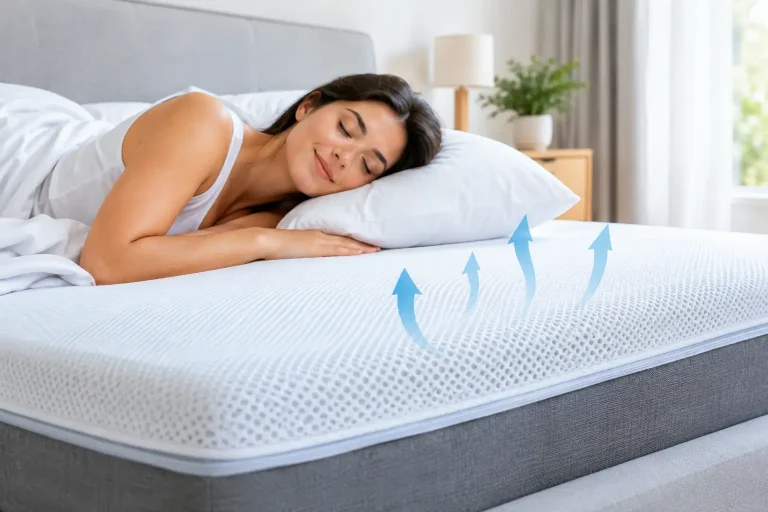
Heat can make pain feel worse and sleep feel lighter. If you wake up sweating, your mattress may be holding onto more body heat than it should. One of the most overlooked orthopedic mattress benefits is temperature regulation, especially in hybrid models built with airflow in mind.
Pocketed coil systems allow more air circulation than dense all-foam cores. Cooling gel foams and breathable latex can also help dissipate heat rather than trapping it near the body. This matters because a cooler sleep environment supports deeper, more stable rest.
Of course, no mattress can fully overcome a hot room, heavy bedding, or naturally warm sleep tendencies. But better airflow and heat-dispersing materials can make a meaningful difference night after night.
6. Easier movement and better body response
If you have ever felt stuck in a mattress, you know how tiring that can be. People with joint stiffness or back discomfort often do better on a surface that lets them shift positions without fighting the bed.
This is another area where orthopedic-supportive hybrids tend to perform well. Latex and responsive spring systems rebound faster than slow, deep-sinking foams. That means the mattress adapts quickly when you move and helps you reposition more naturally.
For older adults, active sleepers, or anyone managing stiffness, that responsiveness can make the bed feel more supportive rather than restrictive.
7. More consistent support over time
A mattress is not a short-term purchase. One of the long-term orthopedic mattress benefits is durability, assuming the construction is strong enough to resist sagging and premature wear.
Low-quality mattresses often soften unevenly, especially where the body carries the most weight. Once that happens, alignment suffers. A mattress that felt fine in the showroom can start causing discomfort months later.
Stronger coil systems, dense comfort layers, and certified materials generally hold performance better over time. This is one reason many shoppers move from traditional basic spring mattresses to better-built hybrids. They want the surface to keep doing its job, not just feel good for the first few weeks.
8. A more balanced feel than old-school firm mattresses
There is a reason some people avoid anything labeled orthopedic. They assume it will feel hard, flat, and unforgiving. Older designs often earned that reputation.
Modern orthopedic mattresses are different when they are engineered correctly. Instead of relying on firmness alone, they use layered construction to create a more balanced feel – comfort on top, support underneath, and targeted response through the core.
That matters because pain relief does not come from hardness by itself. It comes from better body positioning, lower pressure buildup, and fewer points of strain. A mattress can feel comfortable and still be highly supportive.
How to choose the right orthopedic mattress benefits for your needs
The right mattress depends on what is actually disrupting your sleep. If back pain is the main issue, focus on alignment and support consistency. If shoulder or hip pain is the problem, pressure relief matters more. If you sleep with a partner, motion isolation should move higher on the list. If you sleep hot, breathable layers and coil airflow matter more than marketing buzzwords.
This is where material details matter. Pocketed coils are useful for support, airflow, and motion separation. Latex can provide pressure relief with a more lifted, responsive feel. Cooling gel foams can help reduce heat retention. Certifications such as Oeko-Tex and CertiPUR-US also give added reassurance about material standards.
A mattress should solve the specific problems you bring to bed with you. That is the standard worth using.
Are orthopedic mattresses worth it?
For many people, yes – especially if your current mattress leaves you sore, overheated, or constantly disturbed by movement. The key is to look beyond the word orthopedic and judge the actual design. Supportive coils, pressure-relieving comfort layers, motion control, and temperature regulation are not extras. They are what make the benefits real.
A better mattress will not fix every cause of pain, and it cannot replace medical care when pain is severe or ongoing. But the right sleep surface can remove one of the most common reasons your body is not recovering well at night.
If your mornings start with stiffness instead of relief, your mattress may be asking too much from your body. The right support should do the opposite – help you rest, reset, and wake up feeling more like yourself.