A hybrid mattress can feel excellent for years – until one day your lower back starts talking, you wake up warmer than usual, or you notice the middle of the bed is no longer pulling its weight. That is usually when people start asking, how long does a hybrid mattress last? The honest answer is about 7 to 10 years for most hybrids, with premium models often performing well closer to 10 to 12 years when they use better coils, denser comfort layers, and stronger edge support.
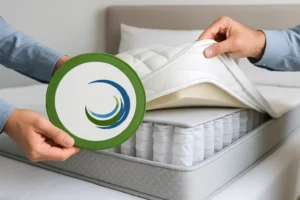
That range matters because a hybrid mattress is not a simple product. It combines foam or latex comfort layers with a pocketed coil support system, so its lifespan depends on how well those materials work together over time. A well-built hybrid can hold spinal alignment, reduce motion transfer, and sleep cooler for longer than many basic all-foam or traditional spring mattresses. A cheaper one may lose comfort and support much sooner.
How long does a hybrid mattress last in real use?
In real bedrooms, not just in product testing, most hybrid mattresses last long enough to justify their higher price over a budget innerspring. But durability is not just about whether the bed is technically usable. It is about whether it still delivers the pressure relief, joint support, and temperature control you bought it for in the first place.
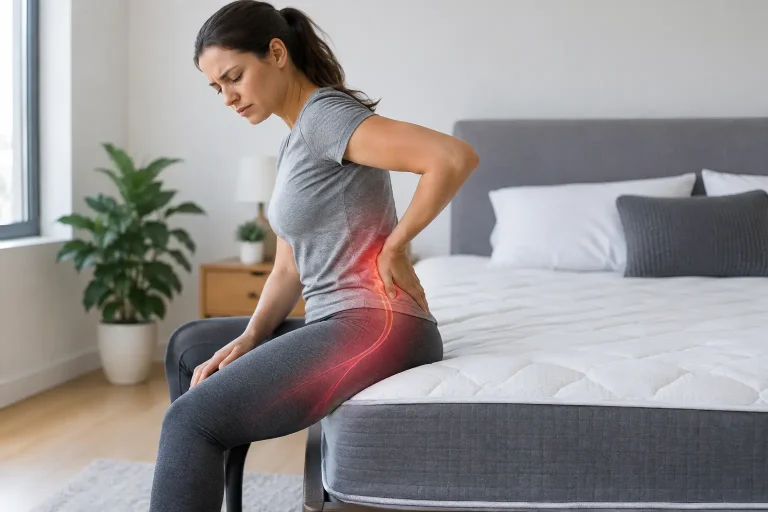
A hybrid mattress can still look fine on the surface while no longer supporting your body correctly. That is especially common for adults dealing with back pain, shoulder tension, or stiffness in the morning. If the comfort layers start breaking down or the coil system loses consistency, your body usually notices before your eyes do.
For couples, lifespan can also show up as motion issues. If one person turns and the other starts feeling more of that movement than they used to, that is often a sign the materials are no longer isolating motion as effectively. The bed may not be completely worn out, but it may be past its best performance window.
What affects how long a hybrid mattress lasts?
The biggest factor is material quality. High-density foam, natural or premium latex, and individually pocketed coils tend to maintain their shape and support longer than lower-cost alternatives. A hybrid built with stronger internal structure is less likely to develop premature sagging, soft spots, or edge collapse.
Body weight also plays a role. Heavier sleepers usually put more stress on the comfort layers and coil system, which can shorten the mattress lifespan. That does not mean a hybrid is a poor choice – in fact, hybrids are often a stronger option than all-foam beds for support and durability – but it does mean construction quality matters even more.
Sleep position changes the wear pattern too. Side sleepers tend to put extra pressure on the shoulder and hip zones, while back and stomach sleepers may compress the center third more aggressively. Over time, those repeated pressure points can reveal whether the mattress was engineered for lasting support or just a good first impression.
Your foundation matters more than many people realize. A mattress placed on an unsupportive base can wear unevenly, even if the mattress itself is well made. Slats that are too far apart, a sagging platform, or an old box spring can all shorten the usable life of a hybrid.
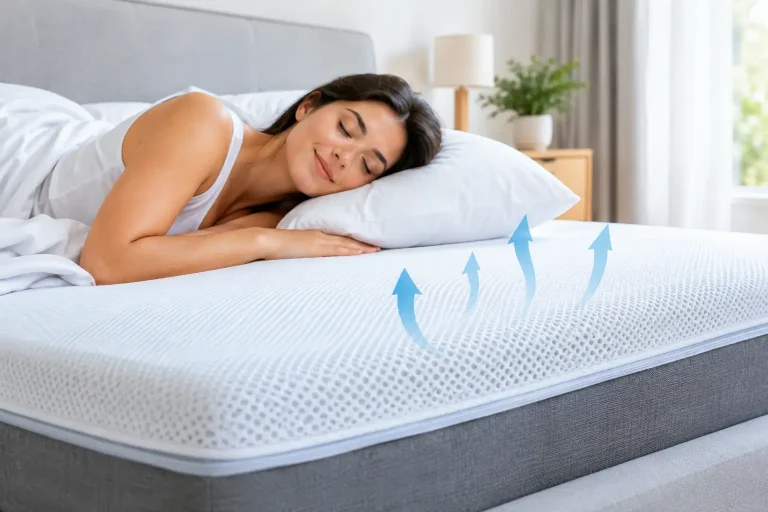
Heat, humidity, and general care count as well. While hybrids usually sleep cooler than dense foam beds because of airflow through the coil layer, poor room conditions and lack of maintenance can still speed up material fatigue.
The parts of a hybrid mattress that wear out first
In most hybrids, the comfort layers show age before the coil system does. Foams can soften, lose resilience, or form body impressions. Latex generally holds up better, but it still depends on grade and thickness. If the upper layers stop rebounding properly, you may start feeling stuck, unsupported, or sore in pressure points.
Pocketed coils are usually the long-game component. A well-made coil system can maintain support for years, especially when the steel gauge and coil count are appropriate for the mattress design. But not all coil systems are equal. Weaker coils can lose tension, create uneven support, or reduce motion isolation over time.
Edges are another common weak point. If you sit on the same side of the bed every day, the perimeter can compress faster than the center. Strong edge reinforcement helps the mattress feel stable longer and makes the full sleep surface more usable.
Signs your hybrid mattress needs replacing
The clearest sign is recurring discomfort. If you wake up with back pain, stiffness, or pressure buildup that improves once you get moving, your mattress may no longer be holding your spine in a neutral position.
Visible sagging is another obvious red flag, but you should also watch for more subtle changes. If your mattress feels softer where you sleep, if your partner’s movement is suddenly more noticeable, or if the bed no longer feels cool and breathable, those are performance issues worth taking seriously.
Noise can be a clue too. While some sound from a coil mattress is normal as it ages, squeaking, creaking, or a feeling of uneven spring response may suggest the support core is wearing out.
A mattress does not need to be completely collapsed to be the wrong bed for your body. If sleep quality has declined and you have ruled out stress, schedule, and room conditions, the mattress deserves a hard look.
Can a hybrid mattress last longer than 10 years?
Yes, but it depends on build quality and expectations. A premium hybrid with durable latex, cooling gel foam, and a structured pocket spring system can absolutely remain supportive beyond 10 years. That is especially true if it is rotated regularly and used on a proper base.
Still, there is a difference between lasting and performing at a high level. Some mattresses remain usable past 10 years, but they may not deliver the same pressure relief, zero-disturbance feel, or cooling performance they did when new. If you bought a hybrid for orthopedic support and better sleep recovery, those details matter.
This is where buyers often make a practical mistake. They keep the mattress because it has not fully failed, even though their sleep has clearly declined. If a bed is no longer helping with pain relief, partner disturbance, or overheating, it may be costing you rest long before it looks worn out.
How to make a hybrid mattress last longer
A few habits can add meaningful life to your mattress. Rotate it every few months, especially in the first year, to help wear stay more even across the surface. Use a mattress protector to guard against moisture, spills, and sweat that can affect the comfort layers.
Keep it on a supportive base that matches the manufacturer’s recommendations. That one decision can preserve both comfort and warranty coverage. Avoid bending or folding a hybrid unnecessarily, since the coil unit is designed to work under even support.
It also helps to pay attention early. Small dips, changing support, or increased heat retention usually become bigger issues over time. If you notice those shifts, address the foundation or usage pattern before they speed up wear.
Is a hybrid more durable than foam or innerspring?
Often, yes. A good hybrid usually lasts longer than a cheap traditional innerspring because the comfort system is more advanced and the support core is more stable. Compared with all-foam mattresses, hybrids often hold shape better for sleepers who need stronger support or sleep hot.
That said, not every hybrid beats every foam mattress. A poorly made hybrid can underperform a high-quality foam bed. The advantage comes from thoughtful engineering, not just the hybrid label. Pocketed coils, resilient comfort layers, and strong edge construction are what make the difference.
For adults focused on back support, cooler sleep, and reduced partner disturbance, a well-built hybrid tends to be one of the most balanced long-term options. It gives you cushioning on top without sacrificing the lift and alignment that many sleepers need as the years go on.
What lifespan should you expect from a quality hybrid?
If you are investing in a mattress for real sleep outcomes, a fair expectation is around 8 to 10 strong years, with some premium hybrids reaching beyond that. Brands that focus on pressure relief, spinal alignment, and airflow tend to engineer for more than surface comfort. At Azure Mattress, that is exactly how we think about hybrid construction – not as a trend, but as a performance system designed to stay supportive, cooler, and quieter night after night.
The right question is not just how long the mattress will exist in your bedroom. It is how long it will keep helping your body recover, your spine stay aligned, and your sleep stay undisturbed. When a hybrid still does those jobs well, it is earning its place. When it stops, your body usually tells you first.