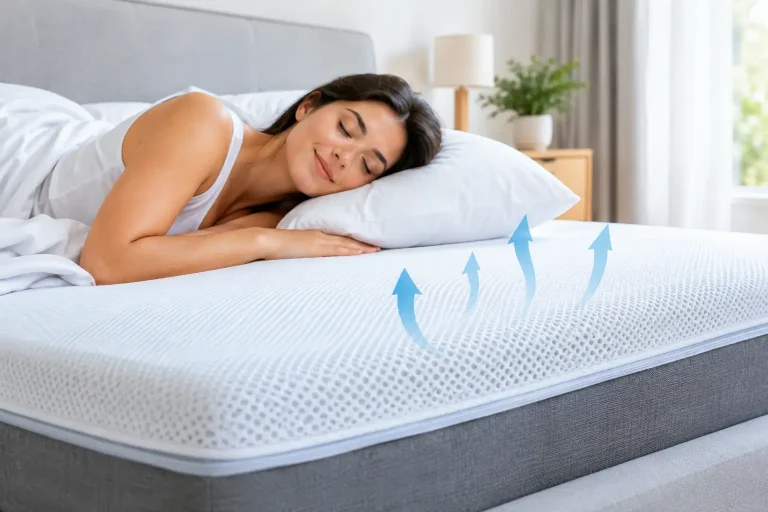
If you wake up every time your partner rolls over, gets out of bed, or shifts their legs, the problem is not just light sleep. It is usually a bed system that is amplifying movement instead of absorbing it. When people ask how to reduce partner motion transfer in bed, the answer usually starts with the mattress – but the full fix can also involve the bed frame, bedding, body weight differences, and even how the mattress is constructed from top to bottom.
Motion transfer matters because broken sleep adds up fast. A mattress can feel soft in a showroom and still perform poorly at night if movement ripples across the surface. For couples, that often means one person sleeps fine while the other keeps getting pulled out of deeper sleep stages. If your goal is less disturbance, less tossing, and more restorative rest, you need to focus on motion isolation as a measurable performance feature, not a vague comfort claim.
How to reduce partner motion transfer in bed starts with mattress design
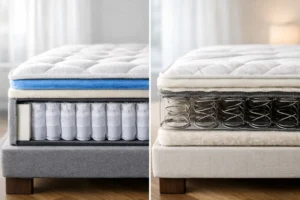
Not all mattresses handle movement the same way. Traditional innerspring beds are usually the worst offenders because connected coils tend to spread force across a wider area. When one side compresses, the other side often feels it. That is why older spring mattresses can make every turn, bounce, and bedtime exit feel exaggerated.
Foam mattresses generally isolate movement better because foam absorbs impact instead of sending it outward. But all-foam is not automatically the best choice for every couple. Some sleepers need stronger spinal support, better edge stability, or cooler temperature control than basic foam can provide. That is where a well-built hybrid often makes more sense.
A high-performance hybrid can reduce partner disturbance if it uses individually pocketed coils rather than linked springs. Each coil responds more independently, which helps contain movement to the area where pressure is applied. Add comfort layers like latex or premium pressure-relieving foam on top, and you get both support and motion control. This is the balance many couples need, especially if one or both sleepers deal with back pain, stiffness, or overheating.
What materials reduce motion transfer best?
The top comfort layers play a bigger role than many people realize. Softer surface materials can absorb quick movements before they travel across the mattress. Memory foam is known for this, but it comes with trade-offs. It can sleep warmer, feel slower to respond, and make repositioning harder for some people.
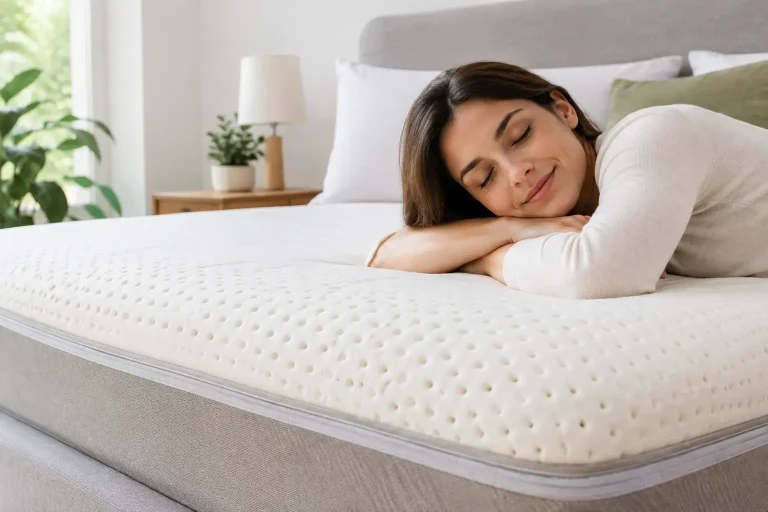
Latex is a different kind of solution. It is responsive, pressure-relieving, and typically sleeps cooler than traditional memory foam. On its own, latex can feel a bit bouncier, but when paired with a strong support core and layered thoughtfully, it can still help limit movement while keeping the bed easier to move on.
Cooling gel foams can also help, especially for couples who want contouring without the heat buildup that often comes with dense foam beds. The real key is not a single material in isolation. It is how the layers work together. A mattress built for motion isolation should absorb surface movement, prevent deep rebound, and keep the spine supported so your body is not constantly shifting to find relief.
The support core matters more than most shoppers think
When couples shop by feel alone, they often overlook what is happening underneath the comfort layer. That is a mistake. The support core determines whether the mattress stabilizes movement or magnifies it.
Connected coil systems create more chain reaction across the bed. Individually pocketed coils are much better because they compress separately and reduce the spread of motion. They also support the body more precisely, which can improve alignment and reduce the frequent repositioning that happens when a mattress is too soft, too firm, or unevenly supportive.
This is especially important if there is a significant weight difference between partners. A mattress that works for one body type may not control movement well for the other. Heavier sleepers create deeper compression, and if the support system is weak, that force can disturb the entire sleep surface. A stronger hybrid design with zoned support or a structured coil system usually performs better in these cases.
Your bed frame can make motion transfer worse
Even a good mattress will underperform on the wrong base. If the bed frame wobbles, flexes, squeaks, or has weak center support, it can increase the sensation of movement. Some couples blame the mattress when the real issue is underneath it.
Check whether your frame is stable and properly assembled. Slats should be secure and spaced according to the mattress manufacturer’s guidance. Larger beds, especially queen and king sizes, need strong center support to prevent sagging and shifting. If the frame moves every time one person turns, the mattress has to fight against that extra instability.
An adjustable base can help some couples, but it depends on how it is used. If each side can move independently, it may reduce shared disturbance. If the whole base lifts or shifts together, one person’s movement could still affect the other. The benefit is real, but only when the setup matches the couple’s sleep habits.
Size makes a difference
Sometimes the simplest answer is more space. A full-size bed can feel manageable for two people until one partner starts moving through the night. With less personal sleep space, every repositioning happens closer to the other person. That increases the odds of contact and pressure changes across the surface.
Upgrading to a queen or king often reduces partner disturbance simply by creating more separation. This does not replace the need for a motion-isolating mattress, but it gives the mattress more room to do its job. For couples with different schedules, restless sleep patterns, or children and pets occasionally climbing in, the extra width can make a noticeable difference.
Toppers can help, but only in specific cases
If your mattress is still supportive and structurally sound, a topper may improve motion control at the surface level. This works best when the current problem is mild and mostly related to surface bounce or lack of pressure relief.
A dense foam or latex topper can soften impact and reduce how much quick movement is felt on the other side. But a topper will not fix a sagging mattress, a noisy frame, or a worn-out spring system. If the support core is failing, adding another layer on top usually delays the real solution rather than solving it.
This is where honest assessment matters. If your mattress is several years old, has visible body impressions, or leaves you waking up sore, the issue is bigger than motion transfer alone. Disturbed sleep and poor alignment often show up together.
Sleep habits affect movement too
Not every motion problem comes from the mattress. Some of it comes from what the body is doing at night. If one partner sleeps hot, they may toss more. If the mattress causes hip, shoulder, or lower back pressure, both sleepers may reposition more often without realizing it.
That is why cooling performance and pressure relief are part of the conversation. A mattress that sleeps cooler and supports the joints properly can lower the amount of movement happening in the first place. Less shifting means less disturbance.
Pillows matter here as well. The wrong pillow can throw the neck and shoulders out of alignment, leading to more restlessness through the night. For side sleepers especially, the right loft can reduce strain and help the whole body settle into a more stable position.
How to shop for less motion transfer without falling for vague claims
Many brands talk about “zero disturbance,” but not all mattresses are built to deliver it. Look past broad comfort language and focus on construction details. Ask what kind of coil system is used. Ask whether the coils are individually wrapped. Ask what materials are in the comfort layers and how thick they are. Ask how the mattress balances motion isolation with spinal support and temperature regulation.
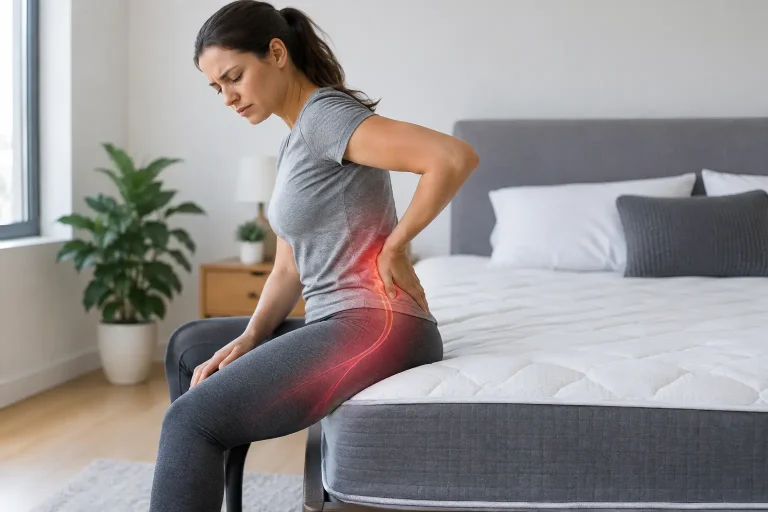
This matters because strong motion isolation should not come at the cost of proper support. A bed that absorbs movement but lets the hips sink too far can create back pain. A mattress that feels stable but sleeps hot can still keep you awake. The best solution is the one that reduces disturbance while also supporting healthier, cooler, deeper sleep overall.
For many couples, that means choosing a hybrid mattress engineered with individually pocketed springs, pressure-relieving comfort layers, and airflow-focused materials. That combination addresses the three problems that most often show up together – partner disturbance, pain, and overheating. It is also why brands like Azure Mattress focus on sleep performance rather than surface feel alone.
If you are tired of waking up because someone else turned over, do not settle for coping strategies. A quieter sleep surface is possible, and once your bed starts absorbing motion instead of spreading it, the whole room feels calmer at night.