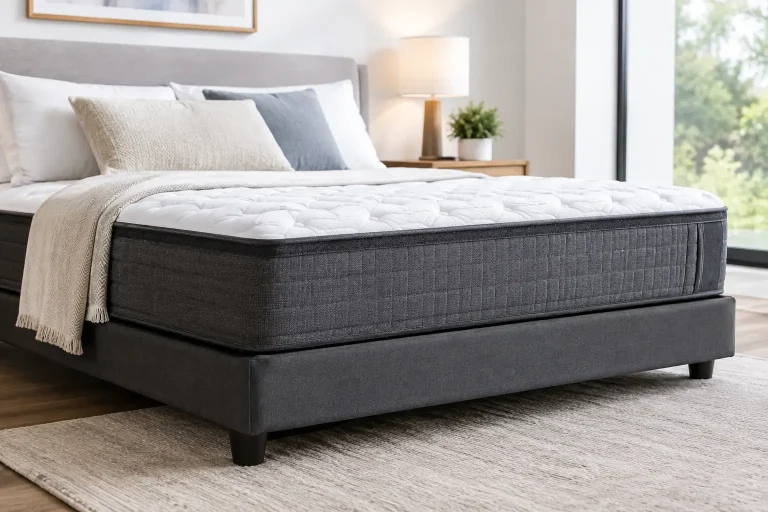
One person sleeps hot, the other wakes at every turn. One wants firmer support for back pain, the other wants pressure relief at the shoulders and hips. That is usually where couples start asking: are hybrid mattresses good for couples? In many cases, yes – especially when the mattress is built to solve the three issues that disrupt shared sleep most often: motion transfer, uneven support, and overheating.
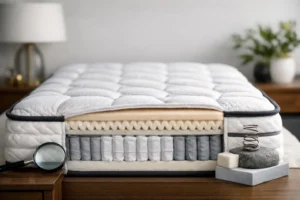
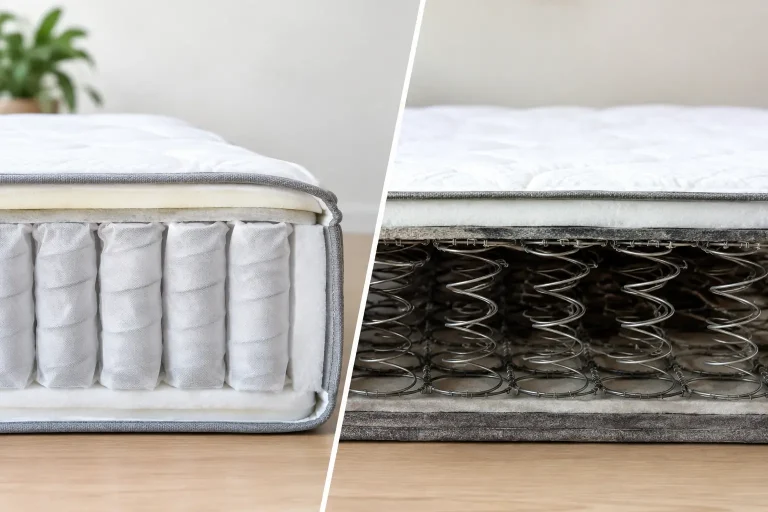
A well-made hybrid mattress combines pressure-relieving comfort layers with an individually pocketed coil system underneath. That mix matters for couples because it can deliver cushioning without the stuck feeling of some all-foam beds, and support without the bounce and partner disturbance of a traditional spring mattress. But not every hybrid performs the same way. The materials, coil design, firmness level, and edge support all shape whether it feels stable and comfortable for two people night after night.
Why hybrid mattresses are good for couples in the first place
Couples rarely need a mattress that is simply soft or simply firm. They need one that can manage competing sleep needs on the same surface. That is where hybrid construction has a real advantage.
The comfort layers on top can reduce pressure buildup around the hips, shoulders, and lower back. This helps if one or both sleepers wake up stiff or sore. Under that, pocketed coils create more targeted support than older interconnected spring systems. Because each coil can respond more independently, the mattress is better at adapting to body weight and sleep position while limiting ripple-like movement across the bed.
For couples, that balance is useful. You want enough contouring to avoid pressure pain, but enough structural support to keep the spine from dipping out of alignment. A strong hybrid can do both at once, which is why it often feels like an upgrade from basic innerspring mattresses and a more supportive option than overly plush foam beds.
Are hybrid mattresses good for couples who deal with partner movement?
This is usually the deciding factor.
If your partner tosses, turns, gets up early, or comes to bed late, motion isolation becomes a real quality-of-life issue. Traditional spring mattresses tend to transfer movement across the whole surface. All-foam mattresses can absorb motion well, but some couples find them too warm or too sink-in heavy.
Hybrids sit in a more practical middle ground. Models with individually pocketed springs and stabilizing comfort layers can absorb a surprising amount of movement while still feeling responsive. That means less disruption when one sleeper changes position.
Still, the phrase hybrid alone is not a guarantee. If the coil unit is low quality or the top layers are too thin, you may still feel motion. Couples should look for hybrids that specifically emphasize motion control through structured pocket springs and dense comfort materials such as latex or high-performance foams. When those elements are engineered well, you get the lift and support of coils without the old-fashioned bounce that wakes both sides of the bed.
Support matters more when two people share a mattress
A mattress that feels comfortable for five minutes can feel completely different after a full night of shared sleep. Two bodies create more pressure, more compression, and more demand on the support core.
This is why hybrid mattresses often perform well for couples who care about back support. The coil layer helps distribute weight more evenly and keeps heavier areas of the body from sinking too far. At the same time, comfort layers can cushion joints and reduce sharp pressure points.
That combination is especially important for couples with different body types. If one person is significantly heavier than the other, a mattress needs enough structure to keep both sleepers aligned. A quality hybrid is often better equipped for that than a simple foam mattress with less pushback underneath.
For people with back pain, stiffness, or joint discomfort, spinal alignment should not be treated as a bonus feature. It is a core performance requirement. A hybrid mattress that combines pressure relief with orthopedic-style support can help reduce the kind of overnight strain that leads to morning aches.
The best feel for most couples
Most couples do best with a medium to medium-firm hybrid. That range tends to offer the broadest balance of contouring and support. Too soft, and both sleepers may roll inward or lose alignment. Too firm, and lighter sleepers may feel pressure at the shoulders and hips.
There are exceptions, of course. Back and stomach sleepers often prefer a firmer feel, while side sleepers usually need more pressure relief. But for couples trying to meet in the middle, medium-firm is often the safest place to start.
Heat can ruin shared sleep fast
Two sleepers generate more body heat than one. If you already sleep warm, the wrong mattress can trap heat and turn bedtime into a nightly battle for the cool side.
This is another reason hybrid mattresses tend to work well for couples. The coil base allows more airflow than dense foam constructions, which helps heat move out instead of building up around the body. If the mattress also includes breathable latex, cooling gel foam, or moisture-managing cover materials, the temperature benefit becomes more noticeable.
That does not mean every hybrid sleeps cool. Thick, low-breathability foams can still hold heat on top. But in general, a thoughtfully designed hybrid has a better chance of keeping couples comfortable than an all-foam mattress with minimal airflow.
If one or both of you wakes up sweaty, pay close attention to construction details. Cooling claims should connect to real materials and airflow design, not just marketing language.
Edge support is more important than many couples expect
When two people share a mattress, they use more of the surface area. That makes edge support matter.
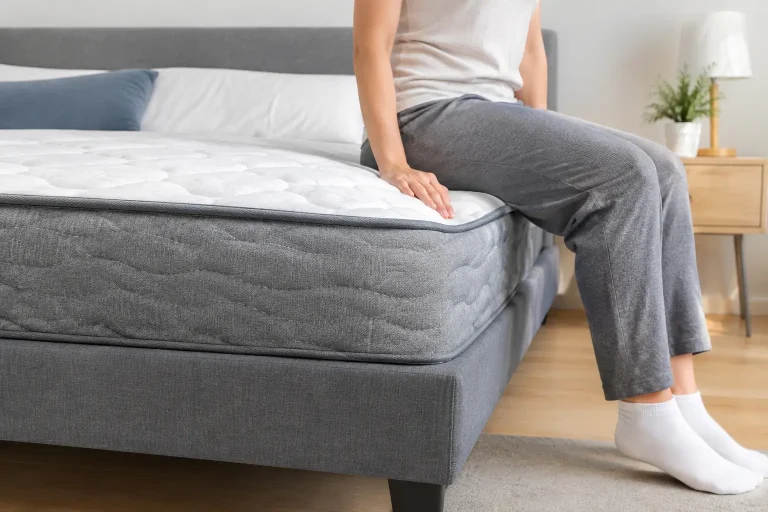
Weak edges can make the bed feel smaller than it is. You may feel like you are sliding off when sleeping near the perimeter, or notice sagging when sitting on the side to get dressed. A hybrid mattress with reinforced coils around the edges can make the entire bed feel more stable and usable.
For couples in a queen size especially, strong edges can improve comfort in a practical way. You both get more room to spread out without feeling crowded toward the center.
When a hybrid mattress may not be the right fit
Hybrid mattresses are a strong option for many couples, but there are cases where another type might suit better.
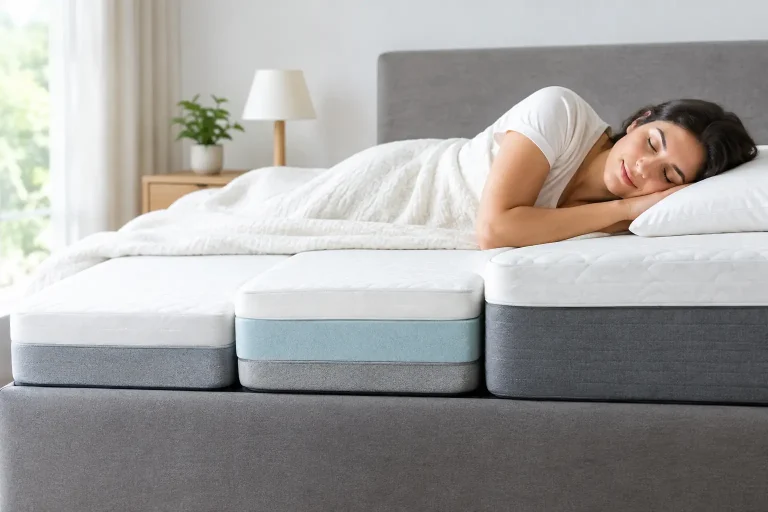
If both sleepers want an ultra-plush, deep-hugging feel, a softer foam mattress may feel closer to what they want. If budget is the only priority, an entry-level innerspring may cost less upfront, though it may also fall short on motion control and pressure relief. And if one partner wants a very different firmness from the other, a split configuration or adjustable setup may be worth considering.
There is also the issue of build quality. A low-end hybrid can sound impressive on paper but underperform where it counts. Thin foams, weak coil systems, and poor edge reinforcement can lead to faster wear and less comfort over time. For couples, durability matters because the mattress is handling greater combined load every night.
What couples should actually look for
If you are comparing options, focus less on mattress buzzwords and more on the features tied to real sleep outcomes.
Look for individually pocketed coils for motion isolation and targeted support. Look for comfort layers that relieve pressure without swallowing your body. Latex can add responsiveness and airflow, while cooling gel foams can help reduce heat buildup. A medium-firm feel is often the safest all-around choice. Strong edge support is worth having. Certifications such as Oeko-Tex and CertiPUR-US can also offer extra reassurance about material quality.
Just as important, think about your actual sleep habits. Do you wake when your partner moves? Do you sleep hot? Do you deal with back pain, shoulder pressure, or stiffness in the morning? The right hybrid should answer those specific problems, not just promise generic comfort.
For many couples, that is exactly where a performance-focused hybrid stands out. Brands like Azure Mattress build around practical outcomes – better spinal support, less motion transfer, and cooler sleep – because those are the issues that decide whether shared sleep feels restful or frustrating.
A good mattress should not force one partner to compromise so the other can sleep well. The best hybrid mattresses give couples a more balanced surface, where support, motion control, and temperature regulation work together instead of fighting each other. If your current bed leaves one of you sore, sweaty, or wide awake every time the other rolls over, a well-built hybrid is not just a reasonable option. It is often the smarter one.