A hybrid mattress can look impressive on a product page, but the real difference shows up at 2 a.m. – when your lower back is either supported or strained, when your partner rolls over and you either feel it or sleep through it, and when heat either escapes or builds under your shoulders and hips. That is why best hybrid mattress materials explained is not just a shopping topic. It is the clearest way to understand what will actually change how you sleep.
The best hybrids are not defined by having more layers. They are defined by using the right materials in the right order for three outcomes that matter most: pressure relief, spinal alignment, and temperature control. If you are replacing a basic spring mattress or a foam bed that sleeps too hot, material choice is where performance starts.
Best hybrid mattress materials explained by function
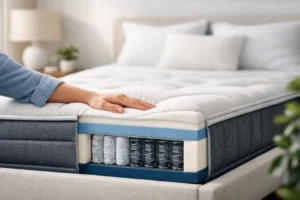
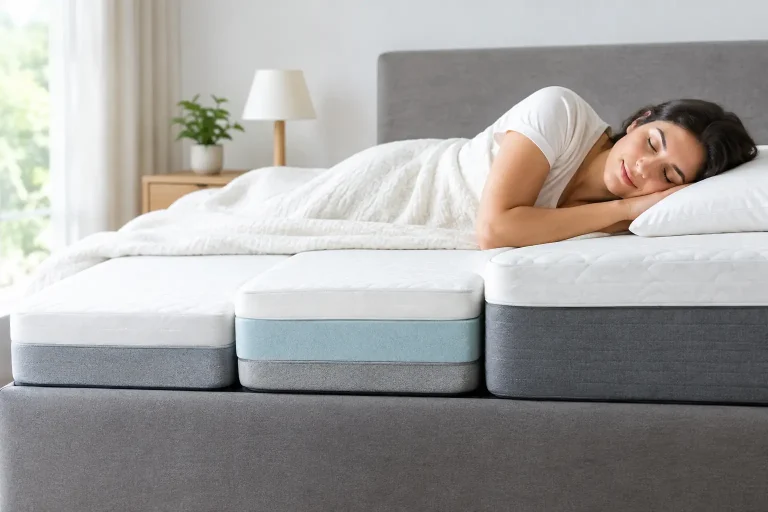
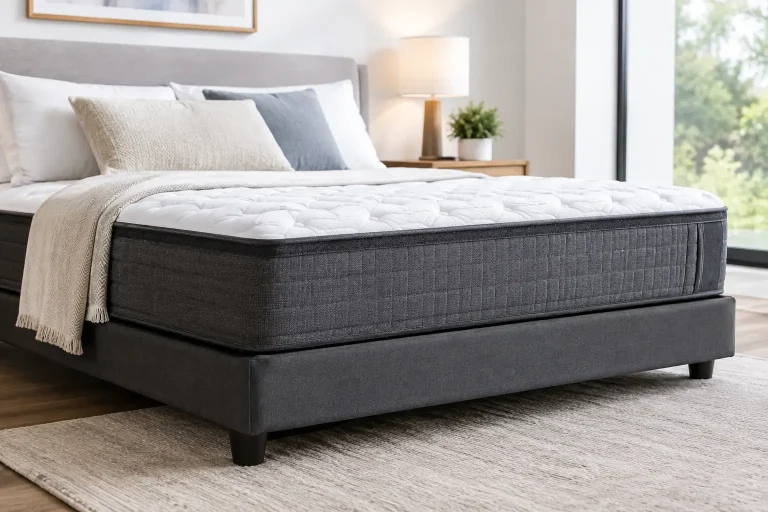
A hybrid mattress combines foam or latex comfort layers with a coil support core. That sounds simple, but not all foams, latex layers, or spring systems perform the same way. Some hybrids feel plush at first and lose support too quickly. Others feel firm and stable but create pressure points because the comfort layer is too thin or too dense.
When you evaluate materials by function instead of marketing terms, the picture gets clearer. Ask what each layer is doing. Is it relieving pressure at the shoulders and hips? Is it keeping your spine in a more neutral position? Is it reducing heat retention? Is it isolating movement well enough for couples? Good hybrids answer yes to all four, but they get there with different material combinations.
Latex for pressure relief and responsive comfort
Latex is one of the strongest materials in a hybrid build if you want a balance of cushioning and lift. Unlike slow-moving memory foam, latex responds quickly when you change positions. That matters for combination sleepers and anyone who dislikes the stuck feeling some all-foam beds create.
It also tends to distribute pressure more evenly, especially around the shoulders, hips, and lower back. For sleepers dealing with stiffness or joint discomfort, that gentle pushback can feel more supportive than deep sink. The trade-off is feel. Latex usually has a slightly springier, more buoyant sensation, so people who want that classic body-hug may prefer a hybrid that uses latex alongside softer top foams rather than latex alone as the main comfort layer.
Natural and certified latex can also appeal to shoppers who care about cleaner material standards. Still, latex quality varies. A thin latex layer may add responsiveness, but it will not do the same job as a thicker, properly integrated comfort system.
Cooling gel foam for contouring without excess heat
Cooling gel foam is often used in hybrid mattresses because it helps soften the surface while addressing one of traditional foam’s biggest complaints – heat retention. A well-made gel foam layer can contour around pressure points without trapping as much warmth as older memory foams.
This matters most for side sleepers, hot sleepers, and anyone living in a warm climate. If you regularly wake up sweaty, the comfort layer is often part of the problem. Gel-infused foams are designed to disperse heat more effectively, especially when paired with breathable covers and airflow from a coil base.
That said, gel foam is not a magic fix on its own. A mattress can still sleep warm if the foam is too dense, the top cover is not breathable, or the support core limits airflow. Cooling performance comes from the full system, not one ingredient. The strongest hybrids use cooling foam as part of a layered design rather than relying on a single feature callout.
Individually pocketed coils for support and motion isolation
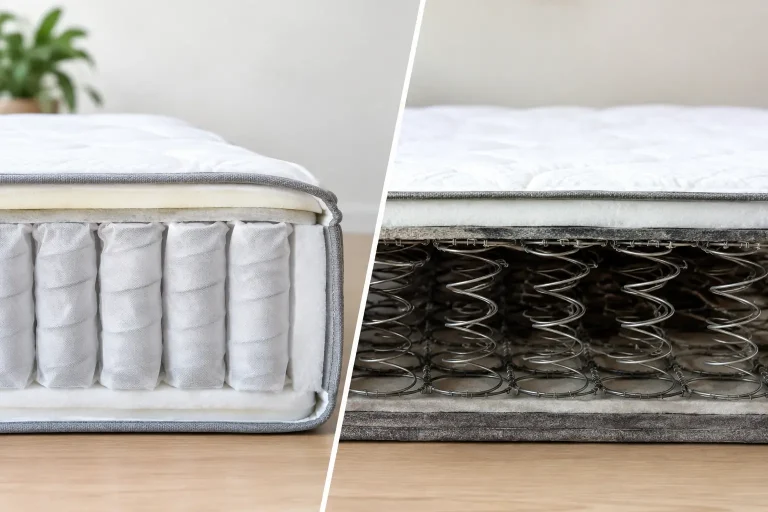
If there is one material that separates a true performance hybrid from an ordinary mattress, it is the coil system. Individually pocketed coils move more independently than connected spring units, which helps with both contouring support and motion isolation.
For back and joint relief, this is a major advantage. Pocketed coils can adapt to body weight more precisely, supporting heavier areas like the hips while allowing lighter areas to settle in appropriately. That more targeted response helps keep the spine from bowing out of alignment.
For couples, individually wrapped coils reduce the ripple effect that older innerspring beds are known for. You are less likely to feel every turn, shift, or midnight bathroom trip. A structured pocket spring system also improves durability and airflow, which makes it one of the most important layers in any hybrid designed for long-term comfort.
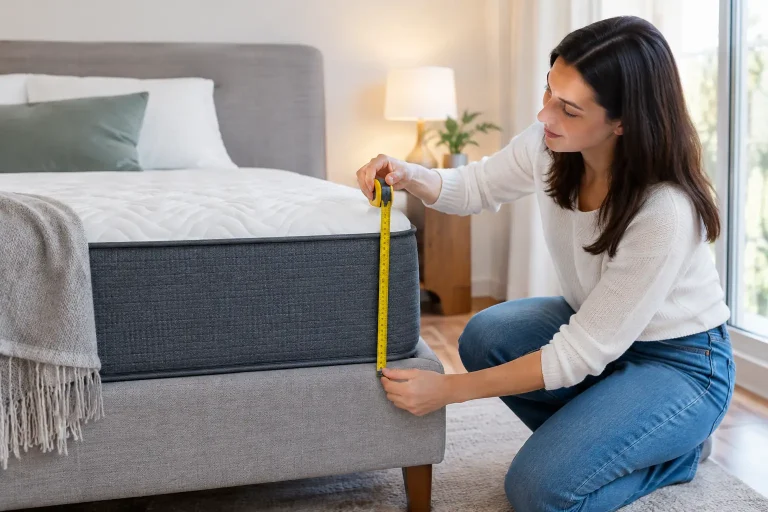
Not all coil counts or layouts perform equally, though. The quality of steel, coil height, zoning, and edge support all affect the result. More coils are not automatically better if the construction is weak or poorly balanced with the comfort layers above.
Which hybrid mattress materials matter most for your sleep style?
The best material mix depends on what your body is asking for at night. If your main issue is back pain, support should lead the decision. In that case, a hybrid with responsive latex or supportive foam over a strong pocketed coil unit is usually a better choice than a plush build that lets the hips sink too far.
If pressure points are your biggest problem, look more closely at the comfort layers. Side sleepers often do well with a thicker top section that includes cooling gel foam, latex, or both. The goal is enough cushioning to reduce stress at the shoulders and hips without losing the support underneath.
If your partner keeps waking you up, the materials that matter most are motion-controlling foams and individually pocketed springs. This is where hybrids can outperform traditional spring beds by a wide margin. You still get lift and support, but with far less bounce traveling across the mattress surface.
If you sleep hot, breathability should be built into multiple layers. Latex tends to feel cooler than dense memory foam. Pocketed coils allow more airflow than solid foam cores. Cooling gel foams and breathable covers help, but they work best when the rest of the mattress is also designed to release heat.
Best hybrid mattress materials explained beyond the buzzwords
Certifications and feature labels can be useful, but they should support the core material story, not replace it. Certifications such as CertiPUR-US for certain foams and Oeko-Tex for textiles can add confidence around material standards. That matters if you are trying to avoid lower-quality components or simply want more transparency.
Still, a certified material is not automatically the right material for your body. A safe foam that is too soft for your weight or sleep position will still be the wrong fit. A premium coil system paired with weak comfort layers will still underperform. Real mattress quality comes from how the layers work together over time.
This is also where durability enters the conversation. A hybrid should not feel dramatically different after a short period of use. Better latex, stronger coils, and thoughtfully selected foams are usually worth more than flashy extras because they maintain support and comfort longer. For many shoppers, that is the real value calculation.
How to read a hybrid mattress build like a smart buyer
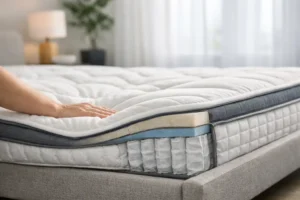
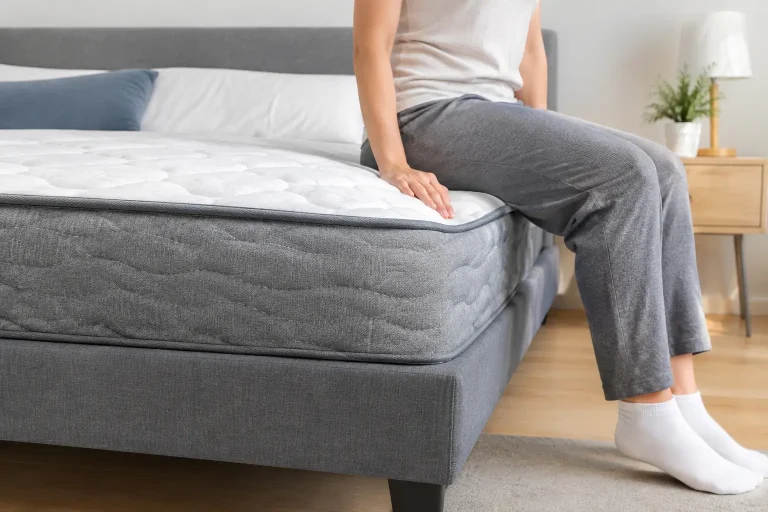
Start from the top and work down. The cover affects first-touch breathability, but the comfort layers underneath determine pressure relief. The transition layers help prevent that hard pushback feeling. The coil unit carries most of the support, stability, and airflow. Edge reinforcement matters if you sit on the side of the bed often or need full-use surface support.
Then match the build to your sleep goals. If you want a mattress that feels cooler, do not focus only on a cooling cover. Check for breathable latex, gel-infused foams, and coil airflow underneath. If you want less partner disturbance, do not stop at the word hybrid. Confirm that the mattress uses individually pocketed coils and motion-absorbing comfort layers.
A well-designed hybrid should feel intentional, not overloaded. When each layer has a clear job, the result is more restful sleep and fewer compromises. That is the approach brands like Azure Mattress build around because shoppers are not just buying a bed. They are trying to wake up with less pain, less overheating, and fewer interruptions.
The right mattress materials should make your nights quieter and your mornings easier. If a hybrid can do that consistently, the spec sheet stops being technical detail and starts becoming real relief.