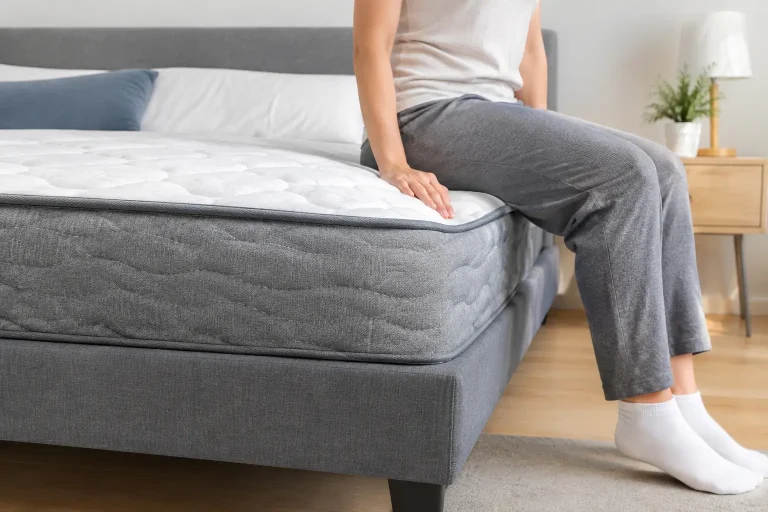
You feel pressure buildup long before you call it pain. It starts as a sore shoulder when you sleep on your side, stiffness in your lower back when you wake up, or that familiar urge to keep shifting because one spot never stays comfortable for long. That is exactly where how latex layers relieve pressure becomes relevant – not as a marketing phrase, but as a real part of what your mattress is doing to your joints, muscles, and spine every night.
Pressure relief is not just about softness. A mattress can feel plush for a few minutes and still create strain over a full night of sleep. What matters is how the surface responds under your heavier areas, how quickly it adapts when you change position, and whether it keeps your body aligned while it cushions impact points like the shoulders, hips, and knees.
How latex layers relieve pressure in real sleep positions
Latex relieves pressure by compressing where your body needs give, while still pushing back enough to prevent deeper sagging. That balance is the reason it performs differently from older spring mattresses and differently from some all-foam beds that let the body sink too far.
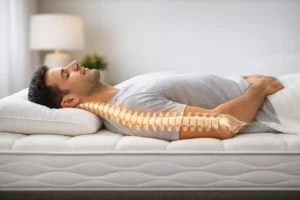
When you lie on your side, most of your weight concentrates around the shoulder and hip. If the mattress is too firm, those areas absorb too much force and circulation can be restricted. If it is too soft, the waist and midsection lose support and the spine can curve out of neutral alignment. A latex comfort layer is designed to compress more directly under those pressure points while keeping the surrounding surface supportive. The result is a more even distribution of body weight.
Back sleepers experience pressure differently. The issue is often not sharp discomfort at the shoulder or hip, but concentrated force under the pelvis, upper back, and heels. Latex helps spread that load while supporting the natural curve of the lumbar area. Instead of flattening the body into one hard plane, it follows the body’s shape with controlled responsiveness.
For stomach sleepers, the challenge is usually excessive sink under the hips, which can stress the lower back. Latex can help here too, but firmness and layer design matter more. A latex layer that is too plush may not be ideal for this sleep position. This is where mattress construction becomes less about a single material and more about how each layer works together.
Why latex feels supportive instead of swampy
One of the biggest differences sleepers notice is that latex cushions without creating that trapped, swallowed feeling. This matters for pressure relief because your body needs contouring, but it also needs stability. If a mattress lets the hips and shoulders sink too deeply and too slowly, the pressure may shift rather than disappear. You may get softness, but not proper support.
Latex is naturally responsive. It compresses under load and rebounds quickly when pressure changes. That means it can adapt when you roll from your back to your side without leaving you stuck in a body impression. For combination sleepers and couples, this is a practical advantage. You get pressure relief that adjusts in real time, not comfort that only works if you stay perfectly still.
This responsiveness also helps the body maintain better posture during sleep. Pressure relief and spinal support are not separate benefits. They are connected. If a mattress relieves pressure at the shoulders but lets the hips drop too low, the spine can still be under strain. Good latex layering is effective because it softens impact points without sacrificing overall alignment.
The role of latex in a layered mattress design
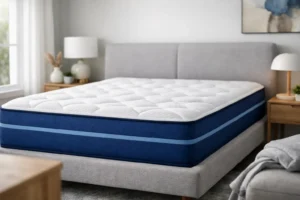
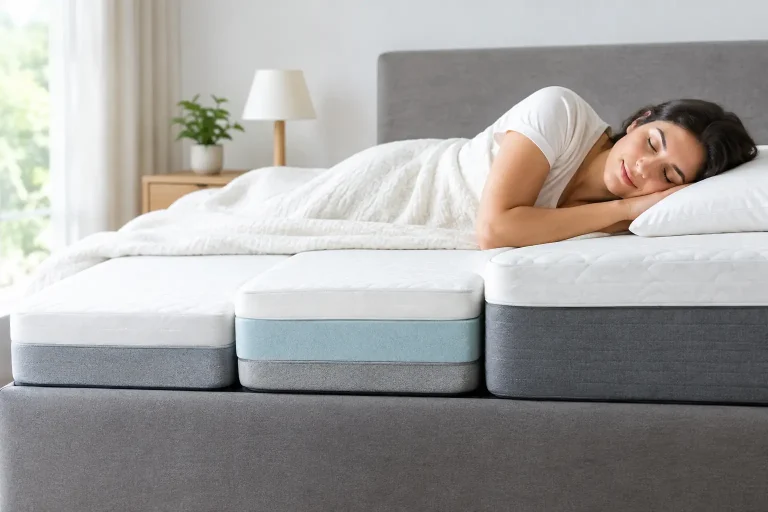
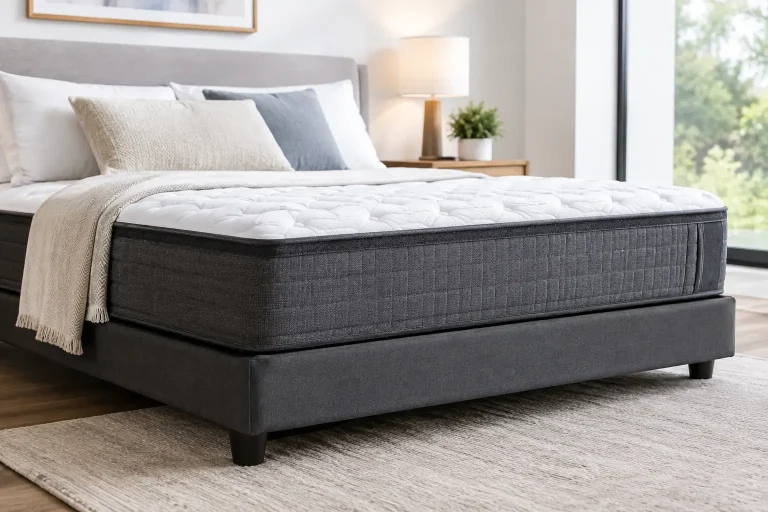
A single latex slab can feel comfortable, but layered construction is where pressure relief becomes more precise. In a well-designed mattress, the latex comfort layer usually sits above more supportive transition and base components. Each layer has a job.
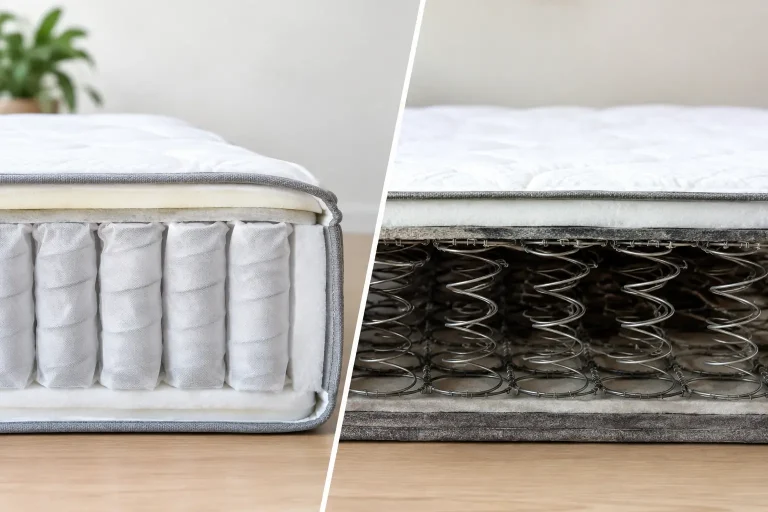
The top latex layer manages immediate contact pressure. This is the first surface your body meets, so it needs enough elasticity to cushion the shoulders, hips, and other high-load areas. Beneath that, transition layers help distribute weight before it reaches the support core. In a hybrid mattress, that core is often made of individually pocketed coils, which add pushback, support the spine, and reduce the kind of deep compression that can aggravate pain.
This is why pressure relief feels more complete in a quality hybrid than in a basic spring mattress. Traditional innersprings can create pressure points because the surface comfort materials are often thin and the coil response is less targeted. Latex over a structured support system creates a more graduated feel. You do not hit resistance too abruptly, and you do not collapse through the comfort layer either.
At Azure Mattress, this layered approach is central to performance. Latex does not have to do all the work alone. It works best when paired with support layers that keep the body level, stable, and cooler through the night.
How latex compares with memory foam for pressure relief
Memory foam is often the first material people think of for pressure relief, and for some sleepers it does work well. It closely contours around the body and can reduce peak pressure at contact points. But there is a trade-off. Because memory foam responds more slowly and tends to let the body sink deeper, some sleepers experience heat buildup, restricted movement, or a feeling of being stuck.
Latex usually feels more buoyant. It still cushions pressure points, but it does so with more lift and faster recovery. For sleepers with back pain, joint stiffness, or frequent position changes, that can be a major advantage. You get contouring without losing mobility.
It depends on what kind of pressure relief you prefer. If you want a deeply cradled feel, memory foam may seem softer at first contact. If you want pressure relief that also feels supportive, breathable, and easier to move on, latex often has the edge. For many adults upgrading from a standard spring bed, latex feels like the more balanced option because it combines comfort with control.
Pressure relief is not the same for every body type
This is where mattress shopping gets more nuanced. The way latex performs depends on your weight, sleep position, and sensitivity to firmness.
Lighter sleepers may need a slightly softer latex comfort layer to get enough contouring at the shoulders and hips. If the surface is too firm, they may float on top of the mattress without getting meaningful pressure relief. Heavier sleepers often need a design with stronger support underneath the latex so the body does not sink too far and create misalignment.
Couples can have mixed needs. One person may want extra cushioning around the shoulders, while the other is more concerned with lumbar support or motion isolation. In these cases, latex works well because it reduces pressure without the overly dramatic sink that can make shared sleep surfaces feel unstable. When combined with pocketed coils, it can also help contain movement better than older connected spring systems.
That is why the best question is not whether latex relieves pressure. It does. The better question is how the latex layer is tuned within the full mattress design.
Why cooler pressure relief matters
A mattress that relieves pressure but sleeps hot can still disrupt recovery. Heat causes tossing, shallow sleep, and repeated wake-ups, especially for people already dealing with pain or stiffness. Latex has an advantage here because it generally allows better airflow than dense conventional foams.
That does not mean every latex mattress automatically sleeps cool. Cover materials, transition foams, coil airflow, and room conditions all matter. But in a breathable hybrid design, latex supports a cooler surface feel while still cushioning the body. That is a meaningful combination because the body recovers best when it is not fighting pressure points and overheating at the same time.
For adults dealing with shoulder pain, lower back tension, or restless sleep next to a partner, this pairing of pressure relief and temperature regulation is often what makes the upgrade feel real after the first week, not just the first five minutes.
What to look for if pressure relief is your priority
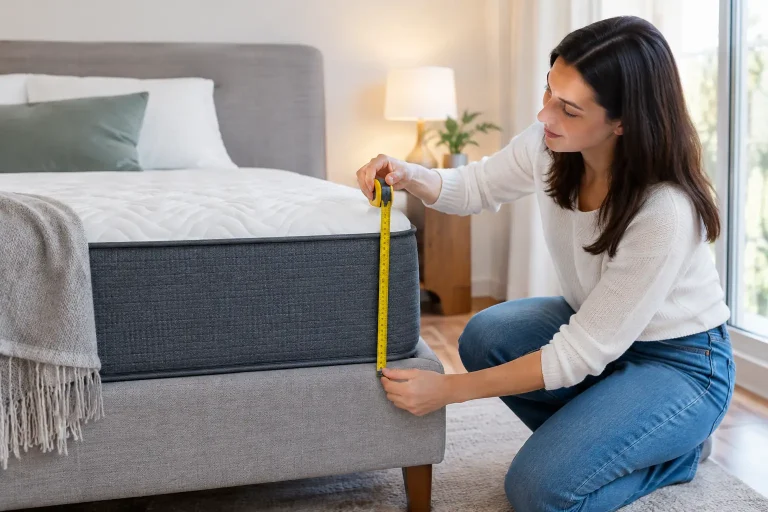
If pressure relief is at the top of your list, focus less on generic words like plush or orthopedic and more on how the mattress is built. Ask whether the latex layer is thick enough to cushion key pressure points. Check what sits underneath it. A strong support core matters because unsupported softness can create new pain instead of solving old pain.
It also helps to think about your main sleep complaint. If your shoulders go numb, you likely need better surface contouring. If your lower back feels strained, support and alignment are probably just as important as softness. If you sleep hot and toss all night, a responsive latex hybrid may solve more than one problem at once.
The best mattresses do not force you to choose between comfort and support. They engineer both into the same sleep surface. That is why latex continues to stand out. It relieves pressure in a way that feels active, balanced, and durable, which is exactly what most adults need when their current mattress is leaving them sore in the morning.
A good night’s sleep should feel restorative, not like your body spent eight hours fighting the bed. When latex layers are built into the right mattress design, pressure relief stops being a vague promise and starts feeling like less stiffness, fewer wake-ups, and a body that settles faster into rest.