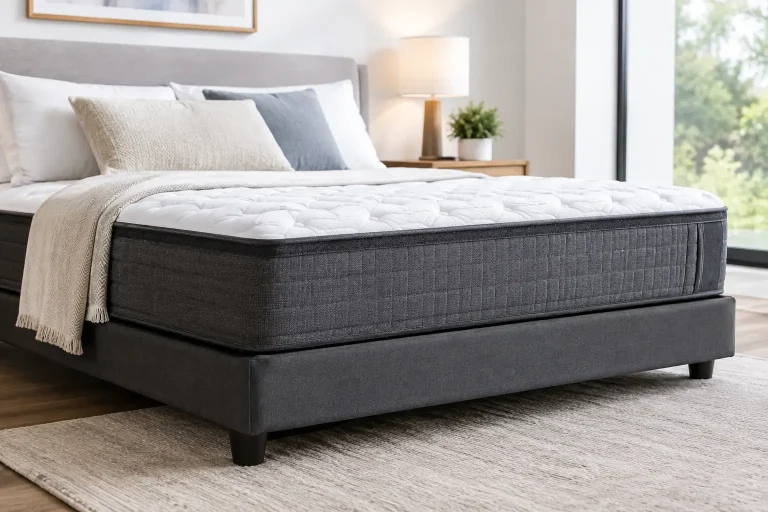
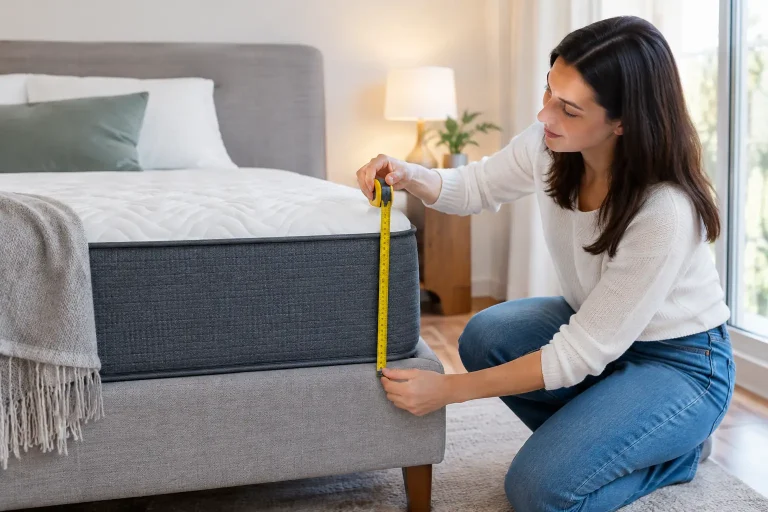
An adjustable base can fix a problem a standard bed frame never will. If you wake up with pressure in your lower back, numb shoulders, swollen legs, or a partner’s movement pulling you out of sleep, changing your sleep position can make a real difference. But the best mattress for adjustable base performance is not just flexible. It also has to keep your spine supported while the base bends underneath it.
That is where many mattresses fall short. A mattress may feel soft in a showroom or supportive on a flat platform, yet lose shape, bunch up, or create pressure points when the head or feet are elevated. If you are buying for pain relief, cooler sleep, and less motion transfer, the mattress matters just as much as the base.
What makes the best mattress for adjustable base use?
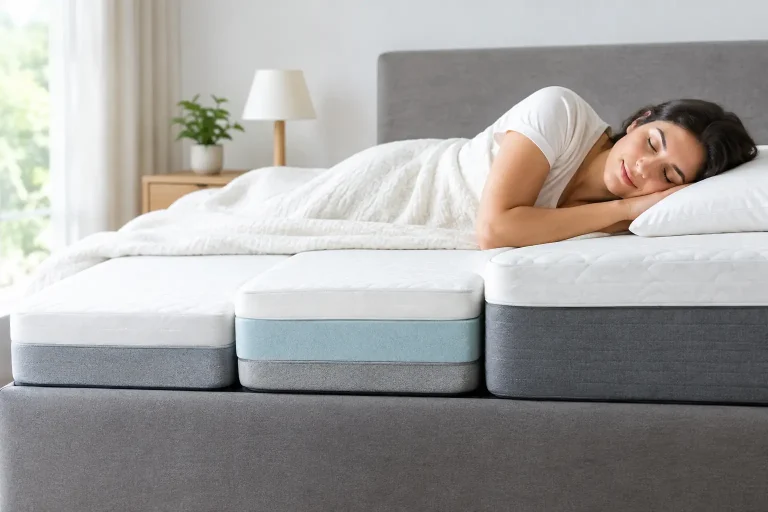
The first requirement is responsiveness. When the base lifts, the mattress should bend smoothly without fighting the frame. If it is too rigid, you can end up with awkward gaps, uneven support, or faster material breakdown. If it is too soft, your body may sag through the comfort layers and lose proper alignment.
The sweet spot is usually a well-built hybrid or foam mattress with enough flexibility to articulate and enough structure to keep the hips, lumbar area, and shoulders supported. This balance is especially important for adults dealing with stiffness, back pain, or side-sleep pressure.
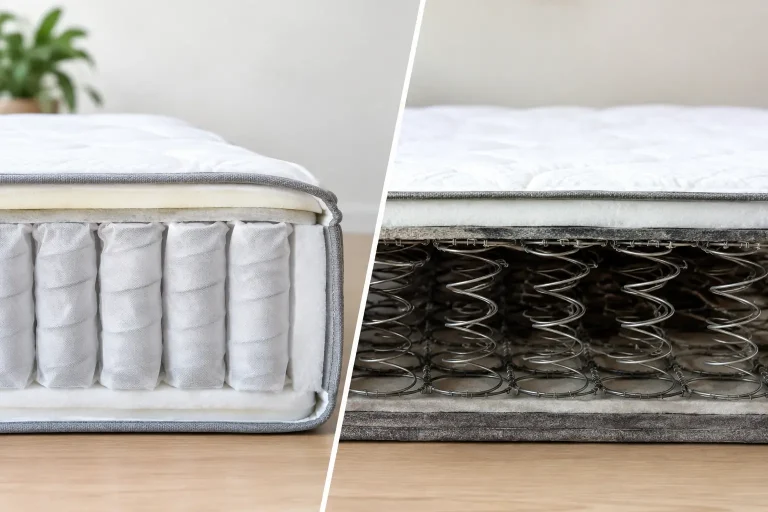
Material choice matters here. Traditional connected spring systems are often a poor match because they resist movement and can transfer force unevenly when the base changes position. By contrast, individually pocketed coils adapt more cleanly and help the mattress move in sections instead of as one rigid piece. Add pressure-relieving foams or latex on top, and you get a surface that can contour without collapsing.
Why hybrids are often the best mattress for adjustable base buyers
For most sleepers, a hybrid hits the strongest balance of comfort engineering and practical performance. You get contouring from the upper layers and pushback support from the coil core. That combination works well on adjustable bases because it helps the mattress flex while still supporting heavier areas of the body.
This is also why hybrids tend to appeal to couples and working adults who are shopping to solve a problem, not just replace an old bed. If one person needs elevation for snoring or pressure relief while both people still want stable support, a hybrid usually performs more predictably than a very soft all-foam model.
Latex hybrids are especially compelling if durability and responsiveness are priorities. Latex naturally rebounds faster than many memory foams, so the mattress adjusts to base movement without that stuck-in-the-bed feeling. Cooling gel foams can also help if overheating is part of the problem, which it often is once more of the mattress surface is in contact with your body in elevated positions.
The features that actually matter
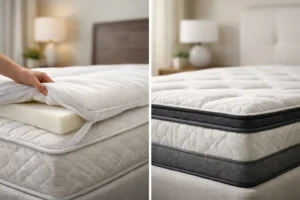
When shoppers compare mattresses for adjustable bases, they often focus on thickness first. Thickness does matter, but not in the simplistic way many people assume. Extremely thick mattresses can be too bulky to articulate well, while very thin ones may not provide enough pressure relief or support. In most cases, a medium-profile mattress with balanced layers is easier for the base to move and easier for the sleeper to trust night after night.
Construction quality is even more important. Look for a mattress built with pressure-relieving comfort layers, a stable transition layer, and a support core that can bend without warping. Pocket springs are a strong sign because they help with both spinal alignment and motion isolation. That means less bounce across the bed and less disturbance when your partner changes position or adjusts the base.
Cooling performance should not be treated as a bonus feature. Elevation can improve comfort, but if the mattress traps heat, sleep quality still suffers. Breathable covers, ventilated latex, airflow through the coil layer, and cooling gel foams all contribute to a more temperature-regulated surface.
Certifications matter too, especially if you are investing in a premium mattress and expect years of use. Materials backed by standards like Oeko-Tex and CertiPUR-US provide reassurance around quality and emissions. For many shoppers, that credibility is part of what separates a true sleep upgrade from a mattress that only sounds technical in the product description.
Matching mattress feel to your sleep position
There is no single feel that works for everyone, even when the adjustable base is the same. The right firmness depends on how you sleep and what kind of discomfort you are trying to reduce.
Side sleepers usually do better with a medium or medium-soft feel that allows the shoulder and hip to settle in without forcing the spine out of line. On an adjustable base, this can feel especially comfortable in a slightly elevated position, but only if the mattress has enough support underneath the pressure-relieving layers.
Back sleepers tend to need a medium-firm feel with strong lumbar support. If the mattress is too soft, the pelvis drops and the lower back takes the strain. If it is too firm, the body does not contour well when the base raises the upper body or legs.
Stomach sleepers are the trickiest. Many adjustable base positions are less natural for stomach sleeping, so the mattress needs to resist excessive sink. A firmer hybrid is often the safer choice here, though many stomach sleepers eventually shift toward back or side positions once they start using elevation settings regularly.
Where people make the wrong choice
A common mistake is assuming any foam mattress is automatically adjustable-base friendly. Flexibility alone is not enough. If the foam is low-density or poorly layered, it may bend easily at first and then develop weak spots, body impressions, or unstable support.
Another mistake is choosing based only on softness. Adjustable bases are often marketed with a luxury comfort angle, so buyers chase a plush feel and end up with a mattress that lacks spinal support. That can make shoulder or hip pressure feel better for a week while lower back pain gets worse over time.
There is also the issue of motion control. Many couples buy an adjustable base to improve sleep quality, but if the mattress still transfers movement, one partner’s position change can still disturb the other. A structured hybrid with individually pocketed springs and quality comfort layers usually performs much better than a basic innerspring in this area.
What to look for if pain relief is the goal
If your main reason for buying is back pain, joint stiffness, or recovery after long workdays, the mattress should be chosen as a support system, not a soft surface. You want pressure relief at the top, but the real job is keeping your spine in a healthier line while the base shifts your body into a more restorative posture.
That means looking for targeted support through the center third of the mattress, resilient comfort layers that cushion without flattening, and a support core that reduces motion instead of amplifying it. A hybrid design with latex or cooling gel foam over pocket springs is often the strongest fit because it addresses all three major sleep disruptors at once – pain, partner movement, and heat.
This is where a performance-focused brand like Azure Mattress makes sense. The strongest adjustable-base mattresses are not built around fluff or trend claims. They are built around measurable sleep outcomes: pressure relief for joints, structured support for alignment, and better airflow so deeper sleep is easier to maintain.
The smartest way to shop
Start with your problem, not the promotion. If your issue is lower back tension, prioritize support and alignment. If it is shoulder pressure, look closely at comfort-layer responsiveness. If your partner keeps waking you up, motion isolation should move higher on your list.
Then check the practical details that reduce purchase risk. A solid warranty, an in-home trial or return policy, and clear material specs are all worth paying attention to. Adjustable-base compatibility should not be vague. The mattress should be clearly designed to flex, recover shape, and maintain support over time.
Price matters, but value matters more. A cheap mattress that bends well for six months is not a good deal if it starts sagging where your body needs support most. A better-built hybrid may cost more upfront, but if it delivers cooler sleep, less disturbance, and more consistent pain relief, the return is felt every morning.
The best mattress for adjustable base comfort is the one that keeps working after the novelty wears off. When your mattress can flex without losing support, cushion without trapping heat, and isolate movement without feeling dead, your adjustable base becomes more than a feature. It becomes part of a sleep setup that helps your body recover the way it should.