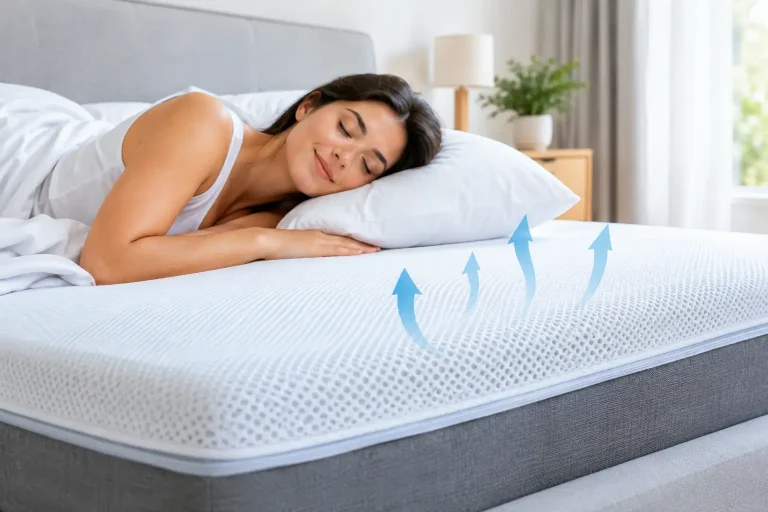
You wake up at 2:17 a.m., one leg kicked out, sheets tangled, pillow warm on both sides. If that sounds familiar, you are not “just a hot sleeper.” Most overheating comes from a mattress that traps body heat and humidity right where you need cooling the most – at your shoulders, lower back, and hips.
The best mattress for hot sleepers is not the one with the loudest “cooling” label. It is the one built to move heat away from your body, release moisture, and keep your spine supported so you are not sinking into a heat pocket all night.
What actually makes you sleep hot
Your body cools down to fall asleep and stay asleep. When a mattress holds onto heat, it interrupts that drop in core temperature. The result is restless sleep, more wake-ups, and that frustrating cycle of flipping the pillow and searching for a cooler spot.
Overheating is usually a combination of temperature and pressure. When you sink too deeply, airflow around your body drops. When foam compresses and hugs tightly, it can hold warmth and humidity close to the skin. If you share a bed, a mattress that can’t isolate motion can also keep you in lighter sleep, which makes you more sensitive to heat spikes.
So the “hot sleeper” fix is rarely one feature. It is a full build: breathable materials at the top, responsive comfort layers that do not smother you, and a support core that keeps you lifted and aligned.
Best mattress for hot sleepers: the cooling checklist that matters
Cooling marketing can get vague fast. Focus on these engineering signals instead.
1) Airflow through the support core
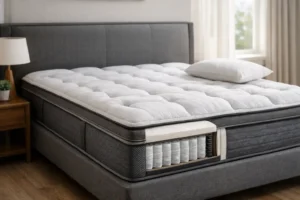
If you want cooler sleep, you want air movement. An individually pocketed coil system is one of the most reliable ways to increase airflow because there is open space between springs. Compared with a solid foam core, coils give heat somewhere to go.
There is also a comfort benefit. Pocket springs support your weight without letting you sink into one deep, compressed area. Less sink can mean less heat buildup – especially for back and stomach sleepers.
2) Responsive comfort layers that don’t trap you
Some foams contour beautifully but can feel like they are holding your body in place. That “stuck” feeling is often the same environment where heat lingers.
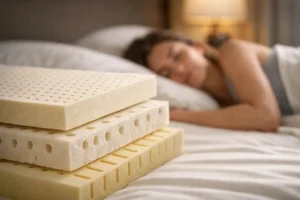
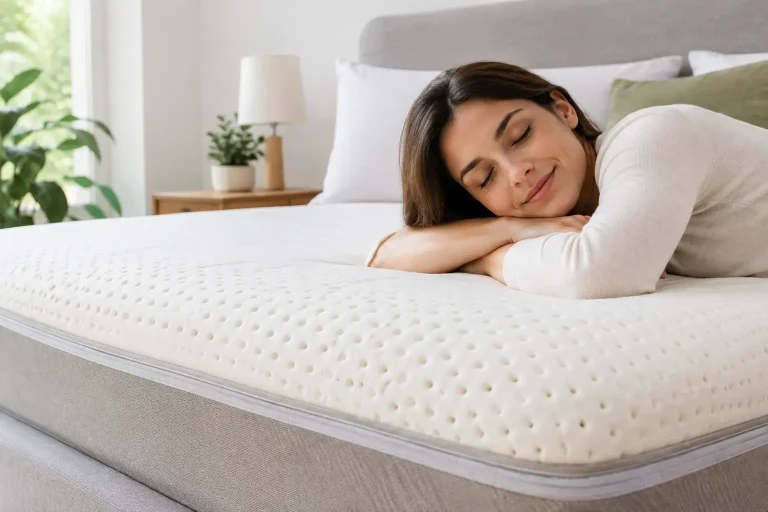
Latex is a strong option for hot sleepers because it is naturally responsive and tends to sleep more breathable than many traditional foams. It pushes back gently, which helps keep you closer to the surface and reduces that wrapped-in-foam sensation.
If you like a plusher feel, look for comfort layers designed to relieve pressure without collapsing. The goal is “cradled, not swallowed.”
3) Cooling gel foam: helpful, but not magic
Cooling gel foams can help manage surface warmth, especially in the first part of the night. The trade-off is that gel alone cannot fix a mattress that lacks airflow or has too much sink.
If you are a hot sleeper, treat gel as a supporting player, not the whole plan. Gel paired with a breathable coil core and a responsive layer above it is where the performance feels real.
4) A cover and quilt that don’t block breathability
The cover is the first thing your body touches, and it can either help heat dissipate or act like a barrier. Look for a fabric and quilting approach that feels cool-to-the-touch without being plastic-like. If a cover is heavily laminated or overly dense, it can slow airflow.
5) The right firmness for your sleep position
This is the overlooked cooling factor. Firmness affects how much of your body is pressed into the bed.
Side sleepers often need more pressure relief at the shoulders and hips. If the mattress is too firm, you may toss and turn, which can make overheating feel worse. If it is too soft, your torso can sink and trap heat.
Back sleepers usually do best with a medium to medium-firm feel that keeps the lumbar area supported. Stomach sleepers typically need firmer support to avoid hip sink, which can also reduce heat buildup.
If you are a combo sleeper, prioritize responsiveness. The easier it is to change positions, the less likely you are to stay stuck in a warm spot.
The most common cooling “solutions” that disappoint
Hot sleepers are often sold quick fixes. A few are fine, but they won’t overcome a heat-trapping mattress.
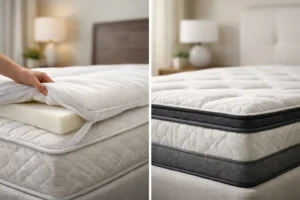
A cooling topper can change the surface feel, but it can also add another layer that holds heat, depending on material and thickness. It can be a smart move if your mattress is supportive but slightly warm, but it is rarely the answer if the core design is the problem.
“Breathable foam” claims can be slippery. Foams vary widely, and ventilation cutouts help, but a thick foam mattress can still retain warmth simply because of density and limited internal airflow.
Ultra-plush pillow tops can feel luxurious in a showroom but may compress overnight and hold heat. If you love plush, look for plushness built from resilient, breathable layers rather than heavy batting.
Choosing the best mattress for hot sleepers based on your body
Cooling performance is personal because your heat output, weight distribution, and sleep style all change how a mattress behaves.
If you are under 150 pounds, you may not sink as much, so you can get away with slightly more contouring. You still want breathability, but your priority might be pressure relief that keeps you relaxed and still.
If you are 150 to 230 pounds, you are in the range where material choice becomes obvious. Too-soft foams can compress and warm up, while a hybrid with supportive coils often stays more temperature-stable.
If you are over 230 pounds, look for strong support and durable comfort layers. When a mattress holds alignment, you get fewer wake-ups from discomfort. That matters because fragmented sleep makes your body more reactive to temperature changes.
For couples, cooling is only half the story. Motion isolation affects how deeply you sleep. A hybrid with individually pocketed coils can reduce partner disturbance while still allowing airflow. That combination is a big deal if one partner runs hot and the other is a light sleeper.
What “cool” should feel like at night
A truly cooling mattress does not feel cold all night. It feels stable.
You should feel like your body temperature settles instead of climbing. Your back should stay supported so you are not constantly shifting. And when you change position, you should not notice a dramatic heat difference from one spot to another.
If you test a mattress at home and you keep waking up sweaty in the same areas – usually mid-back, lower back, and hips – it is often a sign of too much sink or not enough airflow through the core.
A simple way to evaluate a mattress in 60 seconds
When you are shopping, ask yourself three direct questions.
First: Does this design create real airflow? A coil system usually does. A solid foam block usually does not.
Second: Will I sleep on top of it or in it? Hot sleepers usually do better with a slightly more “on top” feel, as long as pressure points are still cushioned.
Third: Does it keep my spine neutral? Cooling is easier when your body is not fighting the mattress for support. Alignment reduces tossing, and less movement helps your temperature stay even.
If you want a performance-built hybrid approach that targets cooling, support, and motion isolation together, Azure Mattress positions its designs around those outcomes with breathable pocketed coils and cooling-focused comfort layers.
Set your mattress up to sleep cooler
A great mattress can be sabotaged by the wrong setup. If you are overheating, make sure your foundation is not blocking airflow. A solid platform can sleep warmer than a slatted base with space for air movement, especially in humid climates.
Your protector matters too. Waterproof protectors can trap heat if they use thick films. If spills are a concern, look for a protector engineered to be breathable, and keep an eye on how it changes the surface feel.
Sheets are often the fastest win. Crisp, breathable fabrics can reduce that sticky feeling that wakes you up. If your mattress is already cooling well, bedding can be the difference between “better” and “finally comfortable.”
Room conditions still count. If your bedroom is warm and humid, a mattress can only do so much. But the right mattress will keep you from feeling like the heat is coming from underneath you.
A helpful closing thought: if you are shopping for the best mattress for hot sleepers, trust the build over the buzzwords. When airflow, responsive comfort, and spine support work together, cooler sleep stops being a nightly fight and starts feeling effortless.