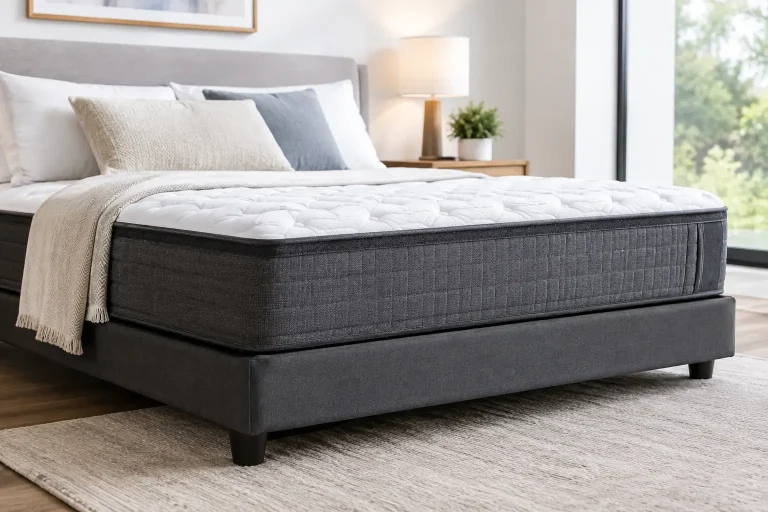
A mattress can relieve pressure at your shoulders, support your lower back, and sleep cooler than traditional foam – but none of those benefits matter if a material triggers an allergic reaction. So, is latex hypoallergenic? The accurate answer is: not automatically. Latex is often described as naturally resistant to dust mites and mold, which can make it a strong option for many allergy-conscious sleepers. However, natural latex can also contain proteins that cause reactions in people with a latex allergy.
That distinction matters when you are choosing a mattress for better recovery, less joint discomfort, and more peaceful sleep. “Hypoallergenic” is a useful starting point, not a guarantee that a material is safe for every person.
Is Latex Hypoallergenic? It Depends on the Allergy
Latex foam used in mattresses comes from the sap of the rubber tree or from synthetic materials designed to mimic some of latex’s responsive feel. Natural latex has a buoyant, pressure-relieving quality that helps the body stay supported rather than sink too deeply. It is also an open-cell material, so air can move through it more easily than through many dense foams.
For people whose symptoms are linked to common bedroom allergens, latex can be appealing. Quality latex is generally less hospitable to dust mites, mildew, and mold than materials that hold more moisture. Since dust-mite allergens can contribute to sneezing, congestion, itchy eyes, and disrupted sleep, a cleaner-feeling sleep surface may support a more comfortable night.
But natural latex is not hypoallergenic in the universal sense. A person with a confirmed latex allergy may react to the proteins present in natural rubber latex. In that situation, a latex mattress, topper, or pillow should not be treated as a low-risk choice simply because it is marketed for allergy-conscious shoppers.
Why “Hypoallergenic” Can Be Misleading
In sleep products, hypoallergenic usually means a material is less likely to harbor or worsen certain common allergens. It does not mean the material cannot cause an allergy. It also does not mean every component in a mattress has been eliminated as a potential irritant.
A mattress is a system. Beyond the comfort layer, it may include fabric, adhesives, foam, fire barriers, quilting fibers, and a protective cover. Someone with sensitive skin or chemical sensitivities may react to a component other than the latex itself. That is why the most useful question is not just “Is this latex hypoallergenic?” It is “What am I allergic or sensitive to, and what materials will be closest to my skin and breathing zone each night?”
Certifications can provide valuable reassurance about material testing and emissions standards, but they are not a substitute for medical guidance. A certification does not mean a natural latex product is appropriate for someone with a diagnosed latex allergy.
Latex Allergy and Sensitivity Are Not the Same
The word “allergy” is often used broadly, but different reactions call for different decisions.
A true immediate latex allergy can involve the immune system reacting to natural rubber latex proteins. Symptoms may include hives, itching, swelling, a runny nose, wheezing, or, in severe cases, difficulty breathing. This requires medical attention and careful avoidance of natural latex.
Some people experience contact dermatitis instead. This is typically a delayed skin reaction that can be caused by chemicals used in rubber processing rather than the latex proteins themselves. Red, dry, itchy, or irritated skin after repeated contact may signal this type of sensitivity.
Others may simply find a new mattress uncomfortable because of odor, heat, or a fabric finish. That does not necessarily mean they have a latex allergy. The practical difference is significant: self-diagnosing can lead you to avoid a material that may otherwise suit your comfort needs, or worse, continue using a material that poses a genuine health risk.
If you have had a reaction to latex gloves, balloons, medical equipment, or rubber products, speak with an allergist before purchasing natural latex bedding. People with certain food allergies, including banana, avocado, kiwi, and chestnut allergies, may also be more likely to have latex sensitivity. An allergist can help determine whether natural latex should be avoided altogether.
Does a Mattress Cover Make Latex Safe?
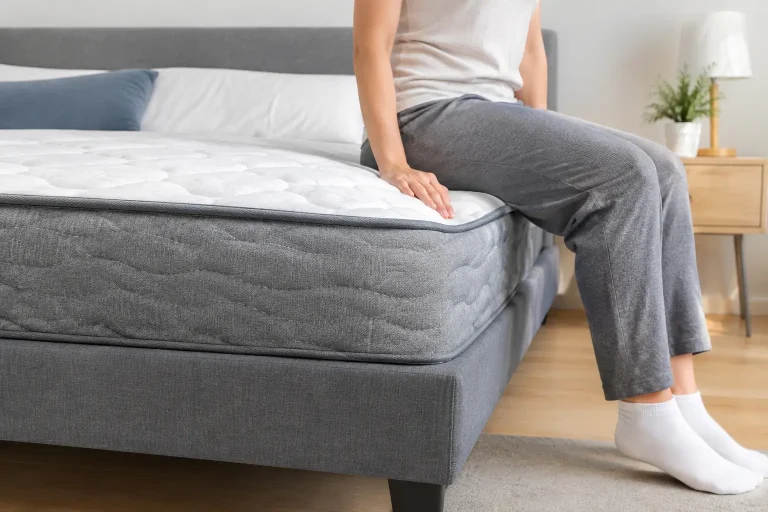
Most latex in a mattress is placed beneath layers of fabric, quilting, foam, or other comfort materials. This limits direct skin contact with the latex core. For a person without a latex allergy, that construction can be reassuring and practical.
For a person with a diagnosed latex allergy, however, an encased latex layer should not be assumed safe. Covers can wear, seams can open, and materials may be exposed during delivery, setup, moving, or mattress damage. The severity of the allergy and the specific product construction both matter.
The same caution applies to latex pillows and toppers. These accessories sit closer to the face and skin, so the decision deserves even more care. When there is a known allergy, choosing a latex-free alternative is generally the more confident path.
When Latex Can Be a Smart Mattress Material
If you do not have a latex allergy, latex can offer meaningful performance benefits for sleep. It has a responsive feel, meaning it contours around pressure points while gently pushing back to support alignment. That can be especially helpful for sleepers who wake with stiffness in the hips, shoulders, or lower back.
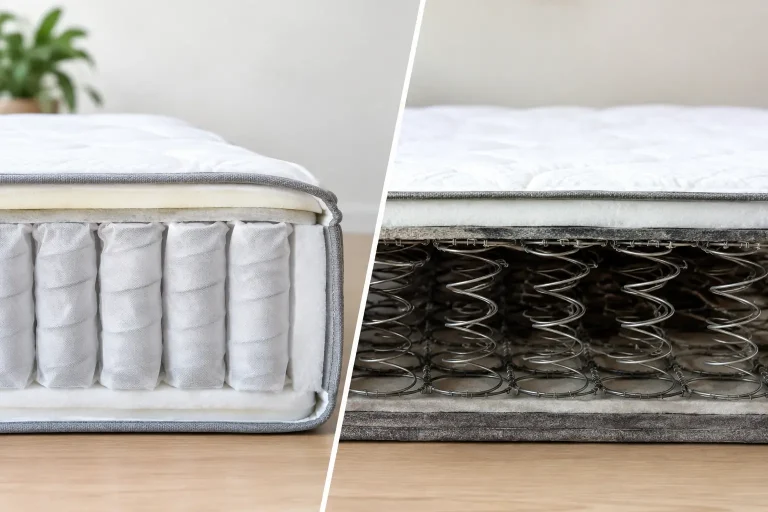
Unlike slow-moving memory foam, latex changes position with you more quickly. Combination sleepers may find it easier to turn over, while couples can appreciate a comfort layer that reduces pressure without creating a stuck-in-the-bed feeling. In a hybrid mattress, latex can work with individually pocketed coils to provide targeted support, airflow, and better motion control across the bed.
Latex also has trade-offs. Its buoyant feel is not for everyone, particularly sleepers who prefer the deep hug of memory foam. Natural latex mattresses can be heavier and often cost more upfront. And again, for anyone with latex allergy concerns, comfort performance should never outweigh safety.
How to Choose a Mattress When Allergies Are a Concern
Start with your medical history, not a marketing label. If you know you have a latex allergy, look for a mattress specifically made without natural latex. Ask the retailer or manufacturer for clear details about the comfort layers, cover, adhesives, and any latex content in the mattress.
If dust mites, pet dander, or seasonal allergies are your main concern, focus on the complete sleep environment. A breathable mattress can help manage moisture, but it works best alongside a washable protector, regularly laundered bedding, and a bedroom with controlled humidity. A mattress protector can also reduce the buildup of sweat, skin cells, and allergens in the sleep surface over time.
For sensitive sleepers, consider these practical checks before buying:
- Confirm whether the latex is natural, synthetic, or blended.
- Review the full material list, not only the headline comfort layer.
- Look for third-party certifications relevant to foam content and textile safety.
- Ask about the trial period and return policy before committing.
- Discuss known allergies with your doctor or allergist, especially after previous reactions.
These steps help you separate a mattress that sounds appealing from one that truly fits your health needs, comfort preferences, and long-term sleep goals.
Better Sleep Starts With the Right Material Match
Latex can be an excellent material for pressure relief, cooler airflow, and responsive support. For many sleepers, its resistance to common bedroom allergens makes it a sensible part of a healthier sleep setup. But “hypoallergenic” should never be read as “risk-free for everyone.”
If latex has never caused you problems, a thoughtfully designed latex hybrid may help create the balanced support your body needs for deeper, less interrupted rest. If you have a known or suspected latex allergy, choose a latex-free sleep system and get expert guidance before bringing natural latex into your bedroom. The right mattress should help you wake up restored, not leave you wondering what caused the discomfort.