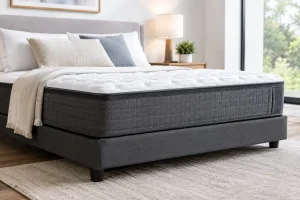
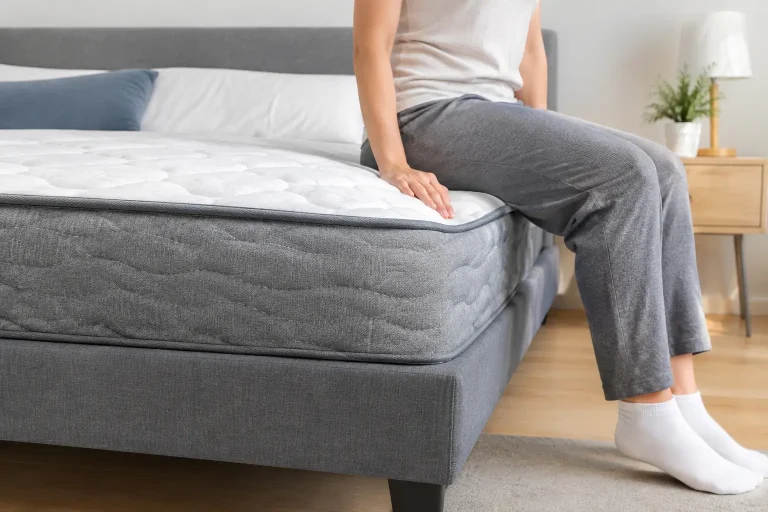
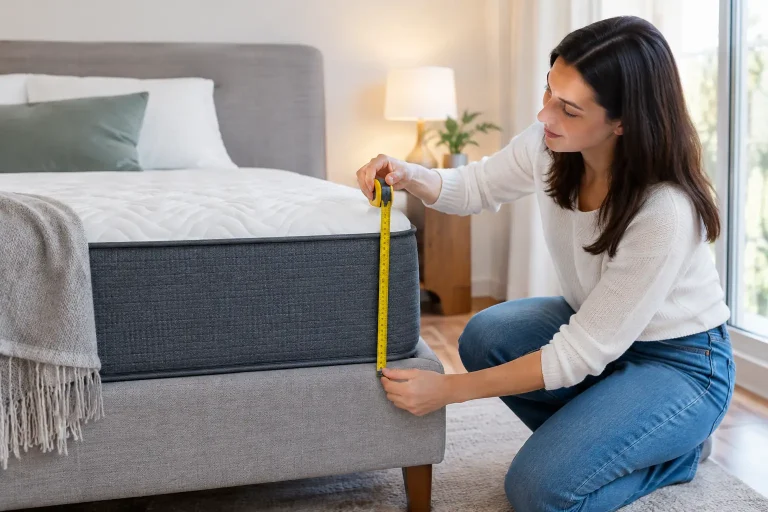
Waking up with sore hips, stiff shoulders, or aching knees usually means your mattress is no longer doing its job. The right orthopedic hybrid mattress for joint pain does more than feel comfortable for the first five minutes – it keeps your body aligned, relieves pressure where joints need it most, and helps you stay asleep instead of shifting all night.
That matters because joint pain is rarely caused by one single issue. For many adults, it is a combination of pressure buildup, poor spinal support, trapped heat, and motion disturbance. A mattress that looks soft in a showroom can still leave you waking up tight and unrested. A well-built hybrid is different. It is designed to distribute weight more evenly, support natural posture, and create a more stable sleep surface without feeling hard.
Why an orthopedic hybrid mattress for joint pain works
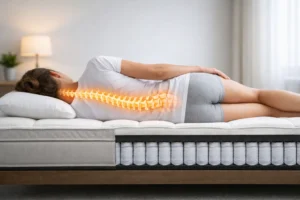
Joint pain tends to get worse when the body sinks unevenly. If your hips drop too far or your shoulders take too much pressure, your spine can fall out of neutral alignment. That strain does not stay in your back alone. It can travel into your neck, shoulders, knees, and even ankles, especially if you already deal with inflammation or stiffness.
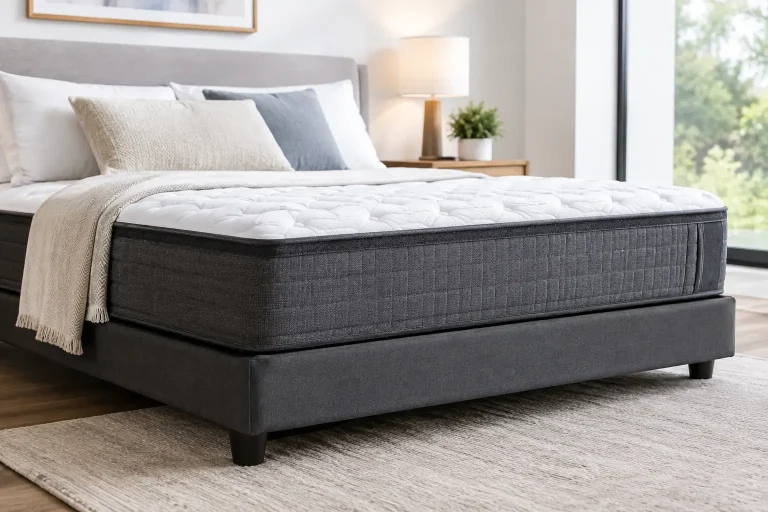
An orthopedic hybrid mattress addresses that problem by combining pressure-relieving comfort layers with a structured support core. Instead of relying only on foam or only on springs, it uses both systems for different jobs. The upper layers cushion sensitive areas. The coil layer underneath keeps the body lifted and supported.
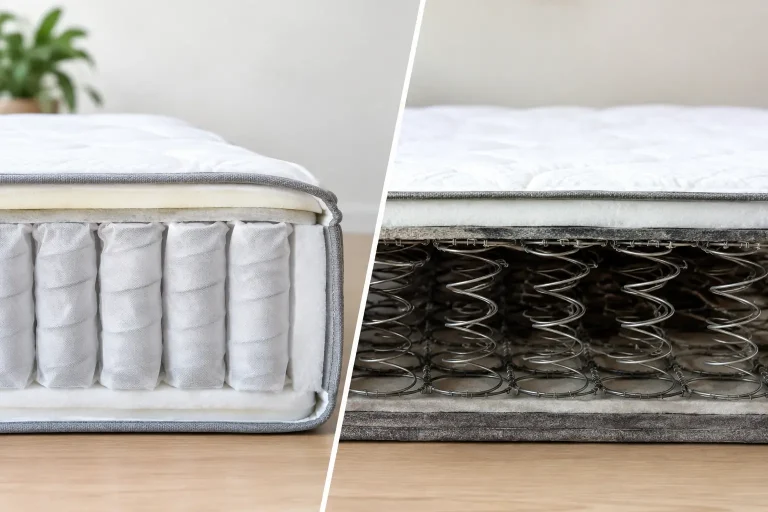
This balance is what makes hybrids especially useful for people with joint discomfort. Traditional spring mattresses can feel too rigid and create pressure points. All-foam beds may feel plush at first but can allow too much sink, especially through the midsection. A hybrid sits in the middle, which is often where pain relief and practical support meet.
What actually helps sore joints at night
When people shop for pain relief, they often focus on firmness alone. But firmness is only one part of the equation. A mattress can be labeled medium-firm and still perform poorly if the materials compress too quickly or fail to support the heavier parts of the body.
What matters more is how the mattress responds under pressure. For joint pain, the best designs usually include a comfort layer that eases stress on the shoulders and hips, followed by a transitional layer that prevents bottoming out, and then a spring system that keeps the spine properly supported. This is where hybrid construction stands out.
Latex is especially valuable in this setup because it has a buoyant, responsive feel. It cushions pressure points without that stuck-in-the-bed sensation some memory foams create. Cooling gel foams can also help by adding contouring while limiting heat retention. Individually pocketed coils then provide targeted support, adapting to movement without turning the whole mattress into a noisy, unstable surface.
If you sleep with a partner, this matters even more. Repeated motion transfer can interrupt deep sleep, and poor sleep tends to amplify pain perception. Less disturbance often means more complete muscle relaxation and better overnight recovery.
The materials that make the biggest difference
Not all hybrids are built for pain relief. Some are simply standard mattresses with a marketing-heavy label. If joint support is your priority, you want to look beyond buzzwords and focus on what each layer is doing.
A responsive latex layer can help reduce pressure buildup while keeping the surface supportive rather than saggy. High-quality comfort foams add contour where joints need cushioning. A structured pocket spring system creates the kind of pushback that keeps your body in a healthier sleeping position.
Temperature regulation is not just a comfort feature either. Overheating causes more tossing, more interrupted sleep, and more time spent in awkward positions. That is why breathable layers and airflow through the coil system are worth paying attention to. If you already wake up sore, sleeping hot usually makes the entire experience worse.
Certifications also play a practical role. Materials such as Oeko-Tex and CertiPUR-US certified foams provide reassurance that the components meet established standards. For many shoppers, that is part of buying with confidence, especially when upgrading from a basic mattress that offered little more than surface softness.
How to choose the right feel for your body
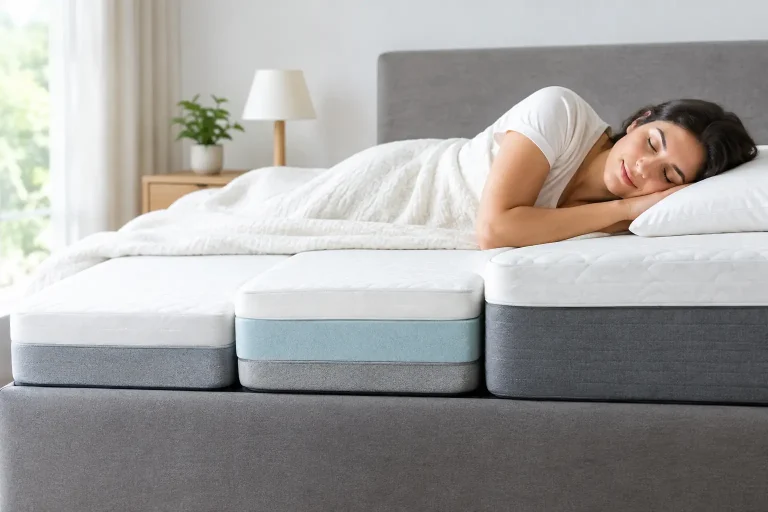
There is no single firmness that works for every person with joint pain. Body weight, sleep position, and where you feel discomfort all change what “supportive” should feel like.
Side sleepers usually need more pressure relief around the shoulders and hips. If the mattress is too firm, those joints take the full load. If it is too soft, the spine can curve out of alignment. A medium to medium-firm hybrid often hits the right balance.
Back sleepers usually do best with a slightly firmer feel that supports the lower back while still allowing gentle contouring. The goal is not a hard surface. The goal is even support with enough cushioning to avoid pressure concentration.
Stomach sleepers with joint pain have a narrower comfort window. Too much softness can push the pelvis down and strain the lower back. In many cases, a firmer hybrid with resilient comfort layers is the safer choice.
Heavier sleepers often need stronger coil support and more durable materials to prevent excessive sink over time. Lighter sleepers may feel best on a slightly softer surface because they do not compress the upper layers as deeply. This is why mattress performance matters more than simple category labels.
What couples should look for in an orthopedic hybrid mattress for joint pain
If one person is dealing with joint pain and the other is a light sleeper, the mattress has to solve more than one problem at once. It needs pressure relief, support, and motion isolation without sleeping hot.
A good hybrid handles this better than many people expect. Individually pocketed coils respond to pressure locally rather than across the whole bed, which helps reduce movement from one side to the other. Well-designed comfort layers absorb surface motion so you are not feeling every turn or midnight bathroom trip.
This matters because broken sleep can make morning stiffness feel worse. Pain relief is not only about how the mattress supports your body at rest. It is also about how consistently it lets you stay asleep.
For couples, edge support is worth considering too. If the perimeter collapses easily, both sleepers may drift toward the center or avoid using the full surface. A stable edge makes the bed feel larger and more secure, especially for shared sleep.
When a mattress helps – and when it cannot fix the whole problem
A mattress can improve support, reduce pressure, and help create better sleep conditions. It cannot diagnose arthritis, repair an injury, or replace medical care. That distinction matters.
Still, sleep surfaces have a direct effect on how your body handles recovery. If you are spending seven to eight hours each night on a mattress that creates misalignment and pressure points, your joints are not getting a fair chance to rest. Improving the sleep environment is often one of the most practical steps you can take.
It is also worth being honest about the adjustment period. If you have been sleeping on an old sagging bed, a supportive hybrid may feel different at first. That does not automatically mean it is too firm. In many cases, your body needs a short period to adapt to better alignment.
What to expect from a well-designed hybrid
A strong orthopedic hybrid should feel supportive from the first night, but its real value shows up over time. You should notice less pressure when lying on your side, more stability through the hips and lower back, and fewer wake-ups caused by heat or movement.
Durability matters here. Pain relief should not disappear after a few months of use. Premium materials, reinforced support, and thoughtful layering help the mattress maintain its performance rather than softening into the same problems you were trying to escape.
That is why a research-backed hybrid mattress tends to outperform basic spring models for adults who want measurable improvements, not vague comfort claims. At Azure Mattress, that design philosophy centers on three outcomes that matter every night – pressure-relieving comfort, spine and joint support, and cooler, less interrupted sleep.
If your current mattress leaves you planning your morning around stiffness, do not treat that as normal. The right support system should help your body settle, recover, and wake up with less resistance – and that can change a lot more than your sleep.