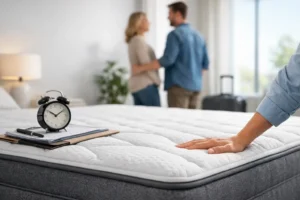
A mattress can feel soft in the showroom and still leave you reaching for your lower back by morning. That is why an orthopedic mattress buying guide should focus on what happens over eight hours: whether your spine stays supported, your shoulders and hips can relax, and your sleep remains cool and uninterrupted.
The right orthopedic mattress is not automatically the firmest one. It is the one that keeps your body in a more natural, neutral position while reducing pressure at the areas that carry the most load. For people waking with stiffness, joint discomfort, or the feeling that they have slept without truly recovering, construction matters far more than marketing labels.
What an Orthopedic Mattress Should Actually Do
Orthopedic support is about balance. Your mattress needs enough structure to prevent your hips from dropping too far, while offering enough cushioning to avoid pressing hard against your shoulders, lower back, knees, and hips.
A supportive bed should help maintain the natural curve of your spine. On a mattress that is too soft, the heavier parts of the body can sink deeply and pull the spine out of alignment. On one that is too hard, the body may stay elevated but pressure can build around the shoulders and hips. Either extreme can lead to tossing, turning, numbness, or morning aches.
For most adults, especially back and combination sleepers, a medium-firm feel is a practical starting point. It usually provides the stable surface needed for alignment without creating the rigid feel of a basic spring mattress. Still, body weight, sleeping position, and personal sensitivity to pressure should guide the final choice.
Support and pressure relief are different jobs
A mattress can be supportive without feeling comfortable, and comfortable without being supportive. The best orthopedic designs combine both.
Support comes from the deeper structure, often a pocketed coil system or high-density support foam. This is what helps distribute body weight and keeps the midsection from sinking unevenly. Pressure relief comes from comfort layers such as latex, responsive foam, or cooling gel foam. These materials contour around the body’s curves, reducing pressure where you need it most.
When both layers work together, your body feels gently cushioned while your spine stays on a steadier plane. That is the difference between simply lying down and waking up feeling more restored.
Orthopedic Mattress Buying Guide: Choose Construction First
Before comparing mattress names or promotions, look at what is inside. A quality hybrid mattress is often a strong choice for buyers seeking orthopedic support because it combines responsive comfort layers with individually pocketed springs.
Pocketed coils move independently rather than acting like one connected spring unit. This allows the mattress to respond more precisely to different areas of your body. Your shoulders can settle into the surface while your lumbar area remains supported. The coil structure also promotes airflow, which is valuable for people who wake up warm.
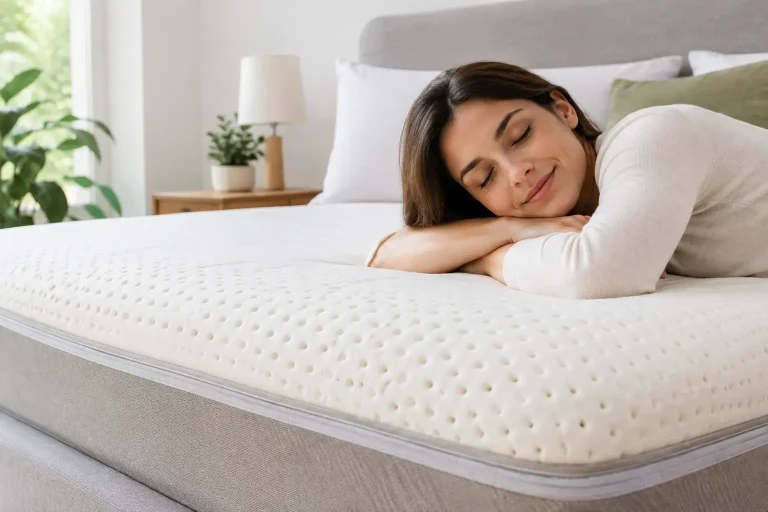
Latex is another material worth considering. It has a naturally buoyant feel, so it relieves pressure without creating the deep, slow sink some sleepers dislike in traditional memory foam. Latex can be especially appealing for combination sleepers who change positions during the night and want comfort without feeling trapped in the mattress.
Cooling gel foam adds contouring comfort while helping manage heat buildup. Foam quality matters here. Look for materials with clear safety standards, such as CertiPUR-US certification, and fabrics or components tested for harmful substances, including Oeko-Tex certified textiles. These details do not replace comfort testing, but they provide useful reassurance about the materials closest to your body.
A well-designed hybrid should feel layered with purpose: comfort on top, pressure relief beneath it, and stable support at the core. If a brand cannot explain the role of each layer, the mattress may be relying more on vague comfort claims than meaningful engineering.
Find the Firmness That Fits Your Sleep Position
Firmness is personal, but your usual sleep position gives you a useful framework.
Side sleepers generally need more cushioning around the shoulder and hip. A medium to medium-firm hybrid with responsive pressure-relieving layers can help keep the spine aligned without forcing those joints against a hard surface. If you are lighter in weight, a mattress may feel firmer to you than it does to a heavier sleeper, so extra comfort layers can be helpful.
Back sleepers often benefit from medium-firm support. The goal is to keep the lower back from collapsing into a gap or sinking too deeply. Zoned support, where the middle of the mattress has more resistance than the shoulder area, can be particularly useful for maintaining lumbar alignment.
Stomach sleepers typically need a firmer, flatter surface to prevent the hips from dipping. However, very firm does not have to mean unforgiving. A supportive hybrid with a modest comfort layer can keep the body level while still reducing strain on the chest and knees.
Combination sleepers should prioritize responsiveness. Latex and pocketed coils tend to make movement easier, while very slow-moving foams may feel restrictive when changing positions. There is no universal “best” firmness, but there is a clear goal: your body should feel supported in every position you naturally use.
Do Not Overlook Heat and Partner Disturbance
Pain relief is harder to achieve when your sleep is broken by overheating or a partner’s movement. These features are not extras for many households. They are part of the sleep system.
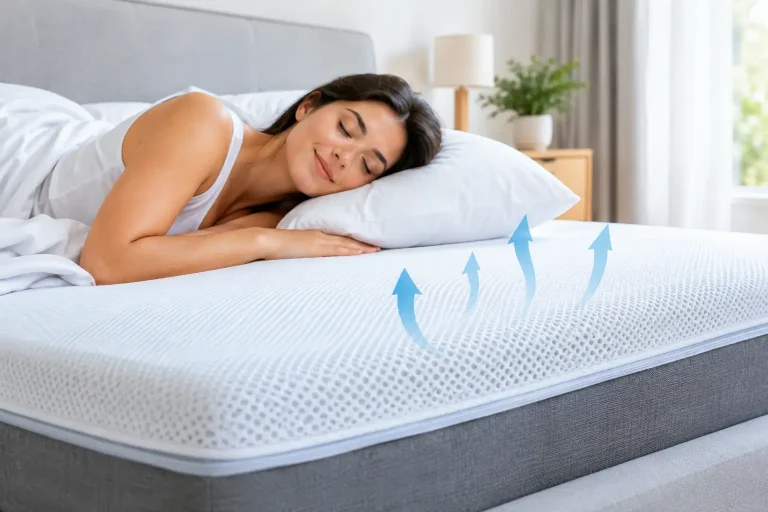
For hot sleepers, look beyond a cool-to-the-touch cover. Surface cooling can feel pleasant at bedtime, but airflow through the mattress is what helps throughout the night. Pocket springs create open channels for air circulation, while breathable latex and cooling gel foam can reduce heat retention. Dense all-foam beds may suit some people, but they can sleep warmer depending on their materials and room conditions.
For couples, motion isolation deserves equal attention. Individually pocketed springs and motion-absorbing foam layers can limit the ripple effect when one person gets up, turns over, or comes to bed later. This does not mean you will feel absolutely nothing, but a well-built hybrid can make a meaningful difference compared with traditional connected springs.
If one partner is much lighter or heavier than the other, test whether the mattress remains stable across both sides. A mattress should not pull both sleepers toward the center or make one person feel every movement from the other.
Questions to Ask Before You Buy
An orthopedic mattress is an investment in daily recovery, so purchase policies matter alongside construction. Online buying can be convenient, but only when the company gives you enough confidence to assess comfort at home.
Look closely at the trial or return policy, warranty coverage, delivery process, and whether the mattress is compatible with your existing foundation. A long warranty can be reassuring, yet it is not a promise that the feel will suit you. A reasonable home trial is valuable because your body needs more than one night to adjust to a new support system.
Also check the mattress height and edge support. A taller profile may be easier to get in and out of for some adults, while firm perimeter support can make the whole surface more usable for couples and provide extra stability when sitting at the edge. If mobility or joint comfort is a concern, these practical details can matter every day.
Finally, separate real value from a dramatic discount. A sale price is useful only if the materials, support system, and service policies meet your needs. Prioritize a mattress built for durable performance over one that simply has the loudest promotion.
Give Your Body Time to Adjust
Even a well-matched orthopedic mattress can feel different during the first several nights. Your body may be accustomed to sleeping out of alignment, particularly if your old mattress was sagging or excessively soft. Give the new surface time, while paying attention to patterns rather than judging it after one restless evening.
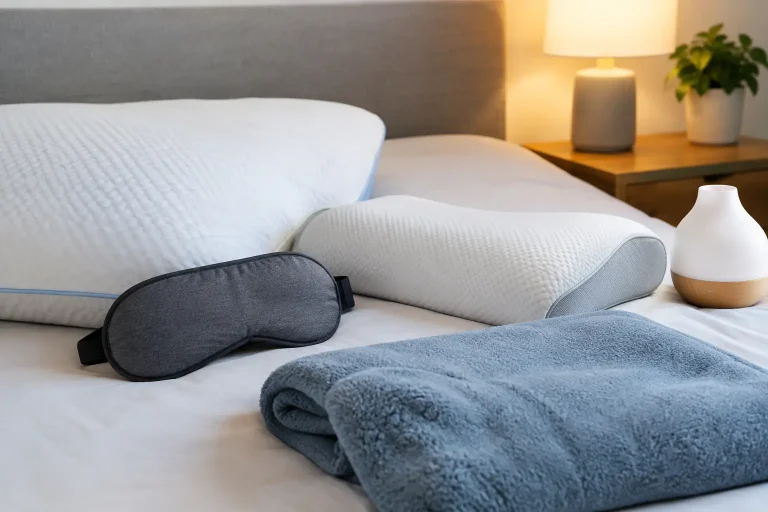
Use a supportive pillow as well. Mattress alignment begins at the shoulders but continues through the neck. A pillow that is too high or too flat can undermine the support your mattress provides.
The best choice is the mattress that lets you wake with less stiffness, fewer interruptions, and more confidence that your body has been properly supported. Choose for the way you sleep, not just the way a mattress feels for five minutes.