A mattress that feels flat, overheated, or unsupportive by morning rarely needs more decorative pillows. It needs better comfort engineering. The real mattress thickness benefits come from having enough room for pressure-relieving comfort layers, responsive support, and breathable materials to work together without compromising your spinal alignment.
Thickness alone does not make a mattress better. A tall bed built with low-quality foam can still sag, trap heat, and leave your lower back unsupported. But when height is used with purpose – combining cooling foams or latex, transition layers, and individually pocketed springs – it can make a noticeable difference in how rested your body feels when you wake up.
How Mattress Thickness Benefits Your Body
A mattress needs to cushion prominent areas such as the shoulders, hips, and knees while keeping the spine in a neutral, supported position. That balancing act requires layers with different jobs. A thicker mattress generally gives manufacturers more space to create those layers properly.
For side sleepers, this often means enough surface cushioning to let the shoulder and hip settle in slightly rather than being pushed upward. For back sleepers, it means contouring comfort without allowing the pelvis to sink too deeply. Stomach sleepers usually need a firmer, more stable surface, but they can still benefit from a thoughtfully built mattress that distributes pressure without creating a hammock effect.
The goal is not to sink as far as possible. The goal is to feel cradled at the surface and held steady underneath. When comfort layers are too thin, the body may meet the firm support core too quickly. When they are overly soft without adequate support below, the lower back can dip out of alignment. A well-designed thicker hybrid creates a more controlled transition between these two extremes.
More Room for Pressure Relief
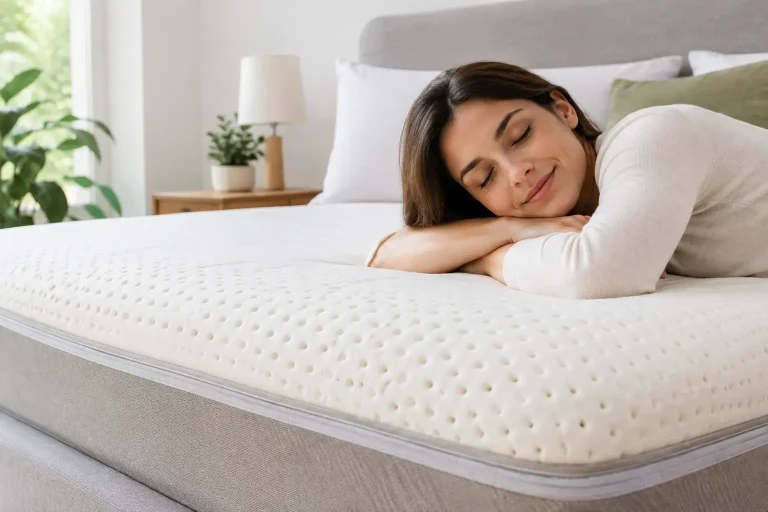
Pressure points are one reason people wake up shifting positions, with sore hips, numb arms, or a stiff shoulder. Thicker comfort systems can use multiple layers to distribute body weight more gradually. Latex offers buoyant pressure relief and quick response, while quality foam can contour around curves that need cushioning.
This can be particularly valuable for adults with joint discomfort, active lifestyles, or long workdays spent sitting. Your mattress should not make you feel stuck, yet it should reduce the concentrated pressure that interrupts deep, restorative sleep.
Stronger Support Through the Night
A mattress should support the heavier parts of your body without feeling hard at the surface. In a hybrid design, individually pocketed coils can provide targeted support across the mattress, responding to pressure independently rather than moving as one connected spring unit.
Thickness makes room for a substantial coil system beneath the comfort layers. The result is a more stable foundation for the lower back and hips, plus better edge support for sitting, getting dressed, or using the full width of the bed. For couples, this structure also helps each sleeper maintain a more consistent feel on their own side.
Thickness, Cooling, and a Less Restless Night
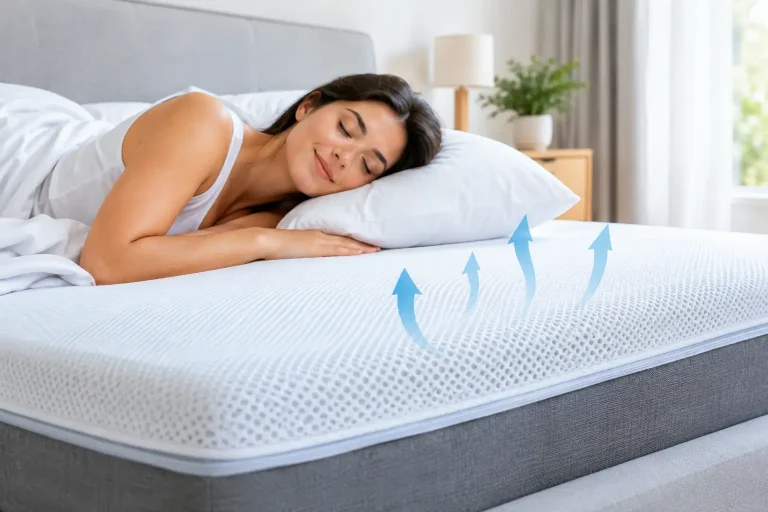
If you sleep hot, a thicker mattress is only helpful when its materials are breathable. Adding dense, heat-retaining foam simply creates a taller sleeping surface, not a cooler one. Construction matters more than the number printed on the spec sheet.
The best thicker hybrid mattresses use airflow as part of the design. Pocketed coils leave open space for air to circulate through the core. Latex is naturally more breathable than many traditional foams, and cooling gel foams can help manage the heat that builds up around the body. Together, these layers can reduce that uncomfortable warm, sticky feeling that causes you to throw off the covers at 3 a.m.
There is also a practical benefit: deeper comfort layers can help prevent you from bottoming out onto a denser support layer, where heat and pressure may feel more concentrated. Still, hot sleepers should look beyond thickness. A breathable cover, ventilated materials, and coil airflow are stronger cooling indicators than height alone.
Mattress Thickness Benefits for Couples
A partner getting in and out of bed should not have to become your alarm clock. Motion transfer is influenced by the mattress core, but layer depth can support better isolation when it is paired with independently moving pocket springs and responsive comfort materials.
In a basic interconnected spring mattress, movement can travel across the surface because the springs move together. Pocketed coils respond more locally, helping absorb movement near its source. Comfort layers above them further soften small vibrations from turning, shifting, or getting up early.
For couples with different body weights or sleep positions, a thicker hybrid can also offer a more forgiving comfort range. One partner may need shoulder relief while the other needs stronger lumbar support. The right construction can provide contouring at the surface and reliable pushback below, rather than forcing both people into the same overly firm or overly plush feel.
What Mattress Thickness Should You Choose?
For many adults, mattresses in the 10- to 14-inch range provide enough space for meaningful comfort and support layers. Within that range, however, the internal design matters far more than choosing the tallest model available.
A 10-inch mattress can be an excellent choice when it uses efficient, high-quality materials and suits a lighter sleeper or someone who prefers a firmer feel. A 12-inch or 13-inch hybrid often gives more room for a comfort system above a supportive coil base, making it a practical sweet spot for combination sleepers, couples, and people seeking pressure relief without losing support.
A 14-inch or thicker mattress may appeal to sleepers who enjoy a more substantial, cushioned feel, especially if they have broader shoulders, higher body weight, or recurring pressure-point discomfort. It can also make getting in and out of bed easier for some people because of its higher profile. However, extra height may require deep-pocket sheets and can feel too elevated on a tall bed frame.
Your body type, preferred sleep position, and existing bed setup all matter. A taller mattress is not automatically softer, and a thinner one is not automatically firmer. Always assess the materials, support system, and firmness level as a complete sleep system.
When Thickness Is Not the Answer
If your current mattress causes back pain, adding height without correcting the underlying support issue will not solve it. A thick all-foam mattress with weak edge support may still feel unstable. A tall pillow-top with soft materials that break down quickly may initially feel luxurious, then lose the alignment your body depends on.
Durability is another consideration. Quality foams, resilient latex, and a structured pocket spring system are more meaningful than a dramatic profile. Look for materials designed to retain their performance, along with recognized safety certifications such as CertiPUR-US and Oeko-Tex where applicable. These details speak to what is inside the mattress, not just how impressive it looks in a bedroom.
At Azure Mattress, hybrid construction is designed around the outcomes that matter most: pressure-relieving comfort, spine and joint support, and better temperature control. That is the standard worth using when you compare mattress height and materials.
Build the Right Bed Height for Your Routine
Remember to consider the complete bed height: mattress, foundation, and frame. Ideally, you should be able to sit on the edge with your feet comfortably on the floor and stand without excessive strain on your knees or hips. This is especially useful for people managing stiffness or joint discomfort.
Also check that your sheets, headboard, and frame are compatible with the mattress profile you choose. A high-quality mattress should improve your nights without creating small daily frustrations around making the bed or climbing into it.
Choose thickness as a sign of purposeful construction, not as a shortcut to comfort. When each layer has a clear role – cooling the surface, relieving pressure, isolating motion, and supporting alignment – your bed can help you wake up calmer, less stiff, and more ready for the day.