A great mattress is designed to support your spine, ease pressure around the shoulders and hips, and help you sleep cooler. A mattress protector is what helps keep those benefits working night after night. It creates a practical barrier between your body and the mattress, protecting the comfort layers from sweat, spills, skin oils, dust, and everyday accidents without changing the feel you paid for.
For couples, families, hot sleepers, and anyone investing in a high-performance hybrid mattress, this is not a small accessory. It is part of protecting your sleep environment and extending the useful life of the mattress beneath you.
What Does a Mattress Protector Actually Do?
A mattress protector is a removable fitted layer that sits directly over the mattress and underneath the fitted sheet. Its primary job is simple: keep moisture, debris, and allergens from reaching the mattress cover and internal materials.
Even when a mattress feels clean, it is exposed to more than visible spills. Overnight perspiration can pass through sheets over time. Lotions, body oils, pet dander, and accidental drinks can settle into the surface fabric. Once moisture reaches foam or padding, it is much harder to remove completely. It can also create odors, staining, and conditions that make a bed feel less fresh.
A well-made protector gives you a washable layer you can remove and clean regularly. That means the mattress itself receives less direct exposure to the things that gradually wear down a sleep surface.
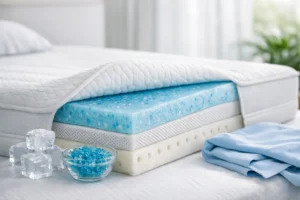
For a hybrid design, this matters. Latex, cooling foams, and comfort layers are engineered to deliver pressure relief and temperature control. Keeping them clean and dry helps preserve the experience: stable support, reduced heat buildup, and a healthier place to rest.
Mattress Protector vs. Mattress Pad
The names are often used interchangeably, but they serve different purposes.
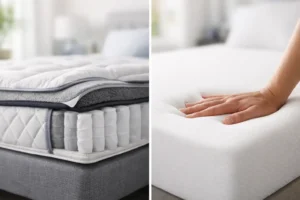
A mattress protector is primarily protective. It is usually thin, fitted, and designed to guard against moisture, allergens, and stains. A mattress pad adds a noticeable layer of cushioning, often with quilted fill. It may offer light protection, but many pads are not truly waterproof.
If your mattress already has the comfort and support you need, a slim protector is usually the better choice. It allows the mattress to perform as intended instead of adding extra softness that may affect spinal alignment or make a responsive surface feel less stable.
A pad can make sense when you want to adjust the feel of an older bed slightly. But for meaningful comfort changes, such as added pressure relief or a softer sleep surface, a purpose-built topper is generally a more effective solution. Protection and comfort adjustment are different jobs, and choosing the right layer for each prevents disappointment.
The Features That Matter Most
Not every protector feels the same. A cheap option can trap heat, crinkle when you move, or fit poorly around a deeper mattress. Look beyond the word “waterproof” and consider how the product will affect your sleep every night.
Waterproof protection without the plastic feel
The best waterproof protectors use a thin membrane beneath a soft fabric surface. This barrier is designed to stop liquids from penetrating while remaining flexible enough to move with the mattress.
A fully vinyl-style cover may offer strong liquid protection, but it can feel stiff, noisy, and warm. That trade-off can be especially frustrating if you chose a cooling mattress to manage overheating. A breathable waterproof layer is a better balance for most adults and couples: dependable defense without sacrificing comfort.
No protector is perfectly immune to every situation. Large spills should still be addressed quickly, and care instructions matter. But a quality waterproof barrier can prevent a small accident from becoming permanent damage.
Breathability for hot sleepers
If you wake up warm, fabric choice matters. Cotton, Tencel-derived fibers, and other moisture-managing textiles generally feel more breathable than dense synthetic surfaces. They help reduce the clammy sensation that can occur when heat and perspiration are trapped close to the body.
The protector should support your mattress’s cooling design, not block it. A thin, breathable construction allows air to circulate more naturally through the surface and helps your cooling comfort layers do their job.
There is always a balance. A thicker protector may provide more cushioning or absorbency, but it can retain more heat. For hot sleepers, prioritize a low-profile waterproof protector with a breathable top fabric over extra padding.
A secure fit that stays in place
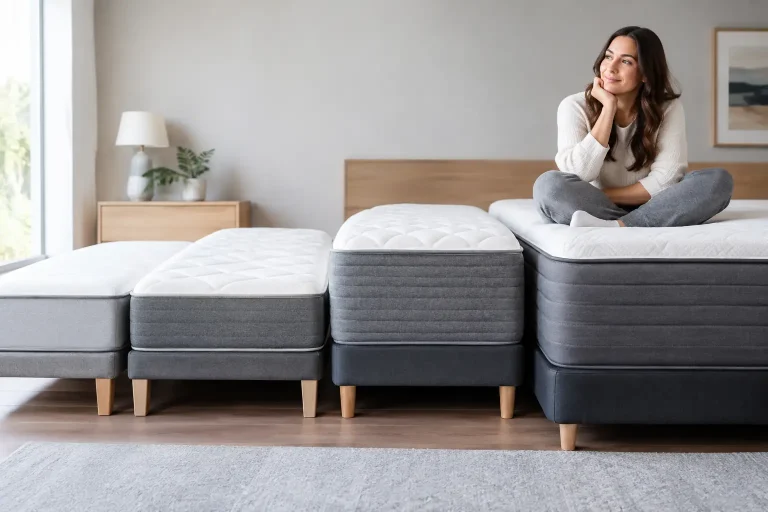
A protector that bunches under the sheet can interrupt sleep and create pressure points. Deep-pocket elastic corners or a full fitted-sheet style design are especially useful for modern hybrid mattresses, which are often taller than basic spring beds.
Measure your mattress depth before buying. The protector should fit snugly around the corners without stretching so tightly that it pulls upward during the night. If you use a topper, include the topper’s height in your measurement.
A secure fit also matters for couples. When one person turns or gets out of bed, a loose protector can shift under the sheet. A properly sized option stays smooth, helping preserve the calm, undisturbed surface you expect from a motion-isolating mattress.
Quiet materials and easy care
Sleep should not come with rustling every time you change position. Look for a protector described as quiet, noiseless, or low-noise, particularly if you are a light sleeper. The waterproof layer should be discreet enough that you barely notice it.
Washability is equally practical. A protector that can go into a standard washing machine makes regular care much easier. Always follow the label closely. High heat, bleach, and fabric softener can damage waterproof membranes, reducing their effectiveness over time.
Who Benefits Most From a Mattress Protector?
Nearly every mattress owner can benefit, but the value is especially clear in certain households. Families with young children need a realistic defense against nighttime accidents and spilled drinks. Pet owners may want protection from fur, dander, muddy paws, and the occasional unexpected mess.
For people managing allergies, regular washing can help reduce the buildup of dust, pollen, and other irritants on the bed’s outermost layers. A protector is not a substitute for medical treatment or a complete allergy-control plan, but it gives you one more washable surface to maintain.
It is also a sensible choice for people who sweat at night. Perspiration is normal, yet repeated moisture exposure can affect a mattress long before there is an obvious stain. A protector helps keep that moisture from settling directly into the mattress cover and comfort materials.
Finally, it is worth considering for anyone who has purchased a mattress for back support, joint relief, or cooler sleep. Protecting the condition of the surface helps protect the consistency of your nightly comfort.
How to Use a Mattress Protector Without Hurting Mattress Performance
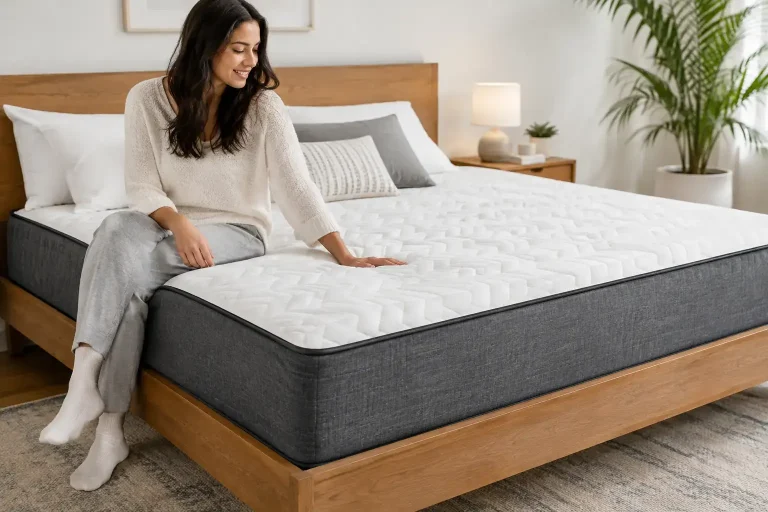
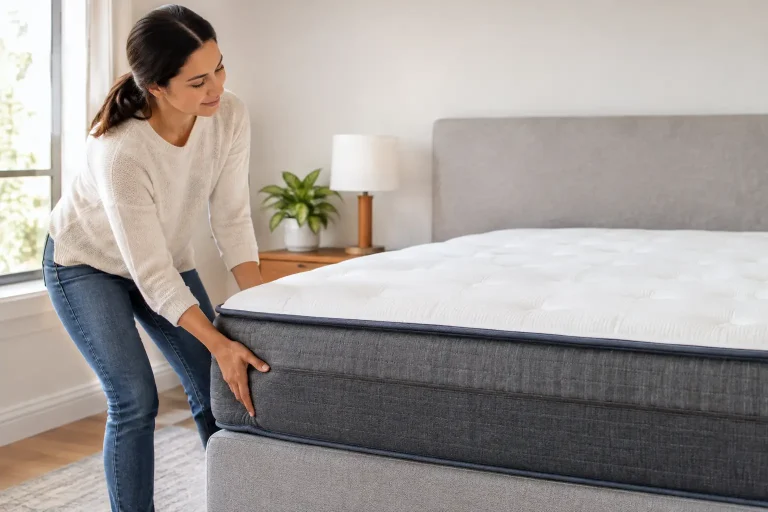
Start with a clean, dry mattress. Place the protector over it like a fitted sheet, making sure the waterproof side faces down if the product has a designated side. Smooth out wrinkles, then add your fitted sheet on top.
Wash the protector before first use only if its care label recommends it. After that, most households do well washing it every one to two months, or sooner after illness, spills, heavy sweating, or allergy flare-ups. Keeping two protectors on hand can be useful: one stays on the bed while the other is being cleaned.
Do not assume a protector replaces all mattress care. Rotate your mattress according to its instructions, keep the foundation stable, and allow the bed to air out when practical. If a spill reaches the protector, remove and wash it promptly rather than leaving moisture on the surface for hours.
Is a Mattress Protector Worth It?
A mattress protector is worth it when it protects the qualities that make your mattress feel better in the first place. It is a small layer with a practical purpose: shielding the sleep surface from moisture and buildup while keeping the comfort, cooling, and support beneath it available for the long term.
Choose one that fits your mattress depth, feels quiet, and uses breathable waterproof construction. Then let your mattress do what it was designed to do: help you wake up feeling more rested, supported, and ready for the day.