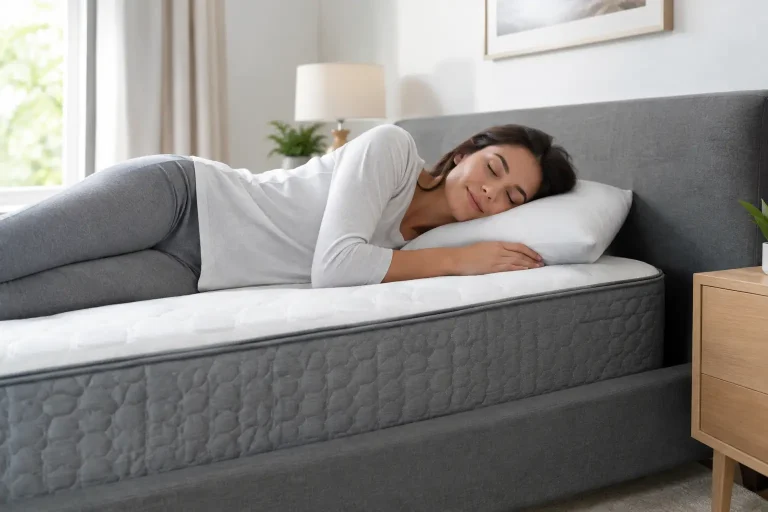
A pillowcase can touch your face for eight hours. Sheets cover most of your body, absorb sweat and skincare residue, and trap whatever is left behind from the day. For people prone to itching, redness, eczema flare-ups, or heat-related irritation, the best bedding for sensitive skin is not a luxury detail. It is part of creating a calmer, more restorative sleep environment.
The right choice is usually less about chasing one miracle fabric and more about reducing the triggers that build up in bed: heat, friction, harsh finishes, lingering detergent, dust, and moisture. A soft sheet that causes overheating is not the answer. Neither is a highly marketed “natural” fabric treated with dyes or chemical finishes that your skin does not tolerate.
What Sensitive Skin Needs From Bedding
Sensitive skin benefits from bedding that is breathable, smooth, washable, and simply finished. Those qualities work together. Breathability helps reduce the sweaty, sticky feeling that can make skin itch at night. A smooth surface creates less friction against areas that are already dry or inflamed. Regular washing removes oils, dead skin cells, allergens, and product residue before they can sit against the body night after night.
Fabric matters, but the whole sleep system matters too. If your mattress holds heat, a breathable sheet can only do so much. If your pillow traps warmth around your face and neck, even an excellent pillowcase may feel uncomfortable. Cooler airflow, clean layers, and pressure-relieving support create the conditions for less disrupted sleep.
For anyone managing a diagnosed skin condition, bedding can support comfort but should not replace medical guidance. Persistent rashes, pain, cracked skin, or severe itching deserve professional attention.
The Best Bedding for Sensitive Skin Materials
Cotton: the reliable everyday choice
Long-staple cotton is often the easiest place to start. It is breathable, durable, and straightforward to wash frequently. Look for a smooth weave and a finish that feels soft without feeling coated. Percale cotton has a crisp, airy feel and is a strong option for hot sleepers. Sateen cotton feels smoother and slightly warmer, which can be more comfortable for those who dislike a crisp sheet texture.
Cotton is not automatically irritation-free. Rough, low-quality fibers, heavy dyes, and fabric softener buildup can undermine its benefits. Still, a well-made cotton sheet set with minimal processing is a practical, dependable choice for most sensitive sleepers.
Tencel lyocell: smooth and moisture-aware
Tencel lyocell is valued for its exceptionally smooth hand feel and effective moisture management. For people who wake up warm or experience irritation in areas where sweat collects, this can be a meaningful advantage. The fabric drapes softly and tends to feel cool against the skin.
The trade-off is care. Some lyocell bedding requires gentler laundering and lower heat drying to maintain its finish. It can also cost more than standard cotton. If temperature regulation is a major concern, however, the investment may be worthwhile.
Silk: low friction, high maintenance
Silk has a naturally smooth surface that reduces friction on skin and hair. A silk pillowcase can be especially appealing for people with facial sensitivity or easily irritated hairlines. It also feels cool at first contact.
But silk is not always the best all-over bedding choice. It is expensive, delicate, and typically needs more careful washing. For many households, silk works best as a pillowcase rather than a complete sheet set. Choose washable silk from a reputable source and skip heavily fragranced specialty detergents.
Linen: excellent airflow, not always the softest start
Linen is highly breathable and performs well in warm, humid bedrooms. Its textured feel can improve with use, becoming softer over time. Yet that initial texture is not ideal for everyone with reactive or easily chafed skin.
If you love linen’s cooling performance, choose a pre-washed, softer construction and test it first. Those with active eczema or significant sensitivity may prefer the smoother surface of cotton sateen or lyocell.
Certifications and Finishes Matter as Much as Fiber
A label that says “organic,” “bamboo,” or “natural” does not tell the full story. Sensitive skin can react to dyes, wrinkle-resistant treatments, fragrance, optical brighteners, and finishing agents regardless of the base fiber.
Look for bedding with credible textile safety certifications, such as OEKO-TEX Standard 100. This indicates the finished textile has been tested for certain harmful substances. It does not guarantee that no individual will react to the fabric, but it is a useful filter when you want fewer unknowns in your sleep environment.
Choose undyed, white, or light-colored bedding if you know dyes trigger your skin. This is not mandatory for every sleeper, but it can simplify the process when you are trying to identify an irritant. Avoid sheets marketed with strong scent technology, “easy-care” chemical finishes, or antimicrobial treatments unless there is a clear reason you need them and you know your skin tolerates them.
Do Not Forget the Layers Beneath the Sheets
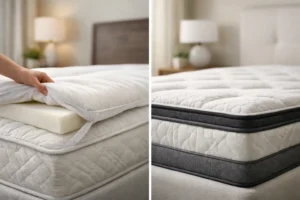
Sensitive sleepers often focus on the fitted sheet while overlooking the protector, duvet insert, pillows, and mattress surface underneath. These layers can trap heat and moisture or introduce materials that make the bed feel less comfortable.
A breathable mattress protector is valuable for hygiene, especially for households with allergies, pets, or children. But some waterproof protectors feel plasticky and reduce airflow. Look for a thin, quiet protector designed to allow airflow rather than a thick vinyl-like barrier. Wash it regularly according to its care instructions.
Your comforter or duvet should match your room temperature and personal heat level. Overly heavy synthetic fills can hold warmth close to the body, which may increase sweating and itching. A lightweight, breathable insert is often the better choice for warm sleepers. In cooler climates, layer a breathable blanket rather than relying on one overly insulated cover.
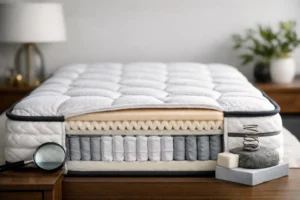
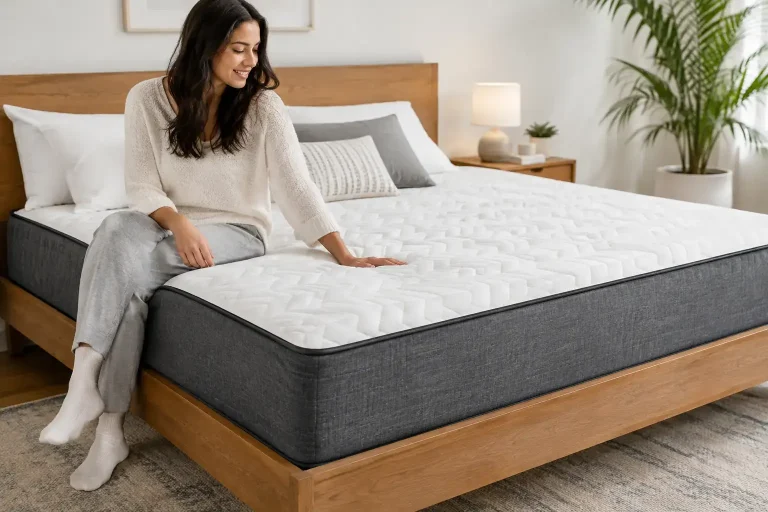
The mattress itself also affects skin comfort. A sleep surface that retains excessive heat can leave you warmer than intended, while poor pressure distribution can make you shift more often and increase friction against the sheets. A well-engineered hybrid mattress with responsive support, airflow, and cooling materials can help create a steadier sleep temperature beneath breathable bedding.
Your Wash Routine Can Make or Break Good Bedding
Even premium sheets will not feel skin-friendly if detergent residue, body oils, or dust build up in the fabric. Wash sheets and pillowcases weekly. If you sweat heavily, have allergies, sleep with pets, or use rich body products at night, washing every three to four days may be more comfortable.
Use a fragrance-free, dye-free detergent and follow the recommended amount. More detergent is not cleaner when it does not rinse out completely. Skip fabric softener and scented dryer sheets, which can leave coatings and fragrance on the fibers. If sheets feel waxy, stiff, or strongly scented after laundering, run an extra rinse cycle.
Warm water is usually effective for routine washing when the care label allows it. Higher temperatures can be useful in specific hygiene situations, but they may shorten the life of delicate fabrics like lyocell and silk. Dry bedding fully before making the bed. Damp fibers can hold moisture and develop an unpleasant odor that makes a fresh bed feel anything but restful.
A Practical Setup for Calmer Sleep
For most people, the strongest starting point is simple: a smooth cotton or lyocell sheet set, a breathable mattress protector, lightweight bedding, and fragrance-free laundry care. Add a silk pillowcase if facial friction or hairline irritation is a recurring concern.
Avoid changing every layer at once if you are trying to solve a skin issue. Start with the sheets and detergent, then assess comfort for one to two weeks. If symptoms persist, consider the protector, pillow materials, sleep temperature, and anything that comes into contact with your skin at night, including lotions and hair products.
The best bedding for sensitive skin should fade into the background. It should feel cool, clean, and gentle enough that your body can focus on what sleep is meant to do: recover, reset, and wake up ready for the day.