A mattress can sit beneath your body for eight hours a night, so asking, are latex mattresses non toxic, is a practical question – not an overreaction. Latex is often one of the better material choices for shoppers seeking lower-odor, durable comfort and responsive pressure relief. But “latex” on a product label does not automatically tell you everything about the finished mattress.
The most accurate answer is this: a well-made latex mattress can be a low-emission choice, especially when it uses certified materials and a thoughtfully designed cover, adhesive system, and fire barrier. The details matter because a mattress is a complete sleep system, not just its comfort layer.
Are latex mattresses non toxic?
No mattress can honestly be called completely free of every chemical. Natural materials are processed, finished products may contain small amounts of adhesives or textile treatments, and different people have different sensitivities. Still, latex mattresses can be a strong option for people who want to reduce exposure to concerning emissions while improving support, cooling, and long-term comfort.
Natural latex comes from the milky sap of rubber trees. After harvesting, the sap is processed into foam that can provide buoyant support, pressure distribution, and airflow. Unlike traditional polyurethane foam, quality latex generally has a lighter odor and is not dependent on the same petroleum-based foam structure.
That does not mean every latex mattress is the same. A mattress marketed as “latex” may contain natural latex, synthetic latex, or a blend of the two. It may also include memory foam, fiber batting, glues, fabric treatments, and a fire-resistant layer. The safest approach is to look beyond a single material claim and evaluate the complete construction.
Natural, synthetic, and blended latex explained
Natural latex is derived primarily from rubber tree sap. It is popular because it is resilient, breathable, and capable of contouring around the shoulders and hips without creating the deep sink some sleepers experience with softer foams. For people with back stiffness or joint pressure, that responsive lift can help make position changes feel easier during the night.
Synthetic latex is manufactured from petrochemicals to imitate some of latex’s springy feel. It can still be durable and comfortable, but it is not the same as natural latex and may not align with a buyer’s material preferences. Blended latex combines natural and synthetic components. A blend is not inherently poor quality, but brands should be clear about what percentage of the latex is natural.
The manufacturing method also affects feel. Dunlop latex tends to feel denser and more grounded, making it a common fit for support layers. Talalay latex often feels lighter and more airy, which can work well near the surface for pressure relief. Neither process alone determines whether a mattress is low-emission. Material sourcing, testing, and the rest of the bed’s construction remain just as relevant.
What can affect a latex mattress’s chemical exposure?
The latex core is only one part of the equation. When comparing mattresses, ask what surrounds it. A transparent brand should be able to explain the comfort layers, cover fabric, bonding method, and fire-safety materials without vague claims.
Potential factors include:
- Adhesives: Some layered mattresses use glue to hold components together. Low-VOC adhesives can help reduce the odor associated with a new mattress.
- Foam layers: A hybrid may pair latex with cooling gel foam or other comfort foams. These should be independently tested for harmful substances and low emissions.
- Covers and quilting: Cotton, wool, and polyester covers can each be appropriate, but certifications help verify that textiles have been screened for a range of harmful chemicals.
- Fire barriers: U.S. mattresses must meet flammability standards. Brands may use wool, silica-based barriers, or proprietary systems. Ask for clarity rather than assuming “natural” means untreated.
- Fragrances and treatments: Added scents, antimicrobial finishes, and stain-resistant coatings may be unnecessary for many sleepers, particularly those with chemical sensitivities.
A slight new-mattress smell is not unusual, even with latex. It should not be overpowering or persist for weeks. Give the mattress time to air out in a well-ventilated room before adding sheets, especially if you are sensitive to odors.
Certifications that offer meaningful reassurance
Certifications are not just marketing badges when you understand what they cover. They can provide a useful layer of accountability, though no single certification evaluates every material in an entire mattress.
For latex itself, the Global Organic Latex Standard, often called GOLS, is relevant when a product is marketed as organic latex. It addresses the origin and processing of organic latex materials. For textile components such as a mattress cover, OEKO-TEX Standard 100 indicates that the textile has been tested for a list of potentially harmful substances.
If a mattress includes polyurethane-based foam, CertiPUR-US certification is worth looking for. It applies to the foam, not to the latex layer or whole mattress. It screens participating foams for certain substances and requires low VOC emissions. That distinction matters: a mattress can contain CertiPUR-US foam and still need separate information about its fabric, latex, adhesives, and fire barrier.
The best shopping habit is simple: match the certification to the material it actually covers. A confident manufacturer should state whether its latex, foam, textile, or finished mattress has been tested, rather than using one certification to imply that every component is identical.
Latex, allergies, and skin sensitivity
Latex allergy is the biggest exception to the broad reassurance around latex mattresses. People with a diagnosed natural rubber latex allergy should speak with their healthcare professional before choosing a latex bed. The risk from a cured latex foam core covered by multiple mattress layers may differ from direct contact with latex gloves, but it is not a concern to dismiss.
For most people without a latex allergy, cured latex in a mattress does not cause problems. The foam is enclosed beneath a cover, protector, and bedding. Still, if you have asthma, severe allergies, migraines triggered by odors, or a history of contact sensitivity, choose a mattress with clear testing information and use the sleep trial period thoughtfully.
A breathable mattress protector is also a smart addition. It helps shield the cover from sweat, spills, and dust without changing the fundamental support of the mattress. Choose one that does not create a heat-trapping plastic feel, especially if you already sleep warm.
Why latex works well in a hybrid mattress
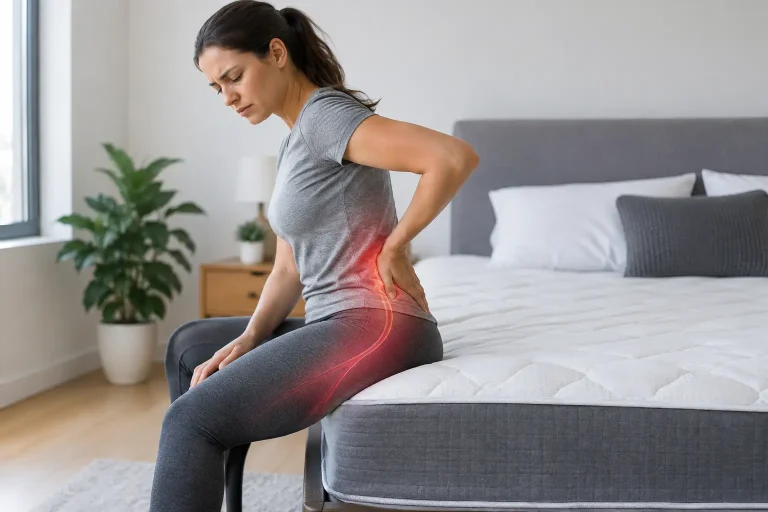
For sleepers managing back discomfort, overheating, or restless nights with a partner, latex can be particularly effective in a hybrid design. Latex supplies responsive cushioning at the surface, while individually pocketed coils provide structured support underneath. Each coil responds more independently than a connected spring system, helping reduce movement transfer when someone gets in or out of bed.
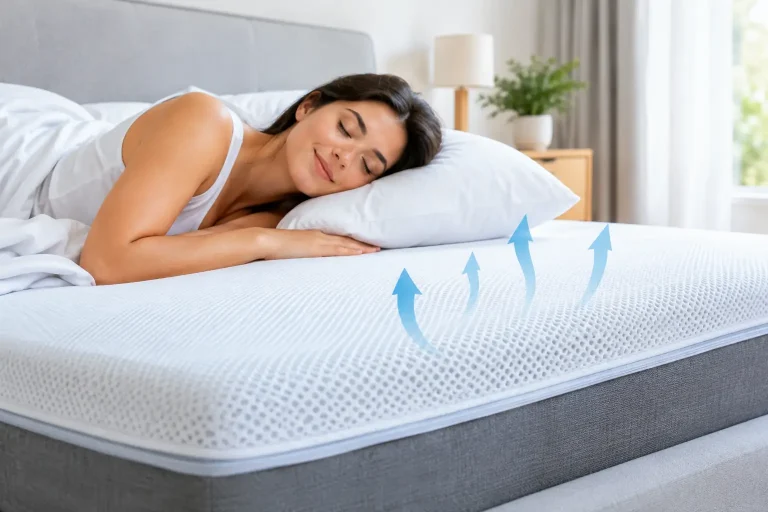
The result should feel balanced: enough cushioning to ease pressure at the shoulders and hips, with enough pushback to keep the midsection from dropping too deeply. That matters for spinal alignment, particularly for back and combination sleepers. Latex also has an open, buoyant feel that allows more airflow than dense, slow-moving foam.
Of course, hybrid construction adds components, so transparency becomes even more important. Look for a clear breakdown of the layers and credible certifications for any foams and textiles used alongside the latex. Quality sleep should not require guessing what is inside your mattress.
How to choose a lower-emission latex mattress
Start with the product specifications, not the headline. Confirm whether the latex is natural, synthetic, or blended, and look for an honest description of the percentage where available. Then check for certifications that correspond to the actual materials used.
Consider your comfort needs as well. A very firm latex mattress may feel supportive at first but create pressure at the shoulder for side sleepers. A model that is too soft can allow the hips to sink, which may aggravate lower-back discomfort. The right mattress supports a neutral sleeping posture while still allowing your body to relax.
Finally, pay attention to practical confidence signals: a meaningful warranty, a home trial or return policy, and clear customer support. A mattress is a long-term purchase, and your first few nights are not always enough to judge how your body responds. Give yourself time to adjust, particularly if you are moving from an old spring mattress or deeply conforming foam bed.
A latex mattress can be a reassuring choice when it is built with verified materials, low-emission components, and support that suits your body. Choose clarity over broad “non-toxic” promises, and you will be closer to the cooler, calmer, properly supported sleep your body has been asking for.