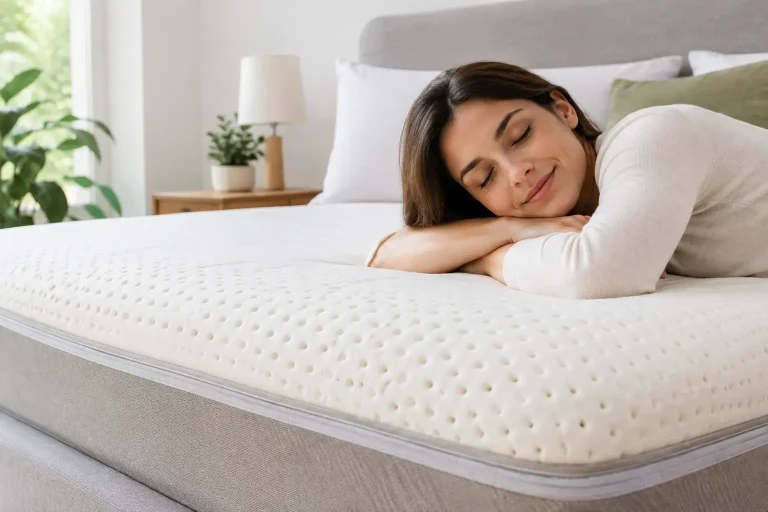
A mattress can feel fine for five minutes in a showroom and still leave you waking up with a tight lower back, sore shoulders, or that familiar overheated, restless feeling at 3 a.m. That is exactly why a hybrid mattress buying guide matters. If you want real improvement in spinal support, pressure relief, temperature control, and partner disturbance, the details inside the mattress matter far more than the label on top.
What a hybrid mattress actually does
A hybrid mattress combines foam comfort layers with a spring support system, usually made with individually pocketed coils. That mix is what makes hybrids so appealing to people who have outgrown a basic innerspring but do not want to sink too deeply into an all-foam bed.
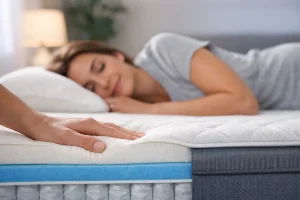
The foam and latex layers handle comfort, contouring, and pressure relief. The coil system adds pushback, alignment support, airflow, and durability. When the construction is done well, the result is a mattress that feels cushioned at the surface but stable underneath. That balance is what many adults need when they are trying to reduce back pain, ease joint pressure, and sleep cooler.
Not every hybrid performs the same way, though. A mattress with thin foam over generic springs may still transfer motion, trap heat, or sag too quickly. A better hybrid uses each layer with a purpose.
A hybrid mattress buying guide should start with your sleep problem
Most people shop by firmness first. That is understandable, but it is not the best place to begin. Start with the problem you are trying to solve.
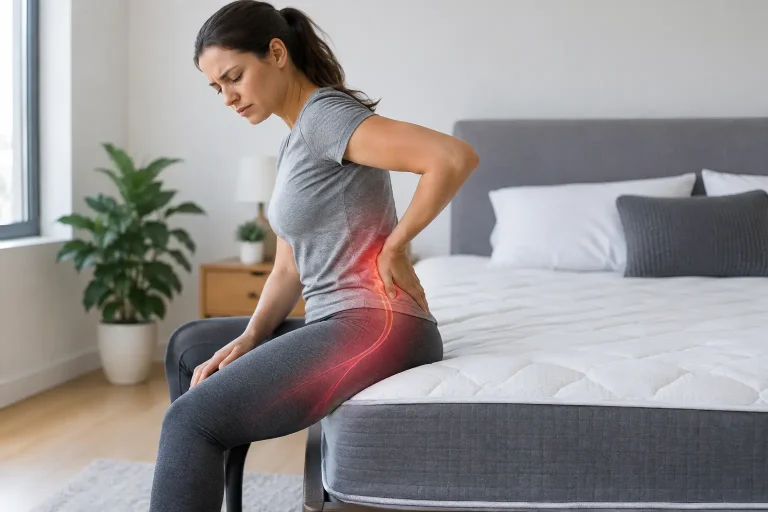
If your main issue is back pain, focus on support and alignment. You want a mattress that keeps your hips from sinking too far while still allowing your shoulders and lower back to settle naturally. If your problem is shoulder, hip, or joint pressure, pay closer attention to the comfort layers, especially latex or pressure-relieving foams that cushion without collapsing.
If you sleep hot, look beyond the phrase “cooling mattress.” Real temperature control usually comes from a combination of breathable materials, airflow through the coil core, and foams designed to disperse heat rather than hold it. If your sleep is interrupted by a partner moving, turning, or getting out of bed, you need motion isolation that comes from individually pocketed springs and foam layers that absorb movement before it travels across the surface.
When you know your primary issue, it becomes much easier to ignore marketing noise and compare mattresses based on performance.
The 4 construction details that matter most
1. Coil design affects support and motion control
Pocketed coils are a major reason hybrids outperform old-style spring mattresses. Because each coil moves more independently, the mattress can respond to the body with more precision. That usually means better contouring, less bounce across the whole bed, and stronger alignment support.
The key is not just whether coils exist, but how they are structured. A more thoughtfully engineered spring system supports the heavier parts of the body without making the mattress feel stiff. For couples, coil independence also matters because it reduces the ripple effect from one side of the bed to the other.
2. Comfort layers determine pressure relief
This is where the mattress either feels restorative or irritating. Latex has a responsive, buoyant feel and tends to be excellent for pressure relief without the “stuck” sensation some sleepers dislike. Cooling gel foams can help cushion pressure points while supporting heat dissipation. The thickness and quality of these layers matter.
Too little comfort material, and the mattress can feel hard at the shoulders and hips. Too much low-density foam, and you may get softness at first but lose support over time. People with back pain usually do best when the comfort layers relieve pressure without overpowering the support core underneath.
3. Temperature regulation is built into the whole mattress
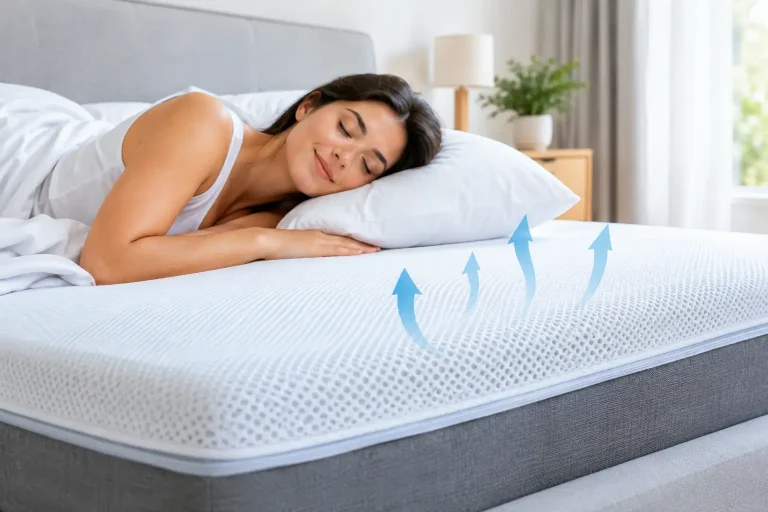
Cooling is not a single feature. It is a system. Coils allow air to move through the mattress much more freely than solid foam cores. Breathable latex can help, and cooling gel foams may reduce heat buildup near the body. Covers and quilting also play a role.
If you naturally sleep warm or live in a hotter climate, this matters more than many shoppers expect. A mattress that keeps heat from collecting can reduce tossing, sweating, and shallow sleep cycles.
4. Certifications are a trust signal, not a decoration
When a brand highlights materials with standards such as Oeko-Tex or CertiPUR-US, that tells you something useful about foam content and textile testing. Certifications do not guarantee comfort, but they do help support confidence in material quality and safety. For buyers who are upgrading from a low-cost mattress with unknown foams, this is a meaningful step up.
How to choose the right feel for your body and sleep position
There is no universal “best firmness” because body weight, shape, and sleeping position all change how a mattress feels.
Side sleepers usually need enough pressure relief for the shoulders and hips, so a medium to medium-plush hybrid often works well. Back sleepers usually need a little more balance between cushioning and lift, which often points to a true medium or medium-firm feel. Stomach sleepers typically need firmer support to help prevent the hips from dipping too low, though very firm is not automatically better if it creates tension through the chest or shoulders.
Body weight also changes the equation. A lighter person may find a medium-firm mattress quite firm. A heavier person may need stronger support and thicker comfort layers to avoid bottoming out or losing alignment. This is why broad labels only tell part of the story.
For couples, compromise matters. A hybrid is often the safest middle ground because it can offer both cushioning and support while limiting motion transfer. If one person sleeps hot and the other moves a lot, a well-built hybrid often addresses both problems better than a basic all-foam or traditional spring model.
Red flags in any hybrid mattress buying guide
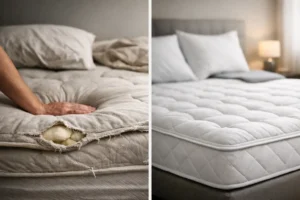
A low price is not always a deal if the mattress breaks down quickly. One warning sign is vague material information. If a brand does not clearly explain what is inside the mattress, that usually means you are expected to buy on adjectives instead of substance.
Another red flag is relying on the word “orthopedic” without explaining how the mattress supports the spine. Genuine support should connect to actual design features like zoned or structured coils, resilient latex, stable edge support, and pressure-relieving top layers.
Also watch for hybrids that are hybrid in name only. If the spring layer is minimal or the comfort layers are overly soft and low quality, the mattress may still sag, overheat, or transfer movement more than expected. A strong warranty and a real return window reduce risk, but they should support quality, not compensate for weak construction.
The practical side of buying online
Buying online can be a smart move if you focus on the policies that protect your decision. Free shipping matters because mattresses are large and expensive to move. Free returns matter because comfort is personal, and the real test happens after several nights, not several minutes. Installment payment options can also make a premium mattress more accessible without forcing you into a lower-quality compromise.
This is one area where a direct-to-consumer brand can offer real value. When the construction is clearly explained and the policies are buyer-friendly, you can often get better materials for the price than you would in a traditional retail setting. Azure Mattress leans into that model by pairing premium hybrid construction with practical purchase protections, which is exactly what skeptical mattress buyers tend to want.
What a good hybrid should feel like after 30 nights
The first night can be misleading. What matters more is how your body responds after a few weeks. A good hybrid should leave you feeling more supported through the lower back, less compressed at the shoulders and hips, and less aware of your partner shifting during the night.
You should also notice whether temperature regulation is actually helping. Cooler sleep does not mean cold sleep. It means fewer heat spikes, less sweating, and a more stable sleep environment. If you wake up less often and get out of bed feeling looser instead of stiffer, the mattress is doing its job.
That is the standard worth using. Not whether the mattress sounds impressive, but whether it solves the problems that pushed you to shop in the first place.
A mattress is one of the few products you feel with your whole body, every night, for years. Choose the one that gives you measurable relief, steady support, and a reason to stop thinking about your mattress once the lights go out.