A restless night often starts long before your head reaches the pillow. It starts with a mattress that lets your hips sink too far, traps body heat, or turns every movement from your partner into a wake-up call. A hybrid mattress is designed to solve these problems by pairing the familiar support of springs with modern comfort materials that cushion pressure points and help regulate temperature.
For adults managing morning stiffness, lower back discomfort, shoulder pressure, or interrupted sleep, that combination can make a meaningful difference. The right mattress will not replace medical care or fix every source of pain, but it can give your body a more stable, restorative surface for the hours it spends recovering each night.
What Is a Hybrid Mattress?
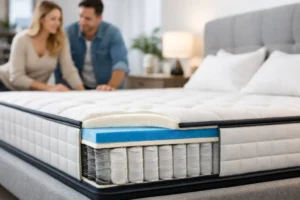
A hybrid mattress combines two primary components: a supportive coil system at the base and comfort layers above it. Those upper layers may include latex, memory foam, cooling gel foam, or other pressure-relieving materials. Rather than choosing between the bounce of a traditional spring mattress and the contouring feel of foam, a hybrid brings both functions into one sleep system.
The coil layer is usually made with individually pocketed springs. Each spring can respond more independently to the weight placed on it, helping the mattress adapt to your body instead of forcing your body into one flat position. Above the coils, comfort layers distribute pressure across areas such as the shoulders, hips, knees, and lower back.
Construction matters because not all hybrids feel the same. A thicker latex layer may create a more buoyant, responsive surface. A deeper foam layer may provide more contouring. Coil count, coil zoning, edge support, cover fabric, and total mattress height also affect how the bed performs over time.
Why Hybrid Mattress Construction Matters for Your Body
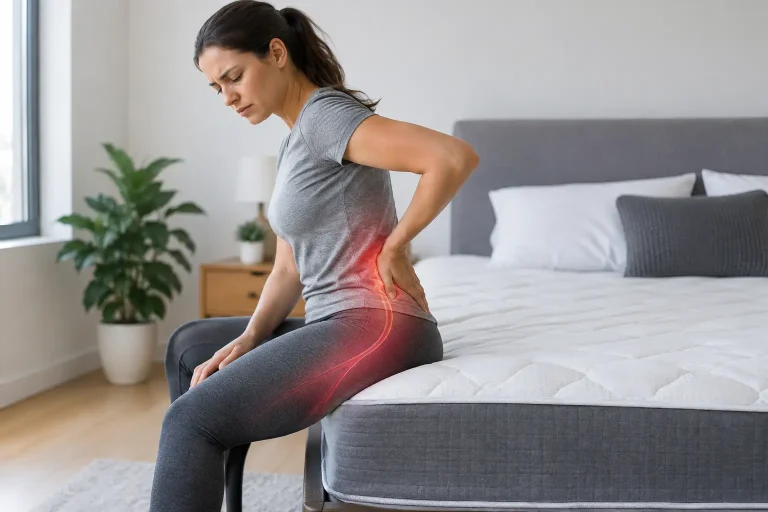
Your spine has a natural curve. When a mattress is too soft, the pelvis can dip below the rest of the body. When it is too firm, the shoulders and hips may not sink enough, creating pressure and leaving the lower back unsupported. Both situations can contribute to tossing, turning, and waking up feeling less refreshed than when you went to bed.
A well-designed hybrid aims for balance. The comfort layers allow the body to settle in, while the spring system resists excessive sinking. This is particularly useful for combination sleepers who move between their side, back, and stomach throughout the night. Foam alone can sometimes feel restrictive for sleepers who change positions frequently. Coils add responsiveness, making it easier to move without sacrificing cushioning.
Pressure relief without losing support
Pressure relief is not simply about making a mattress feel soft. It is about reducing concentrated force where the body meets the bed. Side sleepers often need extra cushioning at the shoulders and hips, while back sleepers usually need steady support through the lumbar area.
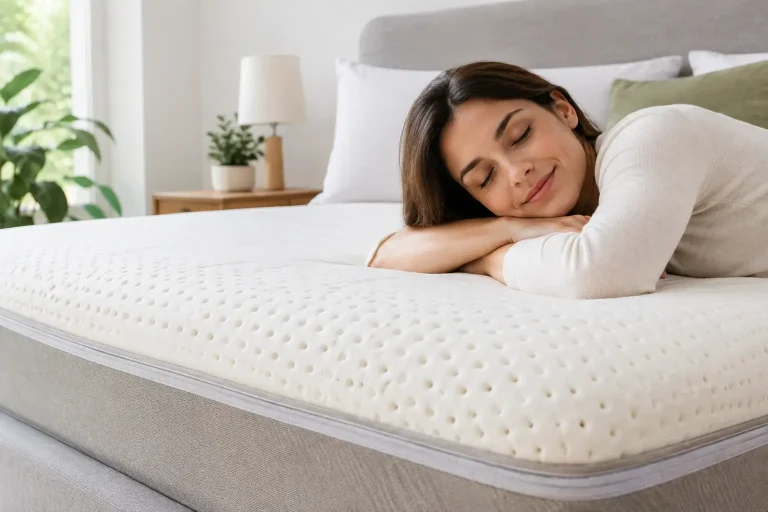
Latex and quality foams can gently contour around these areas. Pocketed coils work underneath to support the larger structure of the body. Together, they help keep weight distributed more evenly, which may reduce the urge to shift positions during the night.
The trade-off is personal preference. A sleeper who enjoys a deeply cradled sensation may prefer more foam in the comfort layers. Someone who dislikes the feeling of being “stuck” in bed may favor latex or a more responsive hybrid design. There is no single firmness level that suits every body, sleeping style, or pain concern.
Better support for couples with different needs
Couples often compromise on sleep comfort, especially when one partner prefers a firmer surface and the other needs more pressure relief. A hybrid can be a practical middle ground because its materials perform different jobs at different levels.
The comfort layers create a more forgiving surface, while the coils maintain structure and prevent the mattress from feeling overly soft. A medium to medium-firm hybrid is often a sensible starting point for couples, but body weight and sleep position still matter. Heavier sleepers may need more substantial coil support, while lighter side sleepers may need more cushioning near the surface.
Cooler Sleep Starts Below the Cover
Overheating can quietly disrupt sleep. You may not fully wake up and remember it, but repeated temperature changes can leave you feeling restless and unrefreshed in the morning. Traditional dense foam mattresses can retain heat when airflow is limited around the body.
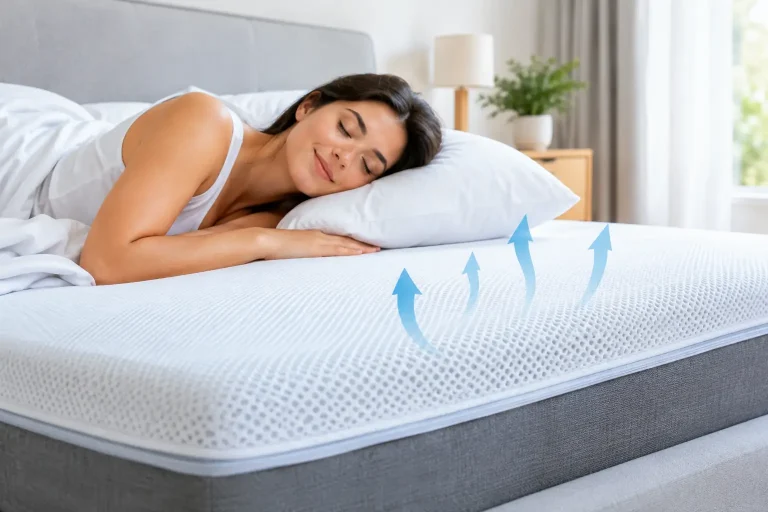
Hybrid mattresses have an advantage because the open space around the coil system allows air to circulate more freely. Cooling gel foams, breathable fabrics, and naturally ventilated latex can further help move heat away from the body. This does not mean every hybrid will feel cold, nor does it eliminate the effect of a warm room, heavy bedding, or personal sleep temperature. It does mean the mattress is built with airflow in mind rather than relying on a solid foam core.
For hot sleepers, look beyond surface-level cooling claims. Consider the full construction: breathable cover, cooling comfort layers, and a coil system that supports ventilation through the mattress. Those details work together to create a more consistently comfortable sleep environment.
Motion Isolation Can Protect Your Sleep
Sharing a bed should not mean sharing every toss, turn, or late-night trip to the bathroom. Traditional connected spring systems can transfer movement across the mattress. When one side shifts, the other side may feel it.
Individually pocketed springs help reduce this transfer because each coil moves more independently. Foam and latex comfort layers can absorb additional movement near the surface. The result is not absolute stillness – no mattress can remove every sensation of movement – but a quality hybrid can make disturbances far less noticeable.
This matters most for light sleepers, couples with different schedules, and parents whose sleep is already interrupted. A mattress that minimizes motion transfer can help you stay asleep through the small movements that would otherwise break a peaceful sleep cycle.
How to Choose the Right Hybrid Mattress
The best choice is not the one with the longest feature list. It is the one whose materials match the way you sleep and the problems you want to solve. Before buying, consider these four practical factors:
- Your main sleep position: Side sleepers commonly need greater pressure relief, while back and stomach sleepers often need firmer support to prevent the hips from sinking too deeply.
- Your comfort concerns: If lower back stiffness is your priority, focus on structured support and spinal alignment. If shoulder or hip pressure is the problem, prioritize cushioning comfort layers.
- Your sleep temperature: Hot sleepers should look for breathable covers, cooling gel foam, latex, and pocketed coils that encourage airflow.
- Your partner’s movement: If motion wakes you easily, choose individually pocketed springs and comfort layers designed to absorb movement.
Materials and certifications also deserve attention. CertiPUR-US certified foams can provide reassurance around foam standards, while Oeko-Tex certified textiles offer another layer of confidence for fabrics used close to your skin. These details do not tell you exactly how a mattress will feel, but they can help you evaluate quality beyond marketing language.
Give Your New Mattress Time to Settle In
A new mattress can feel different from what your body is used to, even when it offers better support. If you have slept on an old, sagging mattress for years, a more supportive surface may take time to feel natural. Many people need several weeks to adjust their sleeping posture and comfort expectations.
Use the mattress with a supportive foundation, keep bedding breathable, and pay attention to how your body feels over several mornings rather than judging one night in isolation. If discomfort increases or persists, reassess firmness, sleeping position, and whether an underlying health condition needs professional attention.
A hybrid mattress is an investment in the part of your day that restores the rest of it. Choose one built around your real sleep concerns, and let comfort, support, and cooling work together while you rest.