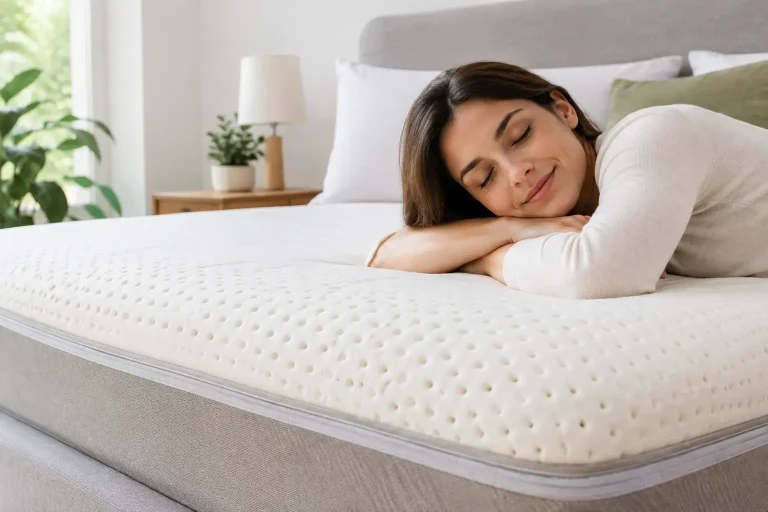
You may fall asleep on your side, wake up on your back, and spend part of the night on your stomach without realizing it. That is not a sleep problem. But it does mean the best mattress for combination sleepers needs to do more than feel soft when you first lie down. It must respond quickly as you move, keep your spine supported in every position, and prevent heat or a partner’s movement from disrupting your rest.
A mattress that feels comfortable for one sleeping position can feel completely different after your first turn. Too much sink can make changing positions feel like work. A surface that is too firm can create pressure at the shoulders and hips. The right balance is responsive comfort over stable, orthopedic-minded support.
What combination sleepers need from a mattress
Combination sleepers put more demands on a mattress than people who stay in one position all night. The surface must contour enough for side sleeping, yet keep the hips from dropping too low when back or stomach sleeping. It should also make movement easy rather than holding the body in one deep impression.
For most people, a medium-firm hybrid mattress is the strongest starting point. This feel provides cushioning at common pressure points while maintaining the pushback needed for spinal alignment. However, body weight, pain concerns, and preferred positions still matter. A lighter side sleeper may need a little more pressure relief, while a heavier sleeper or frequent stomach sleeper may benefit from a firmer support system.
The goal is not to find a mattress that is perfect for one position. It is to find one that stays supportive through all of them.
The best mattress for combination sleepers has responsive layers
Responsiveness is the feature that makes a mattress feel easy to move on. Latex and individually pocketed coils are especially useful because they rebound quickly after pressure is removed. When you shift from your side to your back, the mattress adjusts with you rather than leaving you stuck in a body-shaped dip.
Traditional memory foam can deliver excellent pressure relief, but slow-moving foam may not suit every combination sleeper. If the foam is very soft or thick, it can create a sinking sensation that makes turning harder, especially for people who sleep warm or have mobility-related stiffness. Cooling gel foam can be a better fit when it is used in a balanced hybrid design, where responsive coils provide lift underneath.
A well-designed hybrid combines the strengths of several materials. Comfort layers cushion the body. Latex or responsive foam helps relieve pressure without excessive sink. Pocket springs provide targeted support and encourage easier movement across the surface. This construction is particularly effective for sleepers who need both cloud-like comfort and dependable structure.
Why pocket springs matter
Individually pocketed coils move independently, so the mattress can respond to the curves of your shoulders, waist, hips, and lower back. Instead of forcing the entire surface to compress as one unit, the coil system provides more precise support where your body needs it.
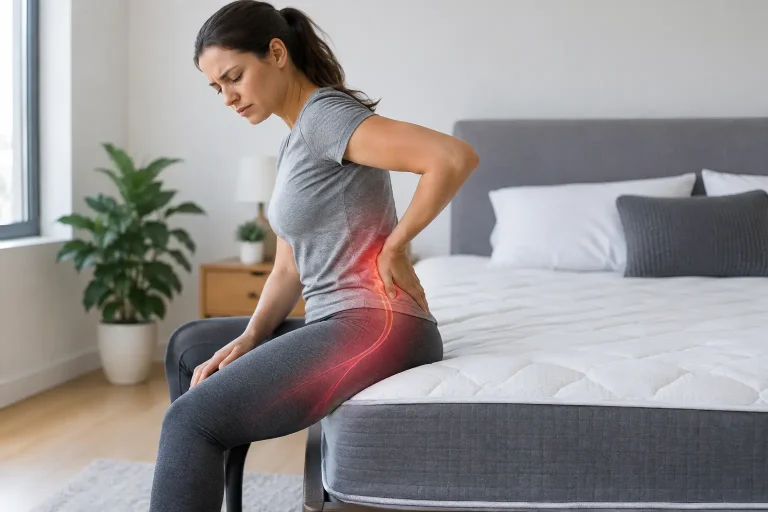
For combination sleepers, that precision helps maintain a more neutral spine as positions change. It can also reduce the unstable, rolling sensation sometimes found in older connected-spring mattresses. If you wake with lower-back tightness after sleeping on your back or stomach, a structured pocket spring layer is worth prioritizing.
Look for pressure relief without deep sink
Side sleeping places concentrated pressure on the shoulders and hips. A mattress that is too firm can leave those areas sore or numb by morning. At the same time, combination sleepers cannot simply choose the plushest option available. Deep cushioning may allow the hips to sink out of alignment when the sleeper rolls onto their back or stomach.
This is where layered comfort makes a meaningful difference. Latex is naturally buoyant and supportive, helping distribute pressure while keeping the body closer to the surface. Quality foam layers can add contouring comfort, especially around the shoulders, without turning the bed into a soft crater.
Pay attention to how your lower back feels in the morning. If it feels strained, the mattress may be allowing your hips to dip too far. If your shoulders feel compressed after a night on your side, the comfort layers may be too firm. The best fit offers gentle contouring with a stable core beneath it.
Cooling is a performance feature, not an extra
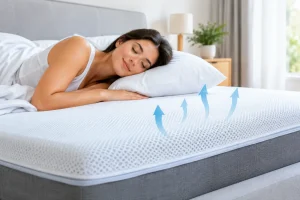
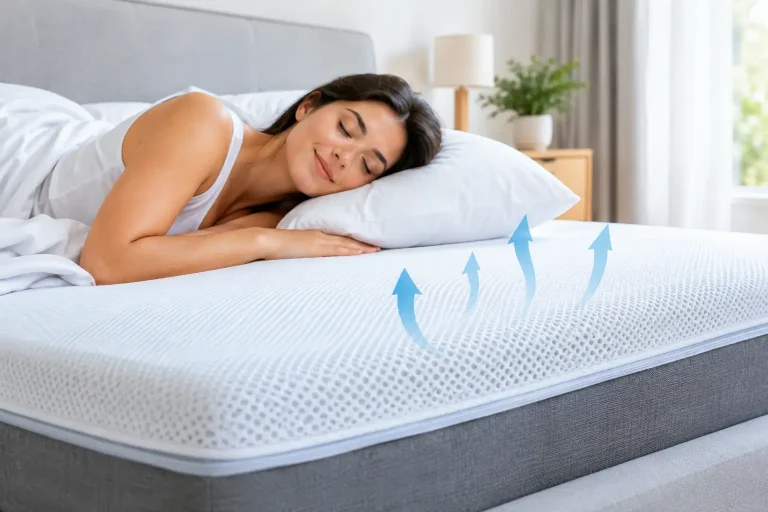
Many combination sleepers move because they are uncomfortable, and overheating is a common reason. When heat builds up around the body, sleep can become lighter and more restless. A mattress with poor airflow may feel fine at bedtime but noticeably warmer by the early morning hours.
Hybrid mattresses generally have an advantage here because the coil layer creates open space for air to circulate. Cooling gel foams can help manage surface warmth, while breathable covers and naturally ventilated materials such as latex support a cooler sleep environment. No mattress can eliminate body heat entirely, but a breathable construction can prevent heat from becoming the reason you keep changing positions.
For hot sleepers, avoid choosing solely based on a soft, enveloping feel. The more deeply you sink into dense foam, the less airflow reaches the body. A responsive, medium-firm hybrid often delivers a cooler and more stable sleep experience.
Do not overlook motion isolation for couples
If you share a bed, your mattress needs to handle two people with different sleep habits. Combination sleeping often includes frequent rolling, repositioning, or getting up during the night. Without good motion isolation, each movement can travel across the mattress and disturb your partner.
Pocketed coils are useful here because each coil responds independently rather than transferring motion through a connected spring network. Foam and latex comfort layers can further absorb movement at the surface. The result is a more peaceful sleep environment, even when one person changes positions several times.
There is a trade-off. Very bouncy mattresses can feel easy to move on but may transfer more motion. Very dense foam mattresses can isolate motion well but may feel slower to respond. A hybrid built with individually pocketed springs and balanced comfort layers aims for the middle ground: easier movement for you, less disturbance for the person beside you.
Choose firmness based on your movement pattern
Medium-firm is a practical recommendation, not a rule that fits everyone. Your body type and the positions you spend the most time in should guide the final choice.
If you are primarily a side sleeper who occasionally rolls onto your back, lean toward medium to medium-plush comfort with strong support below. If you split your time between side and back sleeping, medium-firm is usually the most versatile range. If you frequently sleep on your stomach, need extra lower-back stability, or have a larger body frame, medium-firm to firm may be more appropriate.
Do not judge firmness by a label alone. Mattress brands use different scales, and the same firmness can feel different depending on the materials. Look beyond the number and consider the construction: responsive comfort layers, targeted pressure relief, a supportive coil system, and airflow through the bed.
A smarter way to compare hybrid mattresses
When comparing options, focus on the features that directly affect how you sleep rather than marketing language alone. A high-performing mattress for combination sleeping should clearly explain its comfort materials, support structure, cooling design, and motion-control approach.
Check for quality and safety credentials such as CertiPUR-US certified foams and Oeko-Tex certified textiles. These details do not automatically guarantee comfort, but they provide useful reassurance about the materials used close to your body. Also consider the trial period, return process, shipping, and warranty. A mattress is a long-term purchase, and the ability to assess it in your own bedroom reduces the risk of choosing based only on a showroom test.
Azure Mattress designs its hybrid sleep systems around the needs that matter most here: pressure relief for sore joints, individually pocketed support for spinal alignment and reduced partner disturbance, and cooling materials to help prevent restless, overheated nights.
Your best mattress should not make you choose between soft comfort and real support. Choose a responsive hybrid that helps you turn easily, keeps your body level, and gives you a cooler, quieter place to recover. The right mattress lets your body move naturally while your sleep stays undisturbed.