Waking up with a tight lower back, a sore shoulder, or the feeling that you barely slept is not something you should simply push through. The top signs you need a new mattress often show up quietly at first: a restless night here, an afternoon energy crash there. Over time, an unsupportive sleep surface can turn recovery into another source of strain.
A mattress does more than feel soft or firm when you first lie down. It should hold your spine in a more neutral position, cushion pressure points, manage heat, and let you sleep without being jolted awake by movement beside you. If it can no longer do those jobs, it may be time for an upgrade.
1. You Wake Up Stiff, Achy, or More Tired Than Before Bed
Morning discomfort is one of the clearest signs your mattress is no longer providing the support your body needs. Your muscles should not have to work all night to compensate for a surface that lets your hips sink too low or pushes your shoulders upward. When spinal alignment is off for hours, it is common to wake with lower-back tension, neck stiffness, sore hips, or numb arms.
Pain can have many causes, so a mattress is not automatically the answer to every ache. But pay attention to the pattern. If discomfort eases after you stretch, move around, or sleep somewhere else, your bed deserves a closer look. A supportive hybrid construction can help distribute body weight more evenly through responsive comfort layers and individually pocketed springs.
2. The Mattress Has Visible Sagging, Dips, or Lumps
Take the sheets off and look at the mattress in daylight. Permanent body impressions, deep valleys in the middle, raised edges, or uneven lumps are signs that the materials have lost their ability to recover. A mattress may still look acceptable under bedding while feeling noticeably unstable once you lie on it.
Sagging matters because it changes where your body lands. Your pelvis is one of the heaviest parts of the body, so a dip around the hips can pull the lower spine out of alignment. Rotating the mattress may help with normal, shallow impressions on a compatible design, but it will not repair broken-down foam or tired springs. Flipping is not always appropriate either, especially for one-sided mattresses with a specific comfort system on top.
3. You Sleep Better in a Hotel or Guest Room
If you consistently wake up feeling better away from home, do not ignore it. A different pillow, room temperature, and routine can all affect sleep, but a noticeable improvement in comfort is useful information. Your body may be responding to better pressure relief, a steadier surface, or firmer support than it receives on your current mattress.
This comparison is especially revealing when you travel for just one or two nights and still wake with less stiffness. It suggests your usual bed may be part of the problem, not just a normal consequence of a busy schedule.
4. You Can Feel Every Move Your Partner Makes
Sharing a bed should not mean waking up every time your partner turns over, gets up early, or settles back in. Traditional connected spring systems often transfer motion across the entire mattress. As the springs age, that disturbance can become even more obvious.
For couples, this is one of the top signs you need a new mattress with more advanced motion control. Individually pocketed coils move more independently than a connected spring network, helping contain movement to one side of the bed. The trade-off is that motion isolation should not come at the cost of support. Look for a design that pairs independent coils with resilient comfort materials so both sleepers receive pressure relief and stable alignment.
5. You Are Overheating or Waking Up Sweaty
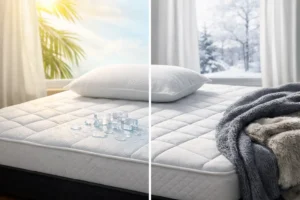
Night sweats can be connected to health, medication, stress, or room conditions, so it is worth considering the full picture. Yet if your mattress feels like it traps heat around your back and hips, it may be contributing to the problem. Dense, worn foam can hold onto warmth and make it harder for your body to settle into the cooler temperature that supports restful sleep.
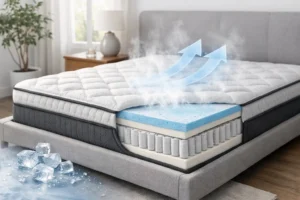
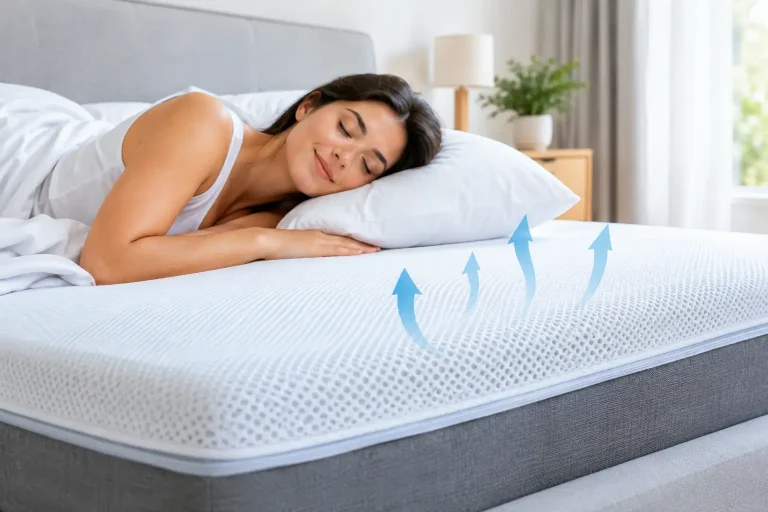
A more breathable mattress can make a meaningful difference, particularly for naturally warm sleepers and couples. Latex, cooling gel foams, and airflow through a pocketed spring core can help reduce the closed-in feeling associated with all-foam surfaces. Your bedding and bedroom temperature still matter, but your mattress should not be working against them.
6. You Are Adding Pillows, Blankets, or a Topper to Fix It
A topper can be a smart way to fine-tune comfort on a mattress that is still structurally sound. It can add a little softness, relieve pressure at the shoulders, or adjust the feel of a bed that is newer but not quite right. It cannot restore deep support to a mattress with sagging layers or exhausted springs.
If you are layering folded blankets under the sheets, using extra pillows beneath your hips, or replacing toppers repeatedly because the problem returns, you are likely treating the symptom rather than the cause. The support system underneath needs to be dependable first. Comfort layers should enhance that foundation, not compensate for its failure.
7. Your Mattress Is Nearing the End of Its Useful Life
There is no single expiration date for every mattress. Body weight, sleep position, construction quality, care, and whether it is used nightly all affect durability. Still, many mattresses begin to show meaningful performance decline after about seven to ten years, while premium materials and a well-built coil system may last longer.
Age alone is not the final test. A ten-year-old mattress that remains flat, supportive, and comfortable may not need immediate replacement. On the other hand, a cheaper mattress that is only a few years old may already be causing problems. Consider age alongside your sleep quality, visible wear, and how your body feels each morning.
8. Your Needs Have Changed Since You Bought It
The mattress that felt right years ago may no longer fit your life. Pregnancy, injury recovery, changing activity levels, weight changes, aging joints, or a new partner can all alter what your body needs from a sleep surface. A bed that once felt comfortably plush may now allow too much sink, while an old firm mattress may start creating sharp pressure at the shoulders and hips.
This is why firmness alone is not the whole decision. Side sleepers often need more contouring around the shoulders and hips, while back and stomach sleepers typically need reliable support through the midsection. Many people need a balance: enough cushioning to reduce pressure, paired with enough resistance to keep the spine from bowing.
What to Look for in Your Next Mattress
When several of these signs are present, focus on construction rather than marketing labels. A quality hybrid mattress can combine pressure-relieving comfort layers with a supportive pocket spring core. Latex can offer responsive cushioning, cooling gel foam can help manage warmth, and individually pocketed coils can support alignment while reducing partner disturbance.
Check the practical details, too. A meaningful warranty signals that a brand stands behind its materials, while a sleep trial or straightforward return policy reduces the pressure of buying online. Certifications for foam and fabric can also provide added reassurance about the materials brought into your bedroom.
At Azure Mattress, the goal is not simply a softer bed. It is a sleep system designed around the outcomes that matter most: calmer nights, better spine and joint support, cooler comfort, and fewer interruptions when someone beside you moves.
Your body gives useful feedback every morning. If your mattress is leaving you sore, hot, restless, or unsupported, give that feedback the attention it deserves. A better sleep surface is not an indulgence when it helps you wake ready to move, focus, and recover.