A partner getting up at 5 a.m. should not feel like an alarm clock for the other side of the bed. That is the real standard behind a zero motion transfer mattress review: not a dramatic showroom demo, but whether you can change positions, get in late, or leave for work without breaking someone else’s sleep.
For couples, light sleepers, and anyone sharing a bed with a restless sleeper, motion isolation is a practical comfort feature. It protects the deeper stages of sleep that support recovery, mood, and a clearer morning. But “zero motion transfer” is also a claim worth examining closely. The best mattresses dramatically reduce movement across the surface. No mattress can erase the sensation of a partner launching themselves onto the bed or allowing a pet to land directly beside you.
The difference comes down to construction. A well-designed hybrid mattress can isolate everyday movement while still delivering the responsive support, pressure relief, and airflow that many all-foam beds struggle to balance.
Zero Motion Transfer Mattress Review: What to Check
A mattress should be judged by what happens beneath its cover. Motion spreads when materials act as one large connected surface. Traditional open-coil spring mattresses are a familiar example: pressure on one area can travel through the spring network, creating a bounce that reaches the other sleeper.
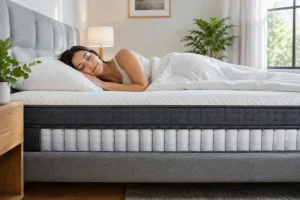
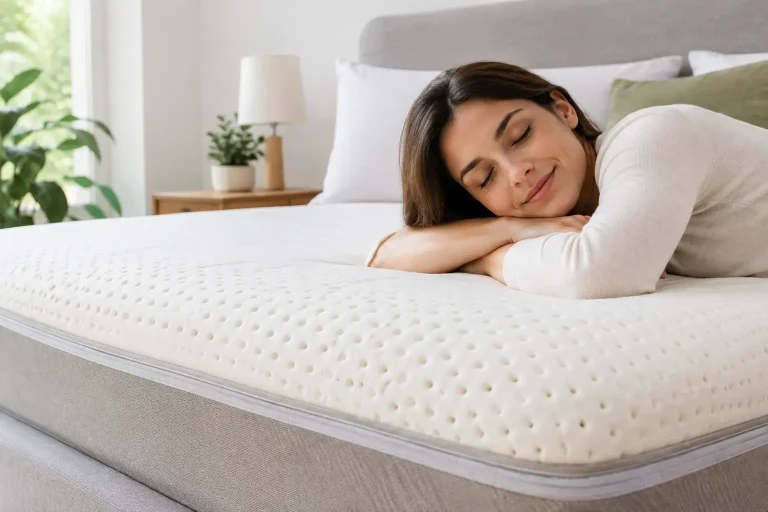
A motion-isolating hybrid works differently. Individually pocketed springs are wrapped and designed to respond more independently. When one person shifts, the springs beneath that person compress rather than pulling an entire spring system into motion. Above them, comfort layers of latex and cooling gel foam absorb and dampen the remaining vibration.
This layered approach matters because couples rarely have only one sleep concern. A mattress that limits movement but leaves your lower back unsupported is not a complete solution. Neither is a deeply contouring foam bed that traps heat and makes it difficult to change positions. The strongest designs combine controlled movement with stable spinal support and breathable materials.
The simple at-home test
If you are trying a mattress in person, place a full glass of water or a lightweight object on one side. Then sit, lie down, and change positions on the other side. The goal is not absolute stillness. Look for a surface where the glass barely ripples during normal movement.
At home, your own experience is more meaningful. Notice whether your partner’s turning wakes you, whether the mattress rebounds sharply after they stand up, and whether edge movement travels toward the center. Give your body time to adjust, especially if you are replacing an old spring mattress with a more supportive hybrid.
Why Pocket Springs Make a Meaningful Difference
Pocketed coils are one of the most useful features for sleepers who want motion isolation without a dense, stuck-in-the-bed feel. Each coil responds to localized weight, helping reduce transfer while supporting the body where it needs it most.
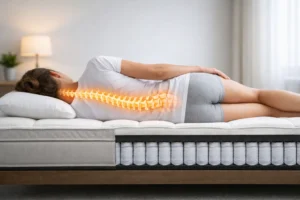
For back and joint comfort, this targeted response can be especially valuable. Shoulders and hips create pressure points, while the waist and lower back need steadier reinforcement. A structured pocket spring system helps the mattress contour around heavier areas without allowing the entire surface to sink. That can support a more neutral spinal position and make movement through the night feel less disruptive.
There is a trade-off. Coil count alone does not tell the full story. The gauge of the steel, the zoning of the system, the quality of the pockets, and the layers above the coils all affect performance. A mattress with many coils but thin, low-quality comfort layers may still feel bouncy. A thoughtfully engineered hybrid uses the coil system as a stable foundation, then adds materials that cushion and absorb movement before it reaches the other side.
Latex, Cooling Foam, and the Feel of the Surface
The upper comfort layers determine whether motion isolation feels calm or overly restrictive. Cooling gel foam can soften pressure while helping limit the heat buildup often associated with traditional memory foam. This is useful for sleepers who wake warm or who need pressure relief around the hips and shoulders.
Latex adds a different kind of comfort. It is responsive, buoyant, and naturally breathable. Rather than making you feel deeply sunk into the mattress, quality latex helps you change positions with less effort. For combination sleepers, that responsiveness can be a major advantage. You still receive contouring comfort, but your body is not fighting the surface every time you roll over.
Using these materials together creates a balanced feel: foam helps dampen vibration, latex adds resilient pressure relief, and pocket springs provide independent support. At Azure Mattress, this multi-layer hybrid approach is designed around the sleep concerns couples mention most often: partner disturbance, overheating, and waking with stiffness.
Who Benefits Most From Motion Isolation?
A zero motion transfer mattress is a high-value upgrade for couples with different schedules. If one person gets up early, comes home late, or frequently uses the bathroom overnight, less movement across the bed can preserve the other person’s rest.
It also helps light sleepers. Some people do not fully wake when a partner moves, but their sleep is still interrupted enough to reduce how refreshed they feel. If mornings bring fatigue despite spending enough hours in bed, partner movement may be part of the problem.
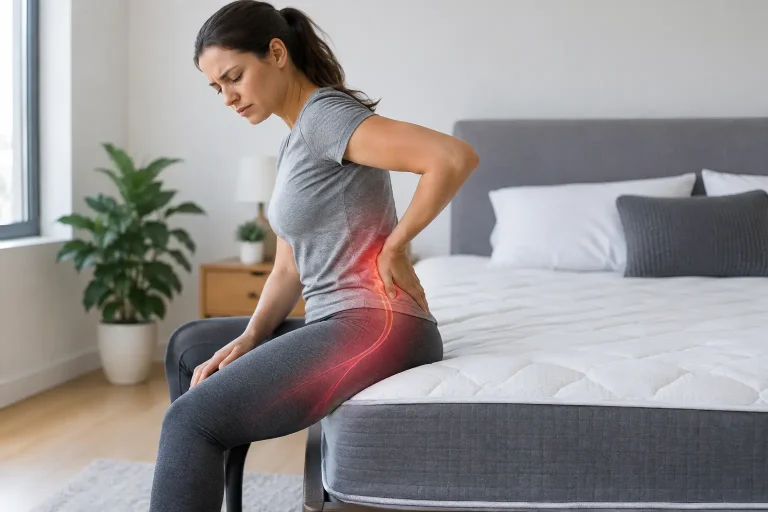
People with back pain or joint discomfort may benefit for another reason. A motion-isolating mattress is often paired with more controlled support. When your partner moves, you are less likely to be jostled out of a comfortable, aligned position. That does not replace medical care or solve every source of pain, but it can remove a nightly aggravation from the sleep environment.
Families can also see the value. A child climbing into bed after a bad dream or a pet jumping up in the morning creates less disruption on a well-isolated surface. Again, expectations matter. Direct impact near your body will always be noticeable. The win is preventing that impact from rolling through the full mattress.
When Motion Isolation Is Not Enough
Motion transfer is only one part of a good mattress decision. A bed can perform well in a glass-of-water test and still be wrong for your body if the firmness does not match your sleeping style or weight distribution.
Side sleepers generally need enough cushioning at the shoulder and hip to prevent pressure buildup. Back sleepers often need a more balanced surface that supports the lumbar area without excessive sinking. Stomach sleepers may need firmer support to keep the hips from dropping too far. Couples with different preferences should prioritize a mattress that has a stable core, pressure-relieving top layers, and enough room to spread out comfortably.
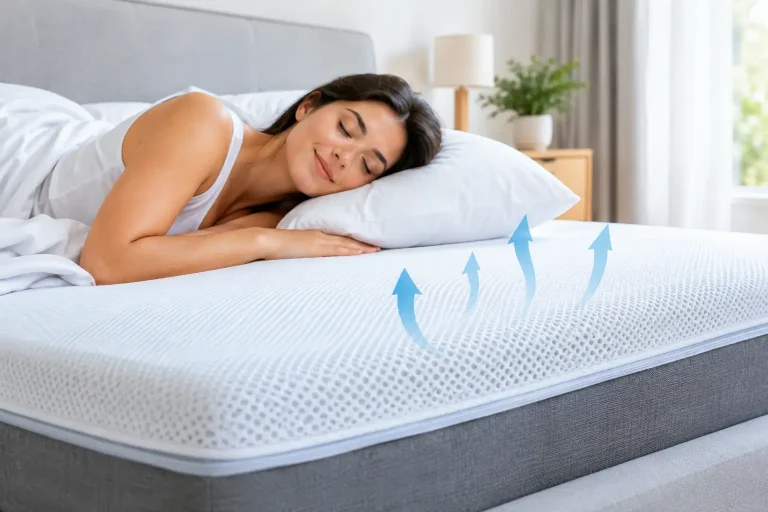
Temperature also deserves attention. If either sleeper runs hot, look beyond the word “cooling.” Breathable latex, gel-infused comfort foam, and airflow around pocket springs can help heat dissipate more effectively than dense, solid foam alone. A cooler sleep surface is not just about comfort. It can make it easier to stay asleep when your partner moves.
Finally, consider the base under your mattress. An uneven or weak foundation can undermine support and create noise or movement that no mattress can fully correct. Use a properly supported bed frame or foundation designed for the mattress size and weight.
A Better Standard for Shared Sleep
The best zero motion transfer mattress review is not about chasing a gimmick. It is about asking whether the mattress protects each sleeper’s comfort without compromising spinal support, pressure relief, or temperature regulation.
Look for independently responding pocket springs, comfort layers that absorb vibration, and materials that let you move easily when you need to. Certifications such as CertiPUR-US and Oeko-Tex can offer added reassurance about the materials used, while a meaningful warranty and a reasonable return policy help reduce the risk of buying online.
A peaceful bed should allow two people to sleep according to their own rhythms. When the surface stays stable, supportive, and cool, a partner’s movement becomes what it should be: their side of the bed, not your problem.