A mattress can feel comfortable yet still make mornings difficult if you wake with a stuffy nose, itchy eyes, or a persistent cough. The best mattress materials for allergies are not simply labeled “hypoallergenic.” They help create a drier, cleaner sleep environment that is less welcoming to dust mites, mold, and trapped irritants.
For most people, the real issue is not an allergy to the mattress material itself. It is exposure to dust mite allergens, pet dander, pollen, moisture, and particles that settle into bedding over time. That means the right material matters, but so do breathability, a removable cover, and how easily you can protect and clean the sleep surface.
What Makes a Mattress Better for Allergy Sufferers?
Dust mites thrive in warm, humid environments and feed on the skin cells people naturally shed at night. A mattress cannot eliminate them entirely, but a well-designed one can reduce the conditions they prefer. Look for materials that resist moisture retention, allow air to move through the mattress, and work well with a washable protector.
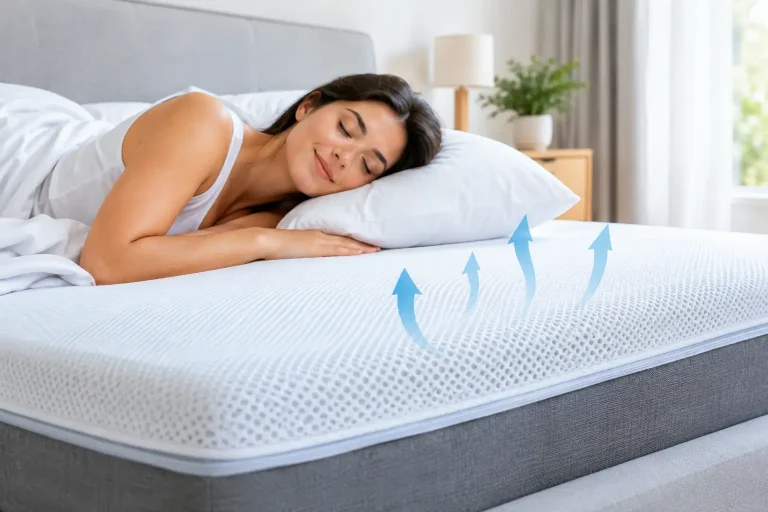
The construction also matters. A dense, sealed comfort layer may hold fewer particles than a thick, loose fiber fill, while an airflow-focused support system can help prevent the damp, overheated conditions associated with mold growth. For couples and hot sleepers, this can improve comfort as well as cleanliness.
Be careful with broad marketing claims. “Hypoallergenic” is not a guarantee that a mattress will solve allergies. It is more useful to assess the specific materials, certifications, cover design, and maintenance routine behind that claim.
Best Mattress Materials for Allergies, Compared
Natural latex: breathable pressure relief with one key caution
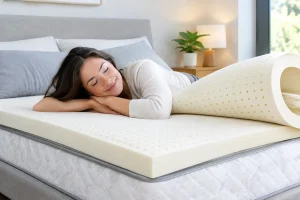
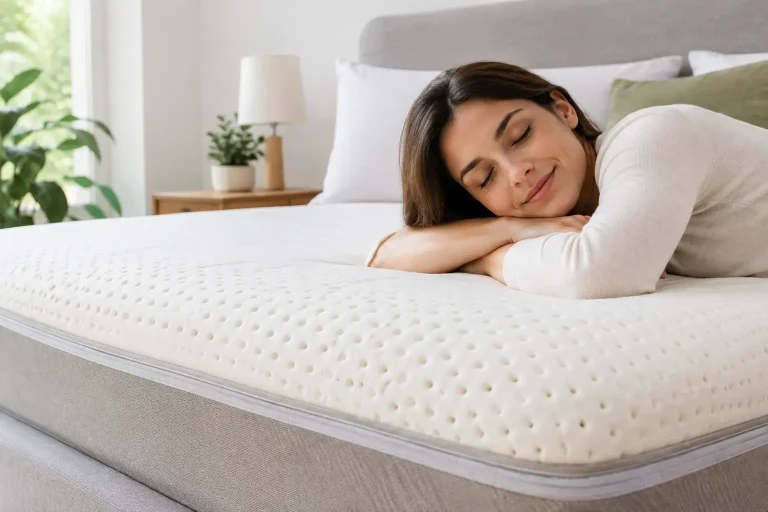
Natural latex is often a strong choice for allergy-conscious sleepers because it is resilient, breathable, and less likely to hold moisture than plush fiber-heavy materials. Its responsive feel also provides pressure relief without the deep, slow sink some sleepers experience with traditional foam. For people who wake with joint stiffness or need steadier spinal support, latex can add comfort without sacrificing ease of movement.
Latex has a naturally dense structure that is less hospitable to dust mites than many open, fluffy fills. Ventilated latex, with small airflow channels built into the layer, can further support cooler sleep.
There is one non-negotiable exception: anyone with a diagnosed latex allergy should avoid a latex mattress unless their physician says otherwise. Even though mattress latex is processed and enclosed beneath fabric layers, a known latex sensitivity deserves a more cautious approach.
Cooling gel foam: contouring comfort in a cleaner design
High-quality foam can be an effective option when it is used in a thoughtful, temperature-regulating mattress design. Foam creates a consistent surface with fewer open spaces than loose natural fillings, helping limit places where dust and debris can settle. It can also contour around the shoulders, hips, and lower back, reducing pressure points that interrupt restorative sleep.
The trade-off is heat. Some basic memory foams can retain warmth, and excess warmth can contribute to a humid sleep environment. Cooling gel foams, open-cell foams, and breathable cover fabrics are designed to address this issue by moving heat away from the body more efficiently.
For peace of mind, look for foam with credible low-emission certification, such as CertiPUR-US. This does not make foam allergy-proof, and it does not certify a mattress as free from all allergens. It does provide a useful standard for certain foam contents and indoor air emissions, which can matter for sleepers sensitive to odors or chemical off-gassing.
Pocketed coils: airflow where it counts
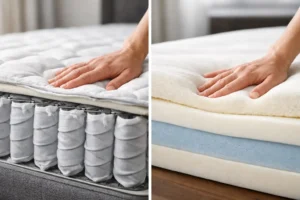
Individually pocketed coils are not an allergy material in the same way latex or foam is, but they can play an important role in an allergy-aware mattress. A coil core creates open space inside the mattress, allowing more air circulation than an all-foam design. Better airflow helps heat and moisture dissipate rather than becoming trapped beneath the sleeper.
Pocket springs also bring practical benefits beyond temperature control. Each coil responds independently, helping support spinal alignment while reducing motion transfer from a partner. If one person turns, gets up early, or settles into bed later, the other is less likely to feel the disturbance.
For many adults, a hybrid mattress that pairs breathable foam or latex with a pocketed coil system offers the most balanced solution: pressure relief at the surface, structured support underneath, and airflow through the core.
Cotton and moisture-managing covers: the first line of defense
Your body does not sleep directly on the mattress core. The cover and protector are the first materials exposed to sweat, skin cells, hair, dander, and household particles. A breathable, tightly woven cover can make a meaningful difference in how fresh the sleep surface feels over time.
Cotton is soft and familiar, but it can absorb moisture. That is not automatically a problem, especially when the cover is washable and the mattress has strong internal airflow. Still, sleepers who run hot or live in humid climates should prioritize a cover designed to wick moisture and dry quickly rather than a thick, quilted layer that stays damp.
An Oeko-Tex certified textile is another reassuring signal. It indicates that the fabric has been tested for harmful substances under the relevant standard. Like other certifications, it should be viewed as one part of a healthier sleep setup, not as a substitute for regular cleaning.
Wool and natural fibers: useful, but personal sensitivities matter
Wool can help regulate temperature and manage moisture because it absorbs vapor without feeling wet as quickly as some other fibers. For some sleepers, it is a comfortable natural option in a quilted top layer.
However, natural does not always mean best for every allergy sufferer. People can be sensitive to wool, lanolin, textile treatments, or the dust that accumulates in thick fiber layers. If you have reacted to wool clothing or bedding before, choose another material rather than assuming it will work in a mattress.
Materials and Designs to Think Twice About
Very thick pillow tops filled with loose fibers can feel luxurious at first, but they may be harder to keep clean than a smoother, more structured comfort layer. They can also retain warmth and moisture, particularly when paired with non-breathable bedding.
Low-quality foams are another concern, especially if they produce a strong odor after unboxing or trap substantial heat. A temporary new-mattress smell is common, but persistent odor may be uncomfortable for people with asthma or chemical sensitivities. Give any new mattress time to air out in a well-ventilated room before adding bedding.
This does not mean every all-foam mattress is a poor choice, or every pillow-top mattress is unsuitable. It means the quality of the materials, airflow design, and protective cover should guide the decision more than the label alone.
The Mattress Protector Is Not Optional
Even the best mattress material cannot stay clean without a barrier between it and nightly exposure. A fully encased, zippered mattress protector is one of the most effective additions for people with dust mite allergies. Unlike a fitted-sheet-style protector, an encasement covers the sides and underside as well as the top.
Choose a protector that is breathable, quiet, and labeled for frequent washing. It should fit the mattress depth correctly and close completely, leaving no gaps for dust to enter. A waterproof layer can be valuable for spills, sweat, children, and pets, but make sure it does not turn the bed into a heat-trapping surface.
Wash sheets and pillowcases weekly in hot water when possible, and follow the care instructions for the protector. Pillows also need protection and regular cleaning. Allergy relief rarely comes from one purchase. It comes from keeping the entire sleep system consistently clean.
How to Choose the Right Allergy-Friendly Mattress
Start with your dominant sleep problem. If you sleep hot and wake congested, prioritize breathable latex or cooling foam over a pocketed coil system, plus a moisture-managing cover. If back pain and partner movement are disrupting sleep, a hybrid construction can provide the firmer support and motion isolation you need while maintaining airflow.
Then consider your confirmed sensitivities. A latex allergy rules out latex. A history of irritation from strong odors may make certified low-emission foam and a well-ventilated setup more appealing. If you are unsure whether symptoms come from allergies, asthma, reflux, or another condition, speak with a healthcare professional rather than relying on mattress changes alone.
At Azure Mattress, a hybrid approach built around latex, cooling gel foam, and individually pocketed springs is designed to address the connected issues that often affect sleep quality: pressure, heat, and disturbance. Add a washable encasement and consistent bedding care, and your mattress becomes more than a comfort layer. It becomes a calmer foundation for the restorative sleep your body needs.
A cleaner bed will not replace medical treatment for allergies, but the right materials can reduce unnecessary triggers night after night. Choose the design that keeps you cool, supported, and able to maintain a fresh sleep surface with confidence.