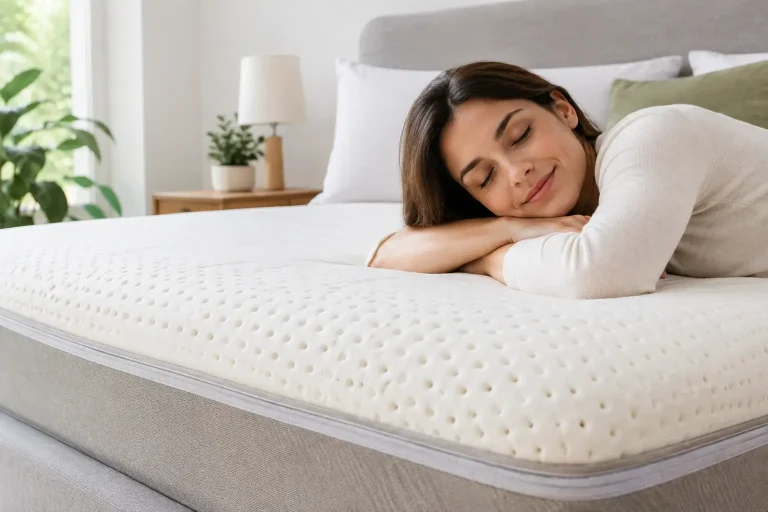
Waking up hot is rarely caused by one thing. Your room temperature, bedding, pajamas, and mattress all influence how heat builds around your body. A breathable mattress cover for hot sleepers can make a meaningful difference, but only when it protects the mattress without sealing in warmth, restricting airflow, or changing the feel of the bed you chose for support.
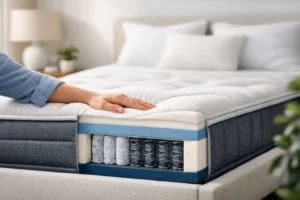
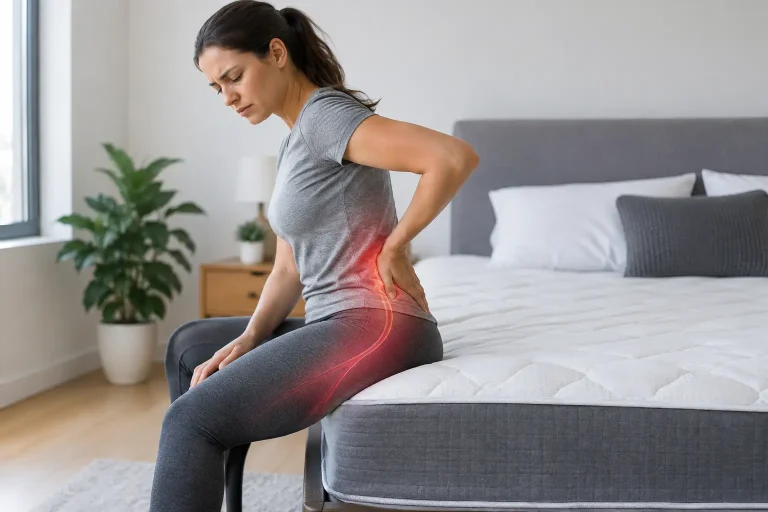
The right cover should work with your sleep system, not against it. For people managing back stiffness, joint pressure, or partner disturbance, that means preserving the comfort and responsiveness of a supportive hybrid mattress while helping excess heat move away from the body.
Why mattress covers can make hot sleep worse
A mattress cover sits between your fitted sheet and mattress. That placement makes it useful for guarding against sweat, spills, dust, and everyday wear. It also means the wrong material can create a barrier that holds heat close to the surface.
The most common issue is a dense waterproof layer. Traditional vinyl-style protectors may stop liquid effectively, but they can feel plasticky, make noise when you move, and reduce the airflow designed into a mattress. If your mattress uses breathable latex, cooling foam, or pocketed coils, a non-breathable cover can limit some of the temperature-regulating benefits you paid for.
That does not mean hot sleepers should skip protection. Sweat, accidental spills, and body oils can shorten the fresh, clean life of a mattress. The goal is to choose protection that is engineered for airflow and moisture management rather than a thick, heat-trapping shell.
What makes a breathable mattress cover for hot sleepers effective
Breathability is not just a marketing word. It comes down to fabric, construction, and how the cover handles moisture. A well-designed cover allows air to circulate at the surface while moving perspiration away from the body, helping you feel less sticky and disrupted during the night.
Choose breathable surface fabrics
Cotton is a familiar, practical option because it is soft, naturally breathable, and easy to care for. Look for a cotton-rich knit or terry surface if you prefer a classic, absorbent feel. It can help manage light perspiration, although it may take longer to dry than some performance fabrics.
Tencel or lyocell is another strong choice for warm sleepers. Made from wood-based fibers, it has a smooth hand feel and is known for moisture management. It can feel cooler and less clammy than heavier cotton fabrics, making it especially appealing if you wake up damp or overheated.
Bamboo-derived rayon is often used in cooling bedding as well. It can feel soft and light, but quality varies widely. Focus less on a bold “bamboo cooling” claim and more on the full construction, including whether the underside remains breathable.
Look for a breathable waterproof membrane
If you need waterproof protection, the membrane matters more than the word “waterproof” on the label. A thin polyurethane membrane is generally a better option than vinyl because it can block liquid while allowing water vapor to pass through. This helps perspiration evaporate instead of pooling beneath your sheet.
No waterproof cover will be as open to airflow as no cover at all. That is the trade-off. Still, a quality breathable membrane offers the most balanced solution for households that need reliable mattress protection without giving up cooler sleep.
Favor a thin, flexible profile
A heavily padded mattress cover may sound luxurious, but extra fill can retain warmth and change how your mattress supports your hips, shoulders, and lower back. This is particularly relevant when your mattress is designed with pressure-relieving foam, responsive latex, or contouring comfort layers.
For hot sleepers, thinner is often better. A low-profile cover preserves the intended feel of the mattress and allows more direct contact with its cooling surface. If you want additional softness, consider whether a separate breathable topper is a better choice than combining protection and thick padding in one layer.
Fit affects airflow and comfort
A cover that bunches beneath the sheet can interrupt sleep just as much as excess heat. It may pull tight across the surface, slide at the corners, or create wrinkles that place pressure under your shoulders and hips.
Measure your mattress depth before buying. Include any topper you use, then choose a cover with pocket depth that accommodates the full height. Deep-pocket elastic should hold the cover in place without compressing the mattress edges or making installation a nightly struggle.
A snug fit also matters for couples. When one sleeper turns over, loose material can shift and create extra noise or movement. A smooth, fitted cover supports the quiet, stable sleep environment that a pocket-spring mattress is designed to provide.
Don’t confuse a mattress cover with a cooling solution
A breathable cover can reduce one source of trapped heat, but it cannot overcome every reason you sleep hot. If your mattress is old, overly dense, or lacks airflow through its construction, a cover alone may offer only modest relief.
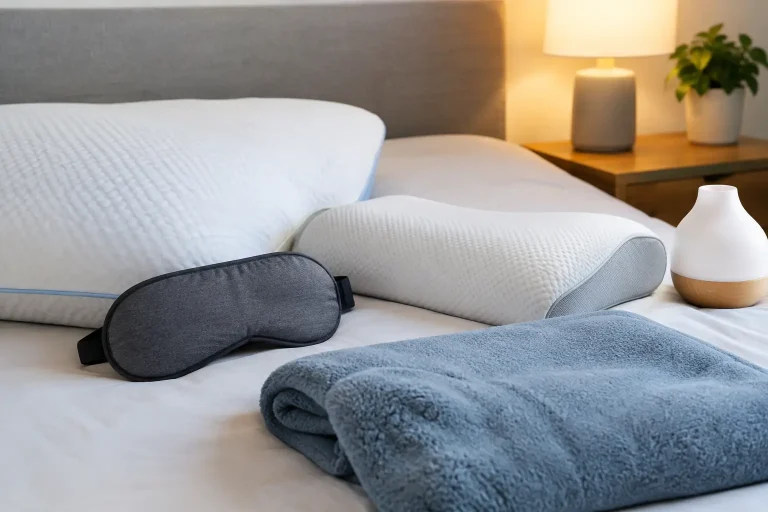
Your sheets matter, too. Breathable cotton percale, Tencel, linen, or lightweight performance fabric can help heat leave the body more efficiently than heavy microfiber. A light blanket and a bedroom temperature that suits your comfort level also make a measurable difference.
Most importantly, consider what lies beneath the cover. Hybrid mattresses are often a strong choice for warm sleepers because pocketed coils create open channels for air movement, while latex and cooling gel comfort layers can help reduce surface heat buildup. At Azure Mattress, this balanced construction is designed to support spinal alignment and pressure relief without forcing hot sleepers to choose between comfort and cooler rest.
How to compare mattress covers before you buy
Start with your real priority. If you have children, pets, frequent spills, or a mattress warranty that requires stain protection, waterproof performance should be high on the list. Choose a cover with a thin breathable membrane and confirm that it is machine washable.
If overheating is your main concern and spills are less likely, a lightweight cotton or Tencel cover without a waterproof backing may feel cooler. It will still provide a basic barrier against dust and surface wear, although it will not protect against a major accident.
Pay attention to noise claims as well. A cover may be technically breathable but still crinkle when you shift positions if the backing is stiff. Look for descriptions such as quiet, soft-knit, or flexible membrane, then wash the cover before first use when care instructions allow. This can soften the fabric and remove the packaged feel.
Certifications can provide extra reassurance, especially when the cover will sit directly beneath your bedding every night. Materials tested for harmful substances are a sensible choice for family homes and anyone with sensitive skin. Certifications do not automatically make a product cooler, but they can help you evaluate material quality with more confidence.
Care habits that keep the cover cool
Even the best breathable cover loses performance when it is coated with body oils, detergent residue, or heavy fabric softener. Wash it regularly according to the label, using a mild detergent and avoiding products that leave a waxy finish on the fibers or membrane.
Low heat drying is usually the safer route for waterproof covers. High heat can damage elastic, weaken the membrane, and reduce the cover’s useful lifespan. Keep a second cover on hand if possible, so your mattress stays protected while the first one is being washed and dried.
A cooler night does not require complicated sleep technology. It requires fewer barriers between your body and the airflow your mattress was built to provide. Choose a cover that is thin, quiet, fitted, and genuinely breathable, then let the comfort layers and support system underneath do their job.