A warm bedroom can turn a good mattress into a frustrating night of tossing, sweating, and waking up tired. This bedroom temperature sleep guide explains how to build a cooler sleep environment that supports deeper rest, whether you sleep hot, share a bed, or wake with stiffness that gets worse after a restless night.
Why Bedroom Temperature Changes Your Sleep
Your body temperature naturally drops as you prepare for sleep. That cooling process helps signal that it is time to rest. When your room, bedding, or mattress holds onto too much heat, your body has to work harder to release it. The result can be lighter sleep, more wake-ups, and that familiar feeling of throwing the covers off at 3 a.m.
For most adults, a bedroom between 60 and 67 degrees Fahrenheit is a strong starting point. This range is not a rigid rule. Some people feel best closer to 68 degrees, while others prefer a room near 60 degrees with a warmer blanket. The goal is not to make the bedroom cold. It is to create a stable, breathable environment where you can relax without overheating.
Temperature matters even more if you already deal with back pain, joint discomfort, or muscle stiffness. Broken sleep reduces the time your body has to recover. If heat repeatedly wakes you up, even a supportive sleep surface cannot deliver its full benefit.
Bedroom Temperature Sleep Guide: Start With the Room
Before buying new bedding, adjust the factors you can control every night. Set your thermostat lower about 30 to 60 minutes before bed so the room reaches a comfortable temperature as you start winding down. A sudden blast of cold air at bedtime can feel unpleasant, while a consistently cool room feels calmer and more natural.
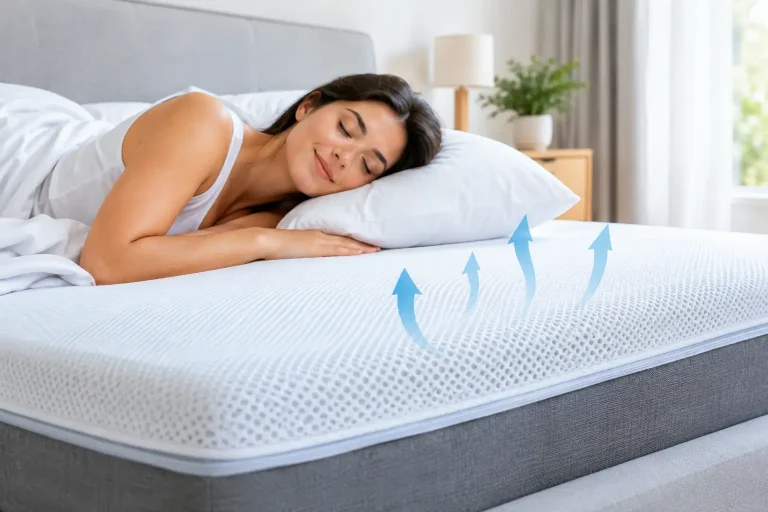
Air movement also makes a meaningful difference. A ceiling fan or quiet floor fan helps carry warm air away from your body and prevents stagnant heat from building beneath the covers. The fan does not need to point directly at your face. Often, gentle circulation across the room is enough to improve comfort.
Humidity deserves attention, especially in warmer climates or during rainy seasons. High humidity makes it harder for sweat to evaporate, so a room can feel hot even when the thermostat looks reasonable. If your bedroom feels damp, sticky, or stuffy, a dehumidifier or air conditioner can make the space feel noticeably cooler without forcing the temperature too low.
Light and heat often arrive together. Close blinds or curtains during the hottest part of the day to reduce solar heat gain, then open windows in the evening only if outdoor air is cooler and pollen levels are manageable. Small adjustments made before bedtime are often more effective than trying to fix discomfort after you wake up sweating.
Choose Bedding That Releases Heat
Your bedding can either help your body cool down or trap warmth close to your skin. Heavy synthetic comforters, dense polyester fills, and non-breathable mattress protectors are common sources of overnight heat buildup. They may feel cozy at first, then become uncomfortable once your body settles into deeper sleep.
For sheets, breathable natural fibers such as cotton, linen, or bamboo-derived fabrics can help move moisture away from the body. Cotton percale has a crisp, airy feel. Linen is highly breathable but has a more textured finish. Softer knit fabrics can feel comfortable, but they may retain more warmth depending on their weight and weave.
Your blanket should match both the room temperature and your personal sleep style. Couples often run into trouble by choosing one thick comforter that suits only the colder sleeper. Separate blankets are a practical solution, not a compromise. Each person can choose the warmth level that supports their own comfort without starting a nightly battle over the thermostat.
A mattress protector is worth reviewing too. Protection matters, but a thick waterproof layer without airflow can hold heat against the mattress surface. Look for a protector designed with breathable materials and a fitted construction that does not bunch beneath your sheets.
Your Mattress May Be Holding Onto Heat
If your room is cool and your bedding is light but you still wake up hot, the mattress may be part of the problem. Dense, traditional foam can absorb body heat and soften around you. That close body contour can feel pressure-relieving, yet it may limit airflow around the hips, shoulders, and back.
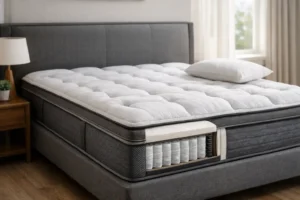
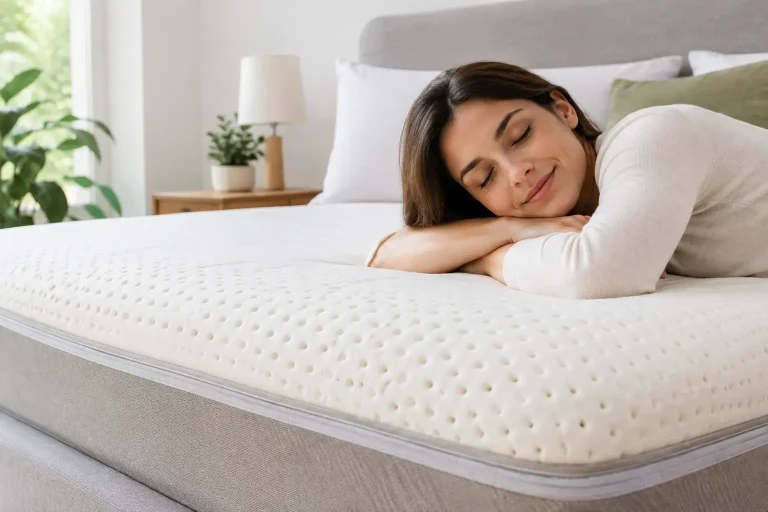
A well-designed hybrid mattress addresses this trade-off by combining pressure relief with better ventilation. Individually pocketed springs create open space for air to move through the mattress, while responsive latex and cooling gel foam layers can help reduce the heat-trapping feel associated with all-foam designs. The right construction should support spinal alignment without leaving you feeling buried in the bed.
This matters for people who sleep with pain as much as those who sleep hot. A mattress that is too soft may allow the lower back or hips to sink out of alignment. A surface that is too firm can create pressure points that lead to position changes throughout the night. When support, pressure relief, and temperature regulation work together, your body is more likely to stay settled.
At Azure Mattress, hybrid designs are built around that balance: responsive comfort layers for pressure relief, structured pocket springs for stable support and lower motion transfer, and materials selected to encourage a cooler sleep surface. A cooling mattress will not replace a hot, poorly ventilated bedroom, but it can prevent your bed from becoming the place where heat gets trapped.
Make Adjustments for Your Sleep Style
The best sleep temperature depends on what happens in your bed, not just what the thermostat says. Side sleepers may prefer a slightly warmer room or a breathable but insulating comforter because more of the body is exposed to the air. Stomach sleepers often feel warmer due to closer contact between the torso and mattress. Back sleepers may find it easier to regulate temperature, especially on a mattress with good airflow.
Night sweats can have several causes, including stress, alcohol, spicy food, medication, hormonal changes, illness, or an overly warm sleep environment. If sweating is new, severe, or persistent, speak with a healthcare professional. For everyday heat discomfort, keep a light extra layer nearby instead of committing to a heavy comforter all night. It is easier to add warmth at 4 a.m. than to cool down after heat has built up.
Couples need to account for shared body heat. Two people, one mattress, and one comforter naturally create a warmer sleep zone. A king-size bed provides more room for airflow than a smaller shared bed, but the immediate fix can be simpler: use a fan, choose breathable sheets, and give each person a separate blanket.
A Simple Cooling Routine Before Bed
Your pre-sleep routine can either support or fight your bedroom setup. A lukewarm shower about an hour before bed may help your body release heat afterward. Avoid a very cold shower if it leaves you alert or shivering, and avoid a very hot bath immediately before bed if you are prone to overheating.
Keep evening meals lighter when possible, particularly on hot nights. Alcohol can make you feel sleepy at first but often disrupts sleep later and may increase sweating. Intense late workouts can also raise core temperature for a while. If nighttime exercise is your only option, allow enough time afterward for your body to cool down.
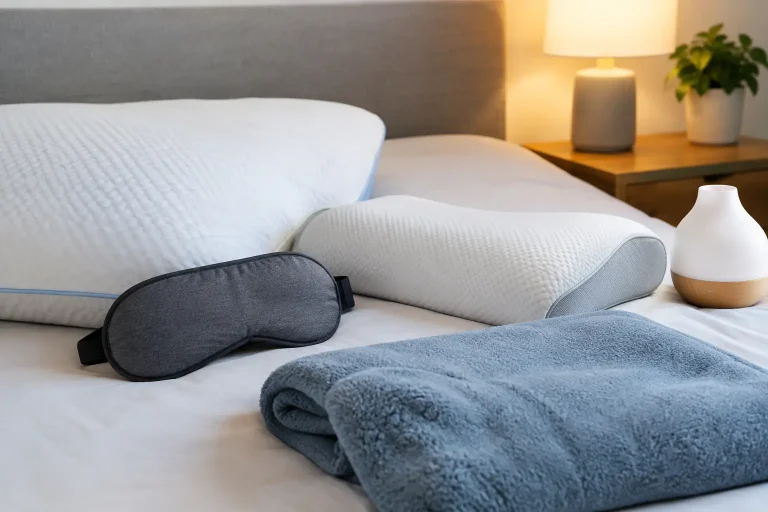
Wear lightweight, breathable sleepwear, or skip extra layers if that feels more comfortable. The right choice is personal, but tight synthetic clothing can trap warmth and moisture. Keep water beside the bed, not because hydration replaces cooling, but because waking thirsty can add another interruption to an already restless night.
When a Cooler Room Feels Too Cold
A lower thermostat setting is not automatically better. If you wake with cold hands, tense shoulders, or a chilled nose while the rest of your body feels fine, you may need targeted warmth rather than a warmer entire room. Try socks, a lighter layer over your shoulders, or a breathable blanket that can be adjusted easily.
This approach is especially useful for partners with different temperature needs. Maintain a cool room for the warmer sleeper, then let the colder sleeper add insulation through their own bedding. It protects sleep for both people better than overheating the whole room.
A peaceful bedroom is not defined by one perfect number on the thermostat. It is a space where cool air, breathable layers, and reliable support let your body settle without interruption. Start with one change tonight, pay attention to how you feel in the morning, and build a sleep environment that helps you wake up restored rather than overheated.