Waking up hot at 3 a.m. is not always a bedroom-temperature problem. Often, heat is collecting where your body meets the bed: inside dense comfort layers, under non-breathable sheets, and around areas that carry the most pressure. To reduce mattress heat buildup, you need to improve airflow across the entire sleep system, not just turn the air conditioner lower.
Cooler sleep matters for more than comfort. When you are tossing, throwing off the blanket, or shifting away from a warm spot, restorative sleep becomes harder to maintain. The right adjustments can help your body settle into a more peaceful, less interrupted night.
Why Your Mattress Holds Heat
Your body naturally gives off heat while you sleep. A mattress should allow that warmth and moisture to move away rather than trapping it around your back, hips, and shoulders. When materials hold onto heat, the surface can feel warmer as the night goes on, especially for people who sleep on their side or share a bed.
Traditional all-foam mattresses are a common source of this issue. Dense foam can contour closely to the body, which may feel soft at first but can reduce the open space needed for air to circulate. A mattress with a thick, solid foam core may also retain the heat it absorbs over several hours.
The room itself plays a role, but it is only part of the picture. Humidity, a waterproof mattress protector, heavy bedding, and even a solid platform base with no ventilation can all contribute to a warmer sleep surface. This is why a cooling solution should be evaluated layer by layer.
How to Reduce Mattress Heat Buildup at Its Source
The most effective way to sleep cooler is to start with the mattress construction. Look beyond marketing terms such as “cooling” and consider how the materials actually manage heat.
Choose breathable comfort materials
Latex is naturally more breathable than many conventional foams because of its open-cell structure and responsive feel. Instead of allowing your body to sink deeply into one position, it provides buoyant pressure relief that can keep more air moving around you. For sleepers with back stiffness or joint discomfort, this responsive support can be especially valuable: you get contouring where you need it without feeling swallowed by the mattress.
Gel-infused foam can also help moderate surface warmth. Gel does not make a mattress permanently cold, and no mattress should promise that. What it can do is help distribute heat more evenly so it does not concentrate beneath your body as quickly. The best result comes when cooling foam is paired with breathable materials and a support system that promotes airflow below.
Prioritize a pocket spring support system
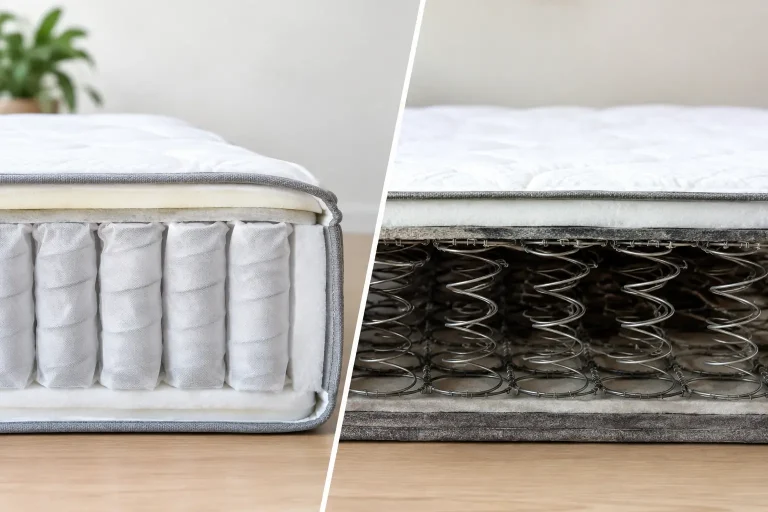
A hybrid mattress combines pressure-relieving comfort layers with individually pocketed springs. Those springs create open channels inside the mattress, allowing heat to dissipate more effectively than it can through a dense foam block.
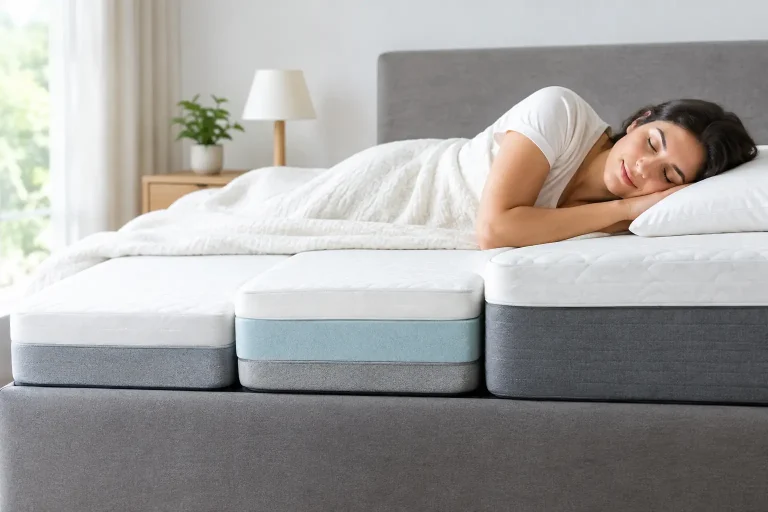
There is another practical benefit. Pocket springs respond independently to movement, supporting more stable spinal alignment while helping limit motion transfer across the bed. That means couples do not have to choose between cooler airflow and reduced partner disturbance. A well-engineered hybrid can address both.
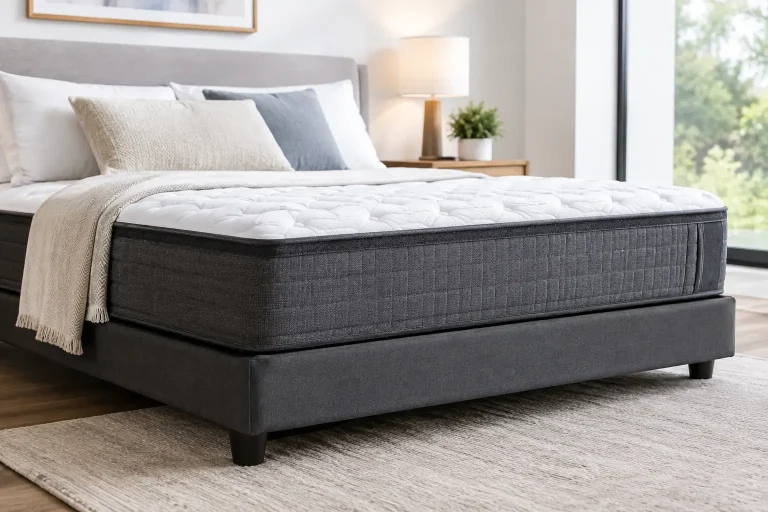
At Azure Mattress, hybrid construction is designed around this balance: breathable layers for temperature regulation, targeted support for the spine and joints, and individually pocketed springs to help minimize disruption from a partner’s movement.
Avoid excessive sink
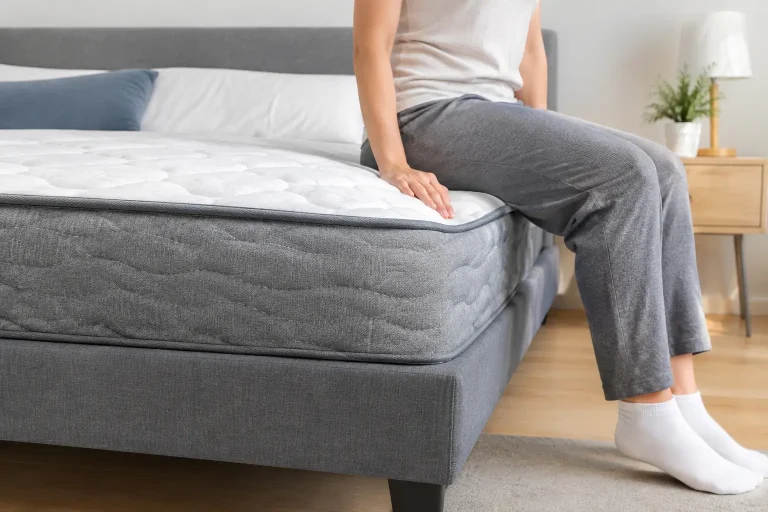
A plush surface is not automatically hot, but deep sink can make it harder for heat to escape. If you often wake sweaty around your shoulders, lower back, or hips, your mattress may be allowing too much compression in those areas.
The goal is not a hard bed. It is balanced support that keeps your body comfortably aligned and slightly elevated rather than deeply enclosed by the comfort layer. Your preferred sleep position, body weight, and sensitivity to pressure all matter here. Side sleepers may need more cushioning at the shoulders and hips, while stomach sleepers usually benefit from a firmer, more level surface.
Upgrade the Layers Closest to Your Skin
If your current mattress is still supportive, the bedding around it may be the easier place to begin. A few changes can make a noticeable difference without replacing the whole bed.
Start with your sheets. Cotton percale, linen, and bamboo-derived fabrics are popular because they feel lighter and allow more air movement than tightly woven synthetic fabrics. Percale cotton has a crisp, breathable feel. Linen is exceptionally airy but can feel more textured. Bamboo-derived options are often smooth and moisture-wicking, though quality varies by weave and finish.
Your mattress protector deserves the same attention. A fully waterproof protector can be useful for children, pets, allergies, or accident protection, but some versions add a less breathable barrier directly over the mattress. Choose one labeled breathable and thin, ideally with a fabric surface that does not feel plasticky. Protection is worthwhile, but it should not cancel out the cooling design of your mattress.
A topper can help if the mattress surface feels too firm, but material selection is critical. A thick topper made from dense memory foam may increase heat retention. Consider a ventilated latex topper or a thinner cooling topper when you need pressure relief without adding another heat-trapping layer.
Make Your Bedding Work With Your Body
Heavy comforters can hold warmth long after your body has cooled down. Swap seasonal bedding instead of forcing one bulky setup to work all year. A lightweight quilt, breathable duvet insert, or layered blanket system gives you more control during the night.
For couples, separate blankets can be surprisingly effective. One person may need a lighter cover while the other prefers more warmth. Separate bedding reduces the constant compromise and can also limit disturbances when one partner moves or adjusts the covers.
Your sleepwear matters, too. Loose, lightweight cotton or moisture-wicking fabric usually performs better than thick pajamas. If you prefer sleeping in minimal clothing, focus even more on breathable sheets and a mattress surface that manages moisture well.
Improve Airflow Under and Around the Bed
Mattresses need ventilation from below as well as above. A slatted foundation or bed base with adequate spacing can support airflow under the mattress. In contrast, placing a mattress directly on the floor or on an unventilated solid surface may encourage heat and moisture to collect beneath it.
Keep the area around the bed reasonably open. Heavy bed skirts, storage packed tightly underneath, and a bed pushed against a warm exterior wall can limit air movement. These details will not transform an overheated mattress on their own, but they can strengthen the effect of breathable materials.
Room conditions still count. Most people sleep more comfortably in a cool, dark room, and a fan can help move warm air away from the bed surface. If outdoor humidity is high, air conditioning or a dehumidifier may be more helpful than a fan alone. A fan circulates air, but it does not remove moisture already trapped in the room.
Watch for Heat From Everyday Habits
Small routines can add warmth before your head even touches the pillow. Charging devices, bright screens, vigorous late-night exercise, alcohol, spicy meals, and a very hot shower can raise body temperature or make your sleep environment feel warmer. You do not have to eliminate every habit, but noticing patterns can reveal why certain nights are harder than others.
If heat is new, intense, or accompanied by night sweats that regularly soak your bedding, do not assume your mattress is the only cause. Medication changes, stress, hormonal changes, illness, and other health concerns may contribute. A clinician can help when overheating is persistent or affecting your well-being.
Know When the Mattress Is the Real Problem
A cooling sheet set can improve the feel of a bed, but it cannot fully correct a mattress that has lost support, developed deep impressions, or consistently traps heat. If the mattress feels warmer every year and you are also waking with stiffness or pressure-point discomfort, the internal materials may no longer be performing as intended.
When comparing a replacement, ask direct questions. What comfort layers are used? Are they breathable or ventilated? Does the support core allow air to move through the mattress? Will the surface keep you aligned without excessive sink? Certifications such as CertiPUR-US and Oeko-Tex can also provide added reassurance about material standards, though they do not replace thoughtful construction.
Cooler sleep is rarely about one miracle fabric or a single setting on the thermostat. It comes from a mattress that releases heat, bedding that breathes, and a sleep environment that lets your body recover without fighting for a comfortable position. Start with the layer causing the most discomfort, then build toward a bed that feels calm, supported, and genuinely restful night after night.