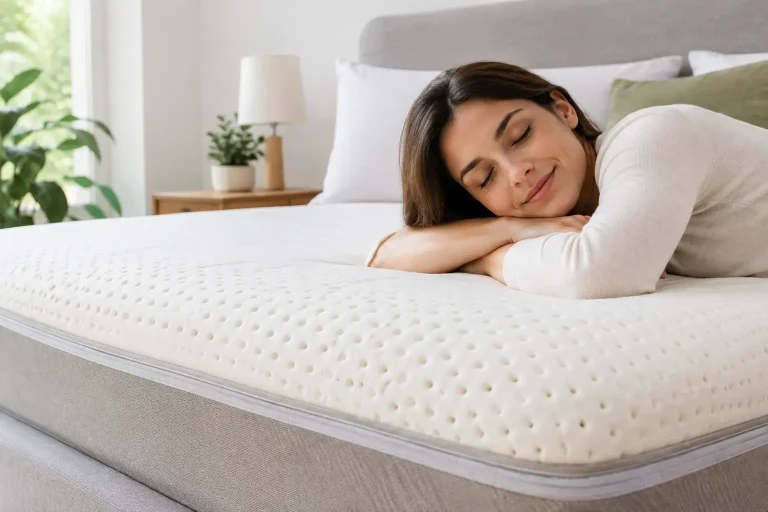
A mattress can feel plush in a showroom and still leave you waking up with a tight lower back, numb shoulders, or stiff hips. That is why the most meaningful mattress trends for pain relief are moving beyond a simple firm-versus-soft choice. The focus is shifting toward how a mattress manages pressure, keeps the spine supported, controls heat, and responds to movement throughout the night.
For people who wake up sore, the goal is not the softest possible surface. It is a sleep system that helps the body stay in a more neutral, relaxed position for hours at a time. The right construction can make bedtime feel less like another source of discomfort and more like the recovery period it should be.
Mattress Trends for Pain Relief Are Getting More Precise
The biggest change in pain-relief mattress design is precision. Older mattresses often relied on one dominant material: a basic spring unit, a thick slab of foam, or a firm fiber pad. Modern designs increasingly combine several materials, each assigned a specific job.
A well-built hybrid mattress is a strong example. Individually pocketed coils provide a structured, responsive base that helps support the natural curve of the spine. Comfort layers above the coils can then cushion pressure-prone areas such as the shoulders, hips, knees, and lower back. Rather than forcing every part of the body onto the same flat surface, the mattress can respond differently where support and relief are needed.
This matters because pain does not come from one cause. A side sleeper may need deeper shoulder cushioning but stable hip support. A back sleeper may need gentle contouring under the lower back without sinking too far through the midsection. Couples may need all of that while also avoiding the disruption of a partner turning over at 3 a.m. Better mattress engineering is starting to address these needs as connected problems, not isolated features.
Zoned support is replacing one-feel-for-all designs
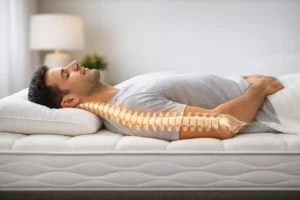
Zoned support is one of the most practical developments for sleepers with back discomfort. Instead of using the same level of resistance from head to toe, a zoned mattress is designed with targeted support across different areas of the body. The center third is commonly made more supportive to help prevent the heavier pelvic area from dipping too deeply.
That extra stability can be useful for people whose lower backs feel strained in the morning. When the hips sink below the shoulders, the spine can fall out of alignment. On the other hand, a surface that is too rigid around the shoulders and hips can create pressure buildup and encourage restless shifting.
The best balance depends on body type and sleep position. A lighter sleeper may experience a medium mattress as firm, while a heavier sleeper may need stronger coil support and more durable comfort layers to avoid excessive sink. There is no single firmness level that solves every type of pain, which is why construction matters more than a label alone.
Latex is gaining attention for responsive pressure relief
Memory foam remains popular because it contours closely around the body. But more shoppers are looking at latex for a different kind of pressure relief: buoyant, responsive cushioning. Latex can gently conform at the shoulders and hips while helping the body feel more lifted on the surface instead of deeply enveloped.
For sleepers who change positions often, that responsiveness can be a meaningful advantage. A mattress should allow you to move naturally, not make every turn feel like climbing out of a crater. Latex layers are also valued for durability and airflow, making them a smart component in a hybrid construction built for long-term comfort.
The trade-off is feel. People who love a deep, slow memory-foam hug may find latex more springy. Others prefer that quicker response because it reduces the stuck feeling that can make an already uncomfortable night feel longer.
Cooling Is Becoming Part of Pain Management
Heat may not be the direct cause of back or joint pain, but overheating can make pain harder to ignore. When you wake up sweaty, toss repeatedly, or sleep lightly because the mattress traps warmth, the body loses valuable uninterrupted recovery time.
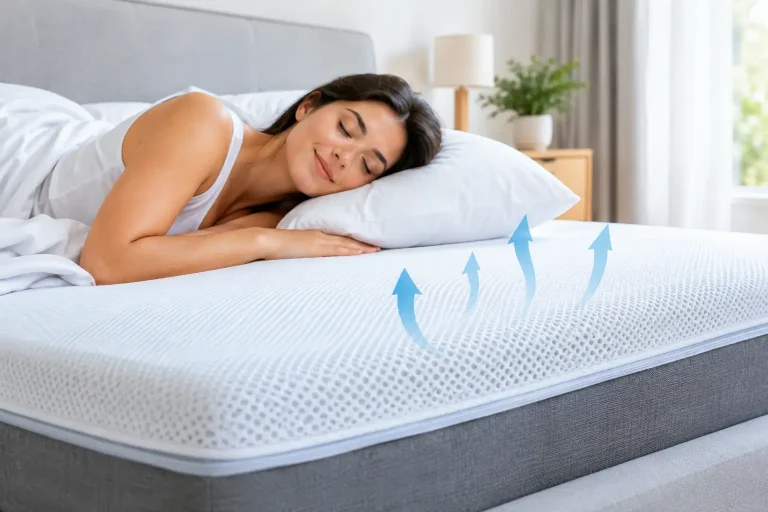
That is why cooling is no longer treated as a luxury add-on. It is becoming a central part of mattress performance. Cooling gel foams, breathable latex, ventilated comfort layers, and coil systems that allow air to circulate can help reduce heat buildup around the body.
Hybrid mattresses have a natural advantage here. Unlike a solid foam core, a pocketed spring system leaves room for airflow through the mattress. Paired with cooling comfort layers, this construction can help create a more temperature-balanced sleep surface without giving up the pressure relief many sore sleepers need.
Be realistic about what cooling claims mean. A mattress cannot turn a warm bedroom into an arctic sleep environment. Your room temperature, bedding, pajamas, and personal metabolism all matter. But a breathable mattress can reduce the insulating effect that leaves many foam-mattress owners feeling uncomfortably warm by midnight.
Motion Isolation Is Now a Recovery Feature
For couples, pain relief often depends on something simple: staying asleep. If one person gets up early, shifts positions frequently, or returns to bed late, the other person may spend the night in fragments. Interrupted sleep can leave muscles feeling tense and make existing discomfort feel more severe the next day.
Individually pocketed coils are a major trend for this reason. Each coil moves more independently than a connected spring system, helping limit the movement that travels across the bed. Foam and latex comfort layers can add another level of motion absorption above the coils.
No mattress makes all movement disappear. A restless partner, energetic pet, or child climbing into bed will still create some disturbance. But a mattress designed for motion isolation can make a noticeable difference for light sleepers and couples with different schedules. More continuous sleep gives the body more opportunity to recover, and that is a benefit worth taking seriously.
Materials Are Being Judged by What They Support
There is growing skepticism around vague claims like “luxury comfort” or “premium feel.” Shoppers with back pain want to know what is inside the mattress and why it belongs there. That is a positive change.
Look for materials that have a clear purpose. Pocketed coils should provide stable, individually responsive support. Latex should deliver resilient cushioning and airflow. Cooling gel foam should help manage surface heat while relieving pressure. High-quality foams should retain their shape instead of quickly developing soft spots that compromise alignment.
Certifications can also help shoppers understand what they are bringing into their bedroom. Oeko-Tex certification is associated with textile testing standards, while CertiPUR-US certification applies to foam content and emissions standards. These labels do not guarantee that a mattress will eliminate pain, but they provide useful reassurance when evaluating material quality.
Durability belongs in the pain-relief conversation, too. A mattress that feels supportive in month one but sags within a few years can become a source of discomfort rather than a solution. Strong coil systems, resilient comfort materials, and a substantial warranty are practical signs that a mattress is designed for sustained performance.
How to Read These Trends for Your Body
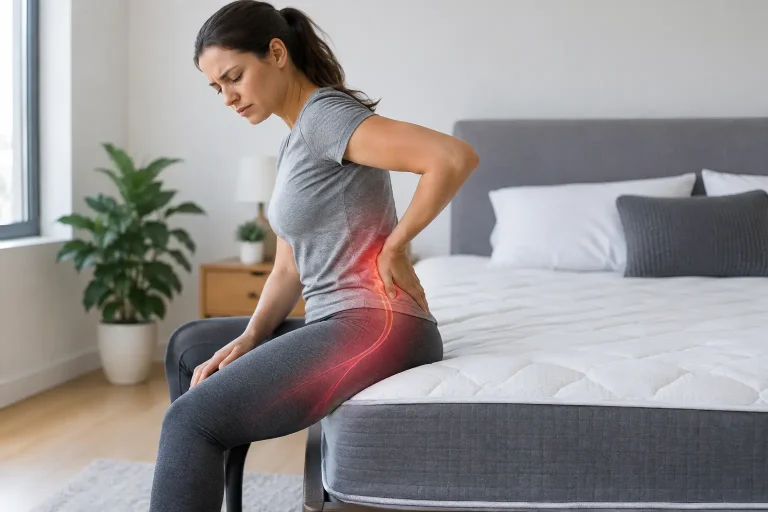
Trends are useful only when they lead to a better personal decision. Start with the discomfort you notice most often. Shoulder numbness and hip soreness usually point toward a need for more pressure relief. Lower-back tightness may signal inadequate support through the midsection, though a mattress that is too firm can also create tension by preventing the hips and shoulders from settling naturally.
Your sleeping position should guide the next step. Side sleepers often benefit from a medium to medium-plush comfort surface with reliable underlying support. Back sleepers commonly do well with a balanced medium feel that keeps the hips from sinking. Stomach sleepers generally need a firmer, flatter surface to reduce excessive arching through the lower back, although personal comfort still matters.
If pain is sudden, severe, persistent, or linked to an injury, numbness, or weakness, a mattress should not be treated as a medical replacement. Seek guidance from an appropriate health professional. A supportive bed can improve sleep comfort and reduce everyday strain, but it cannot diagnose or treat the underlying cause of pain.
For many people, the strongest choice is a hybrid that combines pressure relief, spinal support, cooling, and motion control in one design. Azure Mattress builds around this principle with layered latex, cooling gel foam, and individually pocketed springs designed to support more peaceful, less disrupted sleep.
The most useful trend is not a new buzzword or an exaggerated promise. It is a mattress built to help your body settle into a supported position, stay comfortably cool, and remain asleep long enough to feel the difference in the morning.