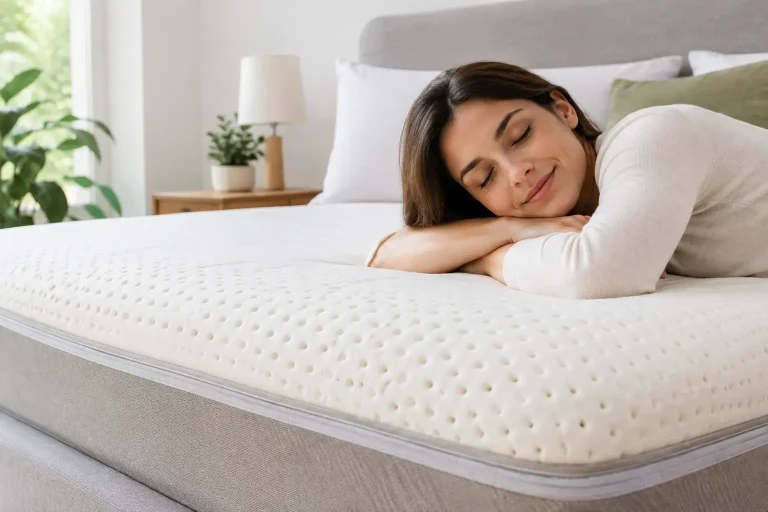
If you wake up with a tight lower back, sore shoulders, or that familiar feeling that you never fully settled overnight, firmness is usually part of the problem. A good mattress firmness guide helps you cut through vague labels like plush or firm and focus on what actually affects sleep quality – spinal alignment, pressure relief, motion control, and temperature balance.
The mistake most people make is assuming firmer always means better support. It does not. Support and firmness are related, but they are not the same thing. A mattress can feel soft on top and still hold your spine in a healthy position if the underlying structure does its job. It can also feel firm yet create pressure points that leave you tossing, turning, and waking up stiff.
What mattress firmness really means
Firmness is simply how a mattress feels when you lie on it. Most brands use a 1 to 10 scale, with 1 being very soft and 10 being very firm. In real-world shopping, the most useful range is 3 to 8, because very few adults sleep well on the extremes.
Soft mattresses usually sit around 3 to 4. They allow more sink and more contouring around the shoulders and hips. Medium mattresses fall around 5 to 6 and tend to balance cushioning with support. Medium-firm options, often around 6 to 7, are where many adults land comfortably because they keep the body more level without feeling hard. Firm models, around 7 to 8, feel flatter and more stable, with less give under heavier body areas.
What matters is not chasing the highest number. It is choosing the level that keeps your spine aligned while reducing pressure buildup. That balance is what usually determines whether you wake up restored or worn out.
Mattress firmness guide by sleep position
Your sleep position is one of the clearest ways to narrow your choice. Different positions load the body differently, so the right feel for a side sleeper can be completely wrong for a stomach sleeper.
Side sleepers
Side sleepers usually need more surface cushioning because the shoulders and hips press deeply into the bed. If the mattress is too firm, those pressure points take the hit and the spine can get pushed out of alignment. Most side sleepers do best in the soft to medium-firm range, depending on body weight and sensitivity around the joints.
If you deal with shoulder pain, hip tenderness, or numb arms, a mattress with pressure-relieving comfort layers can make a noticeable difference. Latex and responsive foams are especially helpful because they cushion without letting the body collapse too far.
Back sleepers
Back sleepers usually need a more balanced feel. The goal is to support the lower back while allowing enough contouring for the hips and shoulders. Medium to medium-firm tends to work best because it helps maintain the spine’s natural curve without creating a hammock effect.
If your current mattress feels soft and your hips dip lower than your chest, that can easily trigger morning back stiffness. A more stable support core, especially one built with pocketed coils, often solves that issue better than simply choosing the hardest bed available.
Stomach sleepers
Stomach sleeping puts the highest demand on firmness because the midsection tends to sink first. When that happens, the lower back gets compressed. Most stomach sleepers need medium-firm to firm support to keep the torso from dipping too far into the mattress.
That said, a mattress that feels rock hard can still be uncomfortable around the ribs and knees. The best option is usually a mattress with a firmer support system and a modest comfort layer rather than an ultra-hard surface.
Combination sleepers
If you move between your side, back, and stomach throughout the night, a true middle-ground feel is usually safest. Medium-firm works well for many combination sleepers because it offers enough pushback for support while still giving some pressure relief when you roll onto your side.
Responsiveness matters here too. You want a mattress that lets you change position easily rather than one that traps you in a deep body impression. Hybrid construction often performs well because it combines contouring comfort layers with a spring system that adds bounce and mobility.
Body weight changes how firmness feels
This is where many shoppers get tripped up. A mattress does not feel the same to every person. Body weight changes how deeply you compress the comfort layers and support core.
Lighter sleepers, generally under 130 pounds, often experience mattresses as firmer than advertised because they do not sink in as much. They may need a softer surface to get enough contouring and pressure relief.
Average-weight sleepers, roughly 130 to 230 pounds, usually align well with the stated firmness category. This group often has the most flexibility and can choose based on sleep position and personal feel.
Heavier sleepers, over 230 pounds, usually need stronger support and more durable materials. A mattress that feels medium in a showroom description may feel soft in practice. This is where a reinforced hybrid build, denser foams, latex, and a structured coil system can make a major difference in long-term comfort and spinal support.
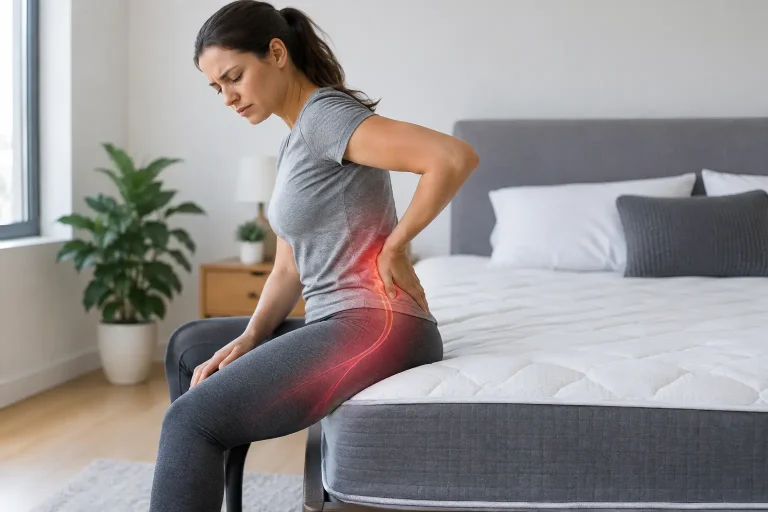
The best firmness for back pain depends on why your back hurts
People with back pain are often told to buy a firm mattress. That advice is too broad to be useful. The better question is why your back hurts.
If your lower back pain is tied to sagging support, then yes, moving toward medium-firm or firm can help. You need a surface that keeps the hips from sinking too deeply and throwing off spinal alignment.
If your pain is linked to pressure buildup, joint sensitivity, or a mattress that feels hard and unforgiving, a slightly softer comfort layer may help more. In many cases, the sweet spot is a medium-firm hybrid with enough cushioning on top and stronger support underneath. That combination can reduce pressure while keeping the spine level.
This is why material design matters as much as the label. A mattress built with cooling gel foam, latex, and individually pocketed coils can feel comfortably cushioned on the surface while still delivering orthopedic-style support underneath. That is often a better solution for adults who want pain relief without the sinking feeling of an overly soft bed.
Couples need firmness plus motion control
If you sleep with a partner, firmness is only part of the equation. Motion isolation matters just as much. A mattress can feel good for your back and still disturb your sleep if every turn, shift, or late-night exit transfers across the bed.
For couples, medium to medium-firm is often the safest starting point because it tends to suit a wider range of body types and positions. But the construction underneath that feel is what protects sleep quality. Individually pocketed springs reduce movement transfer far better than old-style connected coils, and quality comfort layers absorb surface vibration before it reaches the other side.
If one partner prefers a softer feel and the other wants more support, going extremely soft or extremely firm usually leaves someone unhappy. A balanced hybrid feel often creates the best compromise because it cushions enough for pressure relief while staying stable enough for spine support and easy movement.
Hot sleepers should not ignore firmness
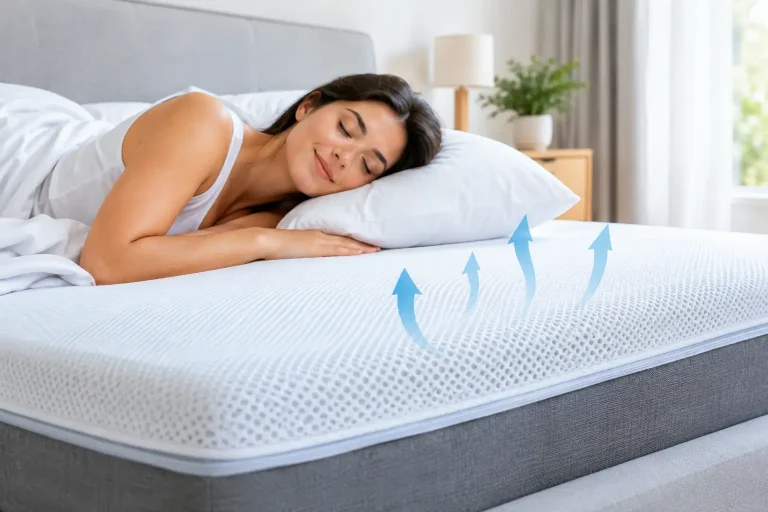
Firmness also affects temperature. Softer mattresses often allow deeper sink, which can trap more body heat around the sleeper. Firmer surfaces tend to keep you more elevated, allowing better airflow around the body.
That does not mean every hot sleeper needs a firm mattress. It means material choice becomes even more important if you prefer a plusher feel. Cooling gel foams, breathable latex, and airflow through a spring system can help dissipate heat more effectively than dense all-foam designs.
For many adults who sleep warm, a medium or medium-firm hybrid hits the right balance. You get enough contouring for comfort, but not so much sink that you feel wrapped in heat all night.
How to use this mattress firmness guide when shopping
Start with your sleep position and body weight, then factor in pain points. If you are a side sleeper with shoulder pain, you likely need more pressure relief. If you are a back or stomach sleeper with lower back strain, you likely need more stability through the middle of the bed.
Next, think beyond the top feel. Ask what is creating the support. Dense transition foams, responsive latex, and individually pocketed coils usually outperform basic spring units or soft foam stacks when it comes to alignment, durability, and reduced partner disturbance.
Finally, expect some adjustment time. A mattress can feel different after several nights than it does in the first five minutes. That is why trial periods and easy returns matter. A good mattress should not just feel impressive at first touch. It should help your body settle, stay aligned, and recover night after night.
A reliable mattress firmness guide should make the decision simpler, not more confusing. Choose the feel that supports your body where it is heaviest, cushions where it is most sensitive, and keeps your sleep undisturbed. When firmness is matched to how you actually sleep, better rest stops being a guess and starts feeling consistent.