If you sleep hot in July but hate feeling chilled in January, the question is fair: are cooling mattresses good year round? For most adults, yes – if the mattress regulates temperature instead of forcing a cold surface. The difference matters. A well-designed cooling mattress is built to release excess heat, improve airflow, and maintain a more stable sleep climate, not keep you cold all night.
Are cooling mattresses good year round or only in summer?
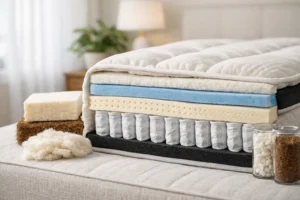
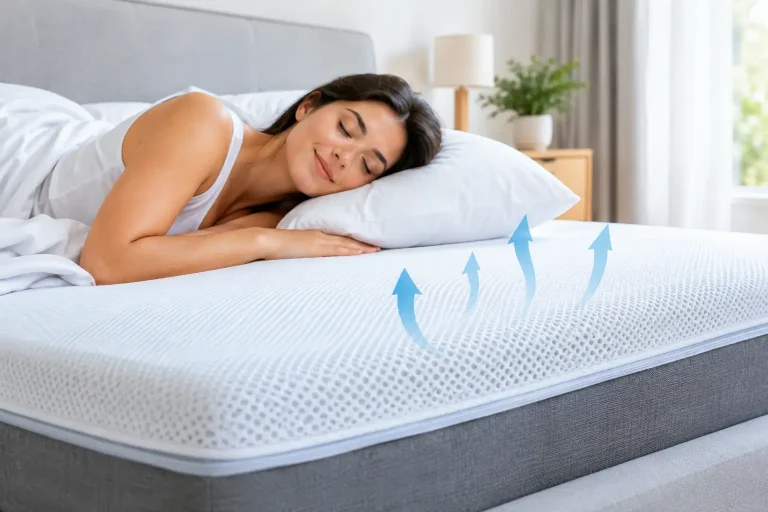
Many shoppers hear “cooling” and assume the bed will feel icy in colder months. That is usually not how quality cooling technology works. The goal is temperature regulation, not refrigeration. A mattress that uses breathable comfort layers, ventilated latex, cooling gel foam, and a supportive coil system helps your body shed excess heat when needed. When your room is cooler, those same materials should still feel comfortable rather than uncomfortably cold.
That is why cooling mattresses can work year round for a wide range of sleepers. They are especially helpful for people whose body temperature fluctuates during the night, couples who trap more heat in bed, and anyone waking up sweaty and restless. If the mattress is engineered properly, it supports a steadier sleep environment across seasons instead of pushing you toward one extreme.
What “cooling” should actually mean
The phrase gets overused, so it helps to separate surface feel from real sleep performance. Some mattresses feel cool for a few minutes when you first lie down because the cover is cool to the touch. That can be pleasant, but it is not the same as sustained temperature control.
Year-round comfort depends more on heat dissipation and airflow throughout the mattress. Pocketed coils allow air to move more freely than dense all-foam constructions. Latex tends to be more breathable and responsive than traditional memory foam. Cooling gel foams can help move heat away from the body, but they work best as part of a layered system rather than a single “cooling” claim.
For shoppers focused on back pain, joint pressure, and sleep quality, this is where performance matters most. Overheating is not just a comfort issue. It can lead to more tossing, more wake-ups, and less restorative sleep. A mattress that helps regulate temperature while keeping the spine supported is more useful in every season than one that simply feels cold at first contact.
Why cooling mattresses often work better in winter than people expect
Your body does not need a hot mattress to sleep well in winter. It needs a balanced sleep surface. When a bed traps too much heat, your body works harder to regulate itself through the night. That can still happen in colder weather, especially if you use heavy bedding, sleep beside a partner, or naturally run warm.
A cooling mattress can actually prevent overheating under blankets without making the bed feel harsh or clinical. The best models avoid heat buildup in the core of the mattress, which is where many sleepers start to feel stuffy after a few hours. Instead of creating a cold sleep environment, they create a more breathable one.
This is also why many hot sleepers say their mattress feels more comfortable in winter, not less. They still get the coziness of their bedding, but without the trapped heat that causes sweating at 2 a.m.
Who benefits most from a cooling mattress all year
Some sleepers notice the difference immediately. If you wake up sweaty, kick off the covers, or keep changing positions to find a cooler spot, cooling features are likely useful in every season. The same goes for couples. Two bodies on one mattress create more heat, and poor airflow makes that problem worse.
Adults with back pain or stiffness may benefit even more. Heat retention often softens lower-quality foams unevenly, which can change how the mattress supports the hips, shoulders, and lower back through the night. Better temperature regulation helps comfort layers stay more consistent, which supports more stable alignment.
There is also a practical benefit for households that keep indoor temperatures variable. If your room temperature changes with the season, a breathable hybrid mattress tends to adapt better than dense foam beds that hold onto warmth.
When a cooling mattress may not be the right fit
There are trade-offs. If you are an exceptionally cold sleeper and already use light bedding in a cold room, some cooling mattresses may feel too crisp for your preference, especially those with highly conductive covers. That does not mean you should avoid all cooling designs. It means you should focus on balanced temperature regulation rather than aggressive cool-to-touch materials.
Construction matters here. A breathable hybrid with latex and pocket springs often feels more neutral than a mattress marketed around an intensely cool surface sensation. Neutral is usually the better year-round choice because it helps with heat release without making winter sleep feel stark.
It also depends on your bedding. Even the best cooling mattress will struggle if it is covered with heat-trapping protectors, synthetic sheets, and heavy, non-breathable comforters. The mattress is one part of the sleep system, not the whole system.
Are cooling mattresses good year round for back pain sleepers?
Yes, often more than people realize. For adults shopping primarily for pain relief, temperature control should not be treated as a bonus feature. When you overheat, sleep gets lighter and more fragmented. When sleep is fragmented, the body gets fewer uninterrupted recovery cycles. That can leave you waking up stiffer, more achy, and less restored.
A well-built cooling mattress supports two outcomes at once: pressure relief and thermal comfort. That combination matters because support alone does not guarantee restful sleep if you are constantly waking to adjust the covers or shift to a cooler side of the bed. Likewise, a mattress can sleep cool but still fail if it lets the hips sink too far or creates pressure at the shoulders.
The strongest year-round option for pain-conscious shoppers is usually a hybrid design that blends contouring comfort layers with a structured spring system. That gives you airflow, responsive support, and better motion isolation than many older innerspring beds. For couples, this matters even more because partner movement and shared heat tend to disturb sleep together.
What to look for if you want year-round comfort
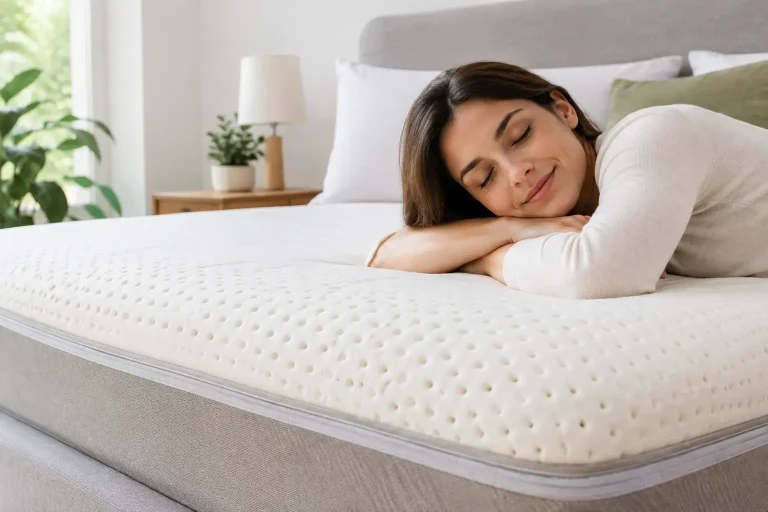
Start with airflow, not marketing language. Pocketed coils generally outperform solid foam cores when it comes to ventilation. Then look at the comfort layers. Latex is naturally more breathable and responsive, while cooling gel foam can help with heat dispersion if it is used thoughtfully.
Pay attention to support as much as cooling. If the mattress does not keep your spine aligned, the temperature benefits will not make up for sore mornings. Medium to medium-firm hybrids are often a strong fit for adults who want pressure relief without losing support, though body weight and sleep position still matter.
Certifications are worth checking too, especially if you care about material quality and indoor air standards. They do not guarantee comfort, but they do add credibility when a brand claims premium construction.
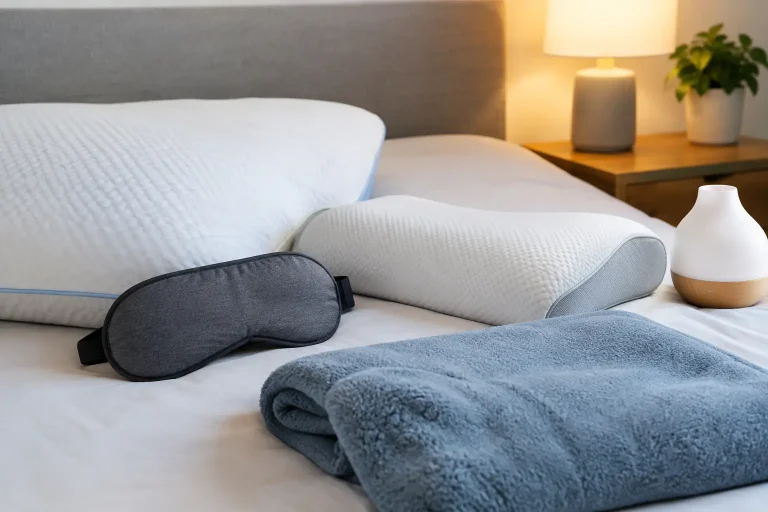
Finally, think beyond the mattress itself. A breathable pillow, moisture-managing sheets, and a protector that does not block airflow can make the cooling features perform the way they are supposed to.
The real answer: it depends on the kind of cooling
If “cooling” means an overly chilled surface with little thought to support or material balance, it may not feel great all year. If “cooling” means engineered airflow, breathable layers, and stable temperature regulation, then yes, cooling mattresses are often a smart year-round choice.
That is the version most sleepers should want anyway. Not a mattress that feels cold for marketing purposes, but one that helps the body settle into deeper, less interrupted sleep. For many adults, especially those dealing with heat buildup, stiffness, or partner disturbance, that kind of design solves more than one problem at once.
Azure Mattress approaches cooling the way it should be approached – as part of total sleep performance. The best mattress is not the coldest one. It is the one that keeps you comfortable, supported, and undisturbed whether the season is humid, mild, or cold.
When you shop with that standard in mind, year-round comfort gets much easier to find.