A pillowcase rests against your face for hours. A fitted sheet holds warmth around your body all night. The fabric covering your mattress is part of your sleep environment every single day. If you have asked, “what is oeko tex certification for bedding?” the short answer is that it is a safety-focused textile certification designed to screen materials for substances that may be harmful to human health.
For people investing in better sleep – especially those managing stiffness, sensitive skin, overheating, or disrupted rest – that distinction matters. Bedding should feel soft and supportive of peaceful recovery, not leave you wondering what may be present in the fabric closest to your skin.
What Is OEKO-TEX Certification for Bedding?
When bedding carries the STANDARD 100 by OEKO-TEX label, its textile materials have been tested for a long list of potentially harmful substances. The testing can apply to sheets, duvet covers, pillowcases, mattress protectors, blankets, and fabric components used in a mattress.
The standard goes beyond looking only for substances that are already prohibited by law. It also considers chemicals that may be regulated in certain markets, as well as substances that scientific research identifies as a potential health concern. Testing criteria are updated as regulations and scientific knowledge evolve.
In practical terms, an OEKO-TEX certified bedding product has been evaluated with human contact in mind. That makes it a useful trust signal for sleepers who want greater transparency around the textiles they bring into bed.
Why Bedding Safety Belongs in Your Sleep Setup
Most people compare bedding by thread count, weave, cooling feel, or color. Those details affect comfort, but they do not answer every material question. A soft sheet can still have undergone dyeing, finishing, printing, or wrinkle-resistant treatment processes that are worth examining.
OEKO-TEX certification adds a separate layer of reassurance. It focuses on whether the finished textile and its relevant components meet strict limits for a wide range of substances. Depending on the product, this can include checks related to pesticides, heavy metals, formaldehyde, certain dyes, phthalates, and other chemical residues.
This is particularly relevant for bedding because exposure is frequent and prolonged. Your sheets and pillowcases are not occasional-use fabrics. They are in close contact with skin during the hours your body should be cooling down, relaxing, and recovering.
For households with children, people with sensitive skin, or anyone trying to create a more considered sleep environment, certified textiles can make the buying decision feel clearer. It is not about fear. It is about choosing materials with credible screening behind them.
What Does OEKO-TEX Actually Test?
STANDARD 100 by OEKO-TEX tests textiles according to product class. The closer and longer a material contacts skin, the stricter the requirements become.
Baby products fall into Product Class I, the category with the most stringent limits. Products that have direct contact with skin, such as bedding and sleepwear, are generally assessed under Product Class II. Decorative textiles with limited skin contact and home textiles with no direct skin contact may fall into other classes.
A certification is not simply a test of the main fabric. Depending on the item, testing may also account for components such as thread, buttons, zippers, labels, prints, coatings, and fillings. That broader approach is valuable because a bedding product is rarely made from one material alone.
Still, shoppers should read labels carefully. A claim that a product contains “OEKO-TEX certified cotton” is not always the same as a certification for the complete finished sheet set. The strongest claim is one that clearly identifies the finished product as STANDARD 100 by OEKO-TEX certified and provides a valid certification number when available.
For mattresses, the scope may be narrower
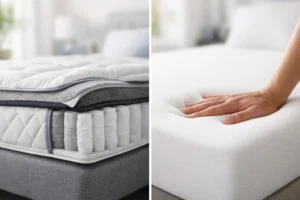
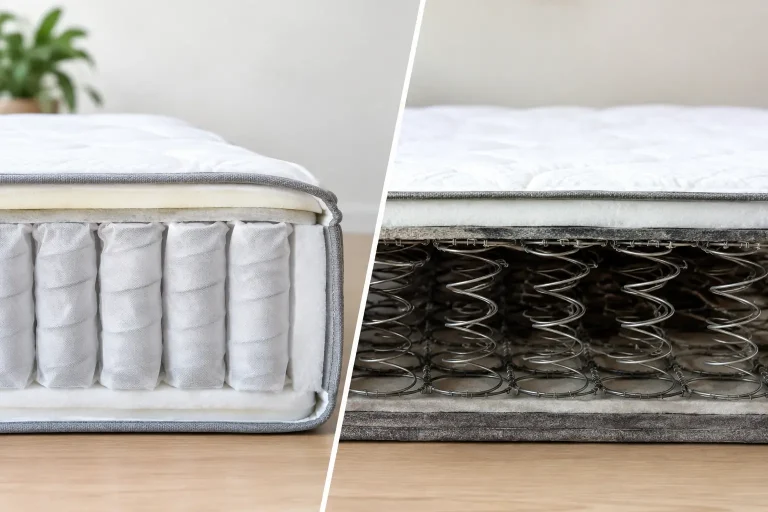
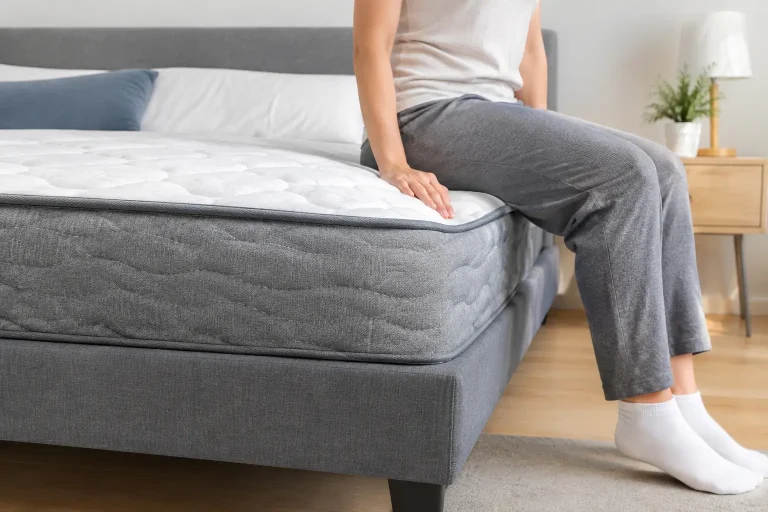
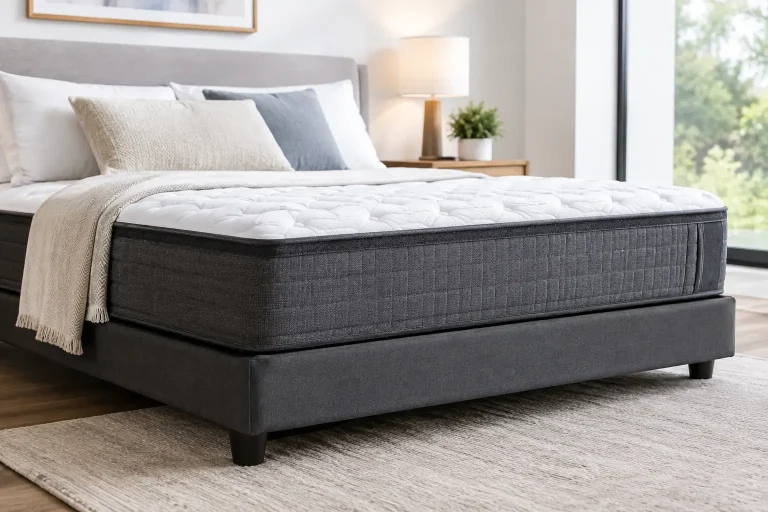
A mattress combines many different materials: cover fabric, foam, latex, adhesives, fire barriers, batting, and a spring system. An OEKO-TEX label may apply specifically to the mattress cover or other textile component, rather than certify the entire mattress construction.
That does not make the certification less valuable. It simply means you should understand what it covers. A thoughtfully engineered sleep system may use several relevant standards for different materials. For example, an OEKO-TEX certified cover addresses textile safety, while a foam-specific certification may speak to foam emissions and content requirements.
What OEKO-TEX Certification Does Not Mean
Certifications are most useful when they are understood accurately. OEKO-TEX certification does not mean a product is chemical-free. Virtually every textile is made, colored, cleaned, or finished through processes involving chemistry. The point is that tested substances must meet defined safety limits.
It also does not automatically mean a product is organic. Organic certification addresses how fibers such as cotton are grown and processed. OEKO-TEX addresses harmful-substance testing. A product can be OEKO-TEX certified without being organic, and organic fibers are not automatically proof that every stage of the finished product has been tested to OEKO-TEX standards.
Nor is STANDARD 100 by OEKO-TEX a complete environmental certification. It does not, by itself, verify every aspect of water use, labor conditions, carbon footprint, or factory practices. Those are separate questions worth asking if sustainability is a priority in your home.
The right takeaway is simple: OEKO-TEX is a meaningful material-safety signal, not a catch-all promise.
How to Shop for OEKO-TEX Certified Bedding With Confidence
Start with the product that touches you most. For many sleepers, that means pillowcases and sheets. If you wake up warm or frequently shift around because your bedding feels uncomfortable, prioritize breathable fabric and a weave that suits your temperature needs alongside certification.
Next, look for precise language. “Made with OEKO-TEX certified materials” can be helpful, but it is less specific than a statement that the finished bedding product is certified. When possible, check the certification number and product scope. Reputable brands should be able to explain what has been certified rather than relying on vague material claims.
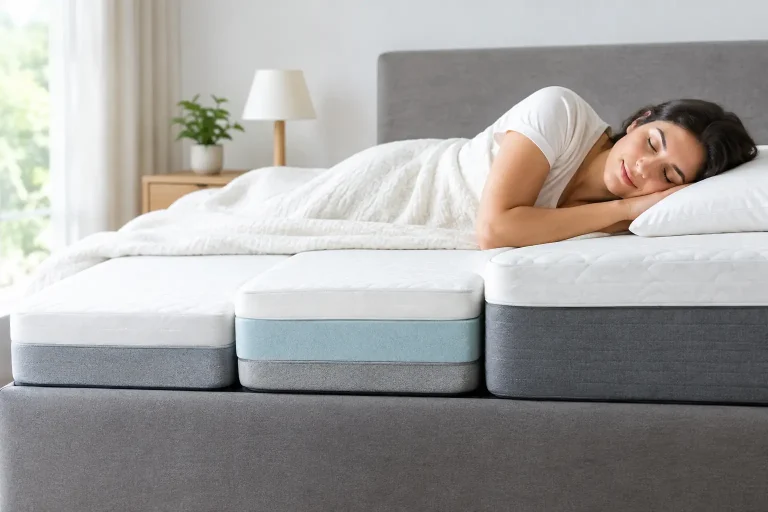
Then consider the entire sleep environment. A cleaner-feeling sheet set will not solve a mattress that traps heat, lacks pressure relief, or transfers every movement from your partner. Sleep quality comes from how each layer works together: breathable bedding, a temperature-regulating comfort layer, responsive pressure relief, and stable support that helps maintain spinal alignment.
That is why material safety and performance should not be treated as competing priorities. You should be able to choose bedding that feels comfortable against your skin while also supporting cooler, more restorative rest.
Don’t confuse certification with comfort
An OEKO-TEX label cannot tell you whether a sheet will feel crisp, silky, cool, stretchy, or plush. Fabric construction still matters. Percale usually feels lighter and crisper, while sateen tends to feel smoother and warmer. Cotton, Tencel lyocell, linen, and blends each manage moisture and airflow differently.
Your best choice depends on how you sleep. Hot sleepers may prefer breathable, moisture-managing fabrics. Those who want a softer drape may choose a smoother weave. If you have pain or joint sensitivity, prioritize bedding that moves easily with you rather than bunching or pulling when you change positions.
A Better Standard for Your Bed
OEKO-TEX certification gives you a practical way to look beyond marketing language and ask a more useful question: has this textile been independently tested for substances that should not be part of a healthy sleep space?
It is not the only factor that matters, and it should not replace attention to support, cooling, durability, or personal comfort. But for a surface you touch every night, it is a smart standard to look for. Choose bedding that helps your body settle, your temperature stay balanced, and your mind rest easier when the lights go out.