You usually do not notice mattress sag all at once. It shows up in small ways first – a sore lower back when you wake up, a dip where you sleep, or that subtle feeling that your hips are sinking deeper than they used to. So, do hybrid mattresses sag faster? Not necessarily. A well-built hybrid can hold its shape longer than many all-foam beds, but a poorly made one can break down surprisingly fast.
That difference comes down to engineering. Hybrid mattresses combine two systems that age differently: foam comfort layers and a pocketed coil support core. If the foams are too soft, too thin, or low density, the mattress can develop body impressions early. If the coil unit lacks structure, support can weaken under heavier areas like the hips and shoulders. The result is not that hybrids are automatically prone to sagging. It is that hybrids are only as durable as their least durable layer.
Do hybrid mattresses sag faster than other mattress types?
Compared with old-school innerspring mattresses, hybrids often resist sagging better because they use individually pocketed coils instead of a more basic interconnected spring grid. Pocketed coils respond more precisely to body weight, which helps distribute pressure and reduce concentrated wear. Compared with all-foam mattresses, hybrids also have an advantage in airflow and support stability because coils add reinforcement under the foam layers.
But there is an important trade-off. Hybrids have more components, and more layers mean more opportunities for weak materials to affect performance. A mattress might have a strong spring base, but if the top comfort layers are made from lower-grade foam, the surface can still form impressions that feel like sagging even when the core is intact.
This is why blanket statements about hybrids miss the point. The better question is not whether hybrid mattresses sag faster. It is whether the specific hybrid is built with durable materials in the right places.
What actually causes sagging in a hybrid mattress?
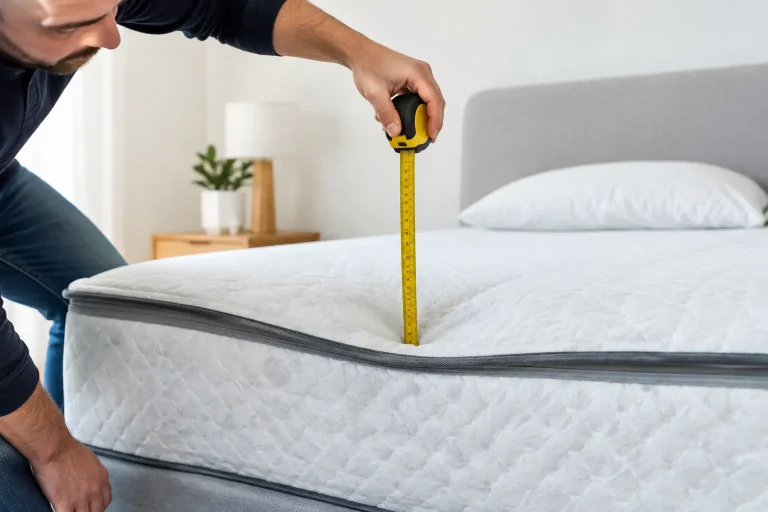
Sagging is usually a surface-and-support problem working together. The top layers soften with repeated compression, especially under the heaviest parts of the body. At the same time, the support system underneath can lose consistency if the coil design is too weak or not zoned well for spinal alignment.
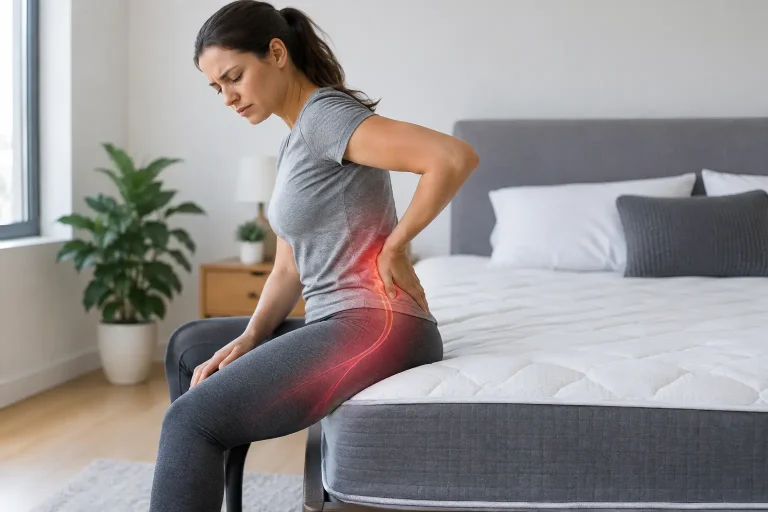
Foam quality is a major factor. Plush comfort feels great in a showroom or during the first few weeks at home, but ultra-soft foams tend to fatigue faster. Once that foam loses resilience, your body settles deeper into the mattress. That can throw off posture during sleep, especially if you already deal with back pain or stiffness.
Coil construction matters just as much. Individually pocketed springs are generally a strong sign, but gauge, coil count, edge support, and layout all affect how long the mattress holds up. A structured spring system should keep the spine level, reduce motion transfer, and maintain support where pressure is highest. If it does not, the bed may feel uneven long before it technically fails.
Foundation also plays a role. Even a premium hybrid can start to feel compromised if it sits on slats that are too far apart, an old box spring, or an uneven platform. People often blame the mattress when the base is part of the problem.
The biggest signs a hybrid may sag early
The first warning sign is usually not a dramatic crater in the center of the bed. It is a gradual loss of support. If your hips drop lower than your shoulders, or you wake up feeling less aligned than before, the materials may be softening unevenly.
Visible body impressions are another clue, especially if they do not recover after a few hours. Some contouring is normal in pressure-relieving materials, but lasting indentations suggest the comfort layers are no longer bouncing back as they should.
Couples may notice another early symptom: motion control gets worse. When support becomes inconsistent, movement travels more than it did on a newer mattress. That can make a hybrid feel less stable, even before the sag is obvious to the eye.
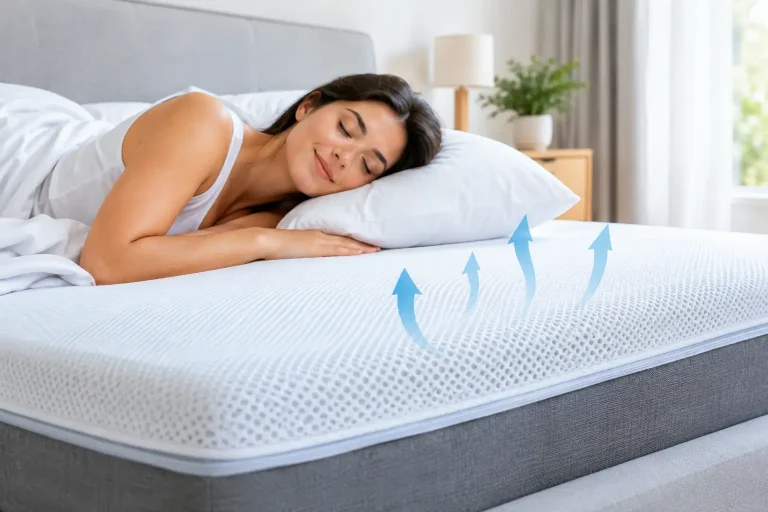
Heat can also reveal breakdown. When foam compresses more deeply, airflow around the body drops. If the bed suddenly feels warmer than it used to, and nothing else in the room has changed, that can point to surface wear.
Why some hybrids last much longer than others
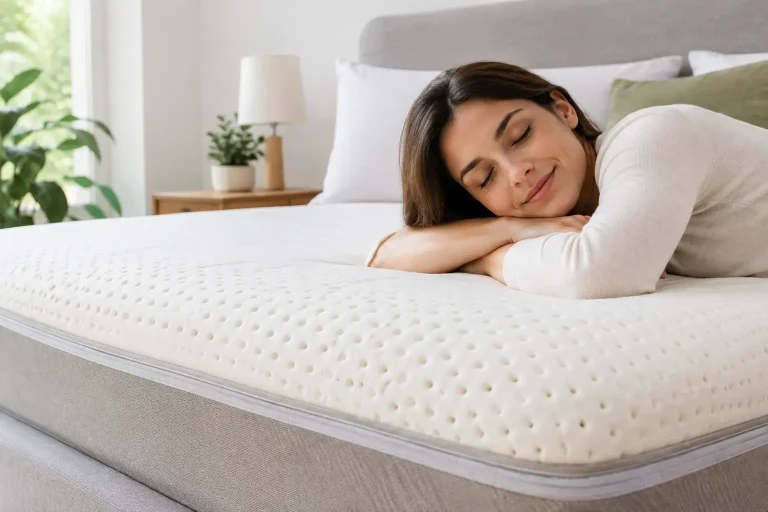
Durability starts with material choices, not marketing claims. A hybrid built for long-term support should have resilient comfort layers such as latex or higher-quality specialty foams, not just thick plush foam for a soft first impression. Latex is especially valuable here because it tends to recover shape well and resist premature body impressions better than many conventional foams.
The support core should be more than a generic coil layer. A quality hybrid uses individually pocketed springs that work independently to support the body without creating a trampoline effect. This matters for spinal alignment, pressure relief, and motion isolation. It also matters for longevity because better coil response reduces the stress placed on the foam above it.
Cooling design can help too, though indirectly. Materials that regulate heat, such as breathable latex, cooling gel foam, and airflow-friendly spring systems, reduce heat buildup that can contribute to foam softening over time. Cooler sleep is not just about comfort at bedtime. It can support the long-term performance of the surface layers.
At Azure Mattress, this is exactly why hybrid design centers on three outcomes that work together: comfort, spine and joint support, and overheating control. Those are not separate features. They are part of what helps a mattress feel supportive on day one and stay supportive over time.
Who is more likely to experience sagging sooner?
Body weight has a real impact on mattress wear. Heavier sleepers place more sustained pressure on the same zones each night, especially around the hips and torso. That does not mean a hybrid is a bad choice. In many cases, it is a better choice than all-foam because the coil system adds structural support. But it does mean material quality becomes even more important.
Sleep position matters too. Side sleepers compress the shoulder and hip zones more deeply, while stomach sleepers often need firmer support to prevent the midsection from dipping. Back sleepers usually benefit from the most even weight distribution, but only if the mattress keeps the lumbar area properly supported.
Couples can accelerate wear if both sleepers land in the same zone night after night. This is one reason larger sizes and good motion-isolating pocket springs can make such a difference. Better weight distribution means less concentrated stress and more consistent comfort across the surface.
How to choose a hybrid that resists sagging
Look past the sales language and focus on the build. The most durable hybrids usually combine resilient comfort materials with a structured coil system underneath. Latex is a strong plus for pressure relief and long-term shape retention. Cooling gel foams can add comfort, but they need proper density and support beneath them. Individually pocketed coils are worth prioritizing because they offer more targeted support than older spring designs.
Pay attention to mattress height and layer balance as well. A very tall mattress is not automatically more durable, and a very plush top is not automatically more comfortable in the long run. What matters is whether the upper layers are thick enough to relieve pressure without being so soft that they collapse under the body.
A solid warranty is another confidence signal, though it should not be the only one. Warranty coverage tells you something about how the brand views expected performance, but the better clue is whether the construction clearly supports spinal alignment, temperature regulation, and motion control from the inside out.
How to make a hybrid mattress last longer
Even a well-made mattress benefits from simple care. Rotate it if the manufacturer recommends it, especially in the first year when materials are settling into regular use. Use a supportive foundation that meets the mattress requirements. If the frame flexes or the slats are too wide, you are asking the mattress to absorb stress it was not designed to carry.
A breathable protector helps keep moisture and buildup away from the comfort layers without trapping excess heat. That matters because a cleaner, drier sleep surface tends to age better. It is also smart to avoid sitting on the exact same edge every day, since repeated concentrated pressure can wear down the perimeter faster.
If you already notice mild softening, a topper can improve comfort temporarily, but it will not fix a failing support core. Once the mattress no longer keeps your spine in a neutral position, the issue is not just comfort. It is recovery.
The short answer is this: hybrid mattresses do not sag faster by default. Cheap hybrids often do. Well-engineered hybrids usually do not. If your goal is less back pain, cooler sleep, and fewer partner disturbances, the right hybrid can be one of the most reliable choices you can make. The key is choosing a mattress built to hold comfort and support together, night after night.