You usually feel poor posture at night before you notice it during the day. It shows up as a lower back that never fully relaxes, a shoulder that goes numb, or the habit of waking up and shifting because your mattress feels flat in the wrong places. That is exactly where how pocket springs support posture becomes more than a mattress feature – it becomes a sleep performance issue.
Pocket springs are not just a modern upgrade to old innerspring construction. They are a more precise support system. Because each spring is individually wrapped, it can respond to pressure on its own instead of forcing the whole mattress surface to move as one unit. For posture, that difference matters. Your body is not evenly weighted from head to toe, and your mattress should not treat it like it is.
How pocket springs support posture through targeted support
Good posture during sleep starts with one goal: keep the spine in a more neutral position for as many hours as possible. That does not mean sleeping stiff or flat. It means supporting the natural curves of the body so heavier areas like the hips and shoulders can settle in without pulling the spine out of alignment.
Pocket springs help by compressing independently under different parts of the body. If your hips apply more pressure than your legs, the springs beneath your hips can respond without collapsing the support under your knees or torso. If you sleep on your side, the shoulder can sink enough to reduce pressure while the waist and lower back stay more supported. This kind of contouring is what makes an individually pocketed coil system feel more balanced than a basic open-coil mattress.
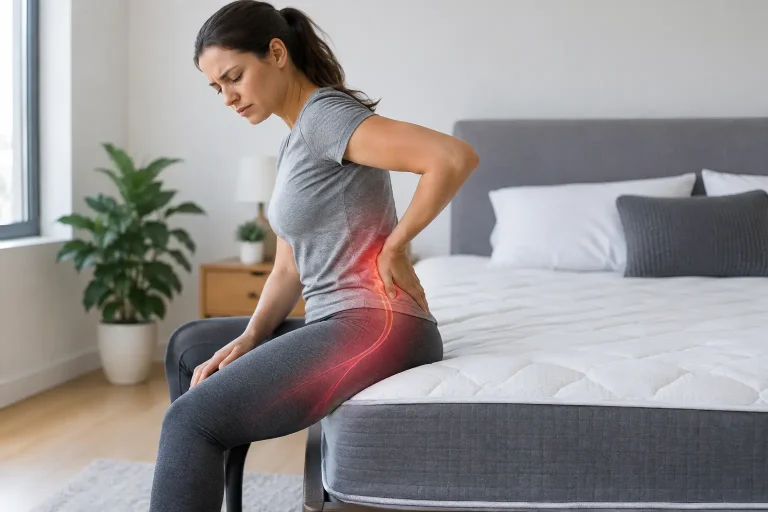
That balance is especially valuable for adults dealing with back pain or stiffness. A mattress that is too soft can let the midsection dip too far. A mattress that is too hard can push up against pressure points and force the body into compensation patterns. Pocket springs sit in the middle of that problem by creating support that is responsive instead of rigid.
Why posture support is different from simple firmness
A lot of shoppers assume a firmer mattress automatically means better posture. Sometimes it does help, but firmness alone is a blunt tool. Posture support is more about how well the mattress distributes weight and holds the spine in a healthy line than about how hard the surface feels.
This is where pocket springs often outperform traditional spring systems. In a connected coil unit, movement and pressure spread across the structure. That can create a less accurate response, especially for couples or people with uneven pressure points. With pocket springs, support is more localized. The mattress can adapt to your shape instead of making your body adapt to it.
The result is often a sleeping surface that feels supportive without feeling board-stiff. For many people, that is the sweet spot. You want enough give for comfort and enough pushback to keep the body from sagging out of position over the course of the night.
The spine does not need one flat line
A healthy spine has curves, and those curves need accommodation. Back sleepers usually need support under the lumbar area so the lower back does not collapse into the mattress. Side sleepers need deeper compression at the shoulders and hips, with enough support at the waist to prevent lateral bending. Stomach sleepers generally need a flatter, firmer feel to keep the pelvis from dropping too low.
Pocket springs can support all three positions better than older spring systems because they allow the mattress to react in zones, even when the construction is not formally marketed as zoned. The independent movement of each spring creates a more flexible support map under the body.
How pocket springs support posture for different sleepers
If you sleep on your back, pocket springs help maintain support under the hips and lower back while cushioning the shoulders. That reduces the chance of the pelvis sinking too far and pulling the spine into an uncomfortable arch.
If you sleep on your side, posture support becomes even more sensitive. The shoulder and hip need room to compress into the mattress, but the waist still needs lift. Pocket springs handle this better because they can respond with more precision across those curves. This tends to reduce pressure buildup and helps the head, neck, and spine stay in better alignment.
If you share a bed, independent springs add another benefit. When your partner moves or changes position, the motion stays more contained. Less transfer means fewer overnight disruptions, and fewer disruptions mean fewer awkward, half-awake sleep positions that leave you stiff in the morning.
For combination sleepers, this responsiveness is one of the biggest advantages. If you move between your back and side during the night, a pocket spring system can adapt quickly without feeling unstable. That matters because a mattress that resists movement can encourage strained positions or make turning feel harder than it should.
The role of hybrid design in posture support
Pocket springs are strong on their own, but they perform even better when paired with comfort materials that complement their support. This is why hybrid mattresses have become a preferred choice for people looking for pain relief and spinal alignment.
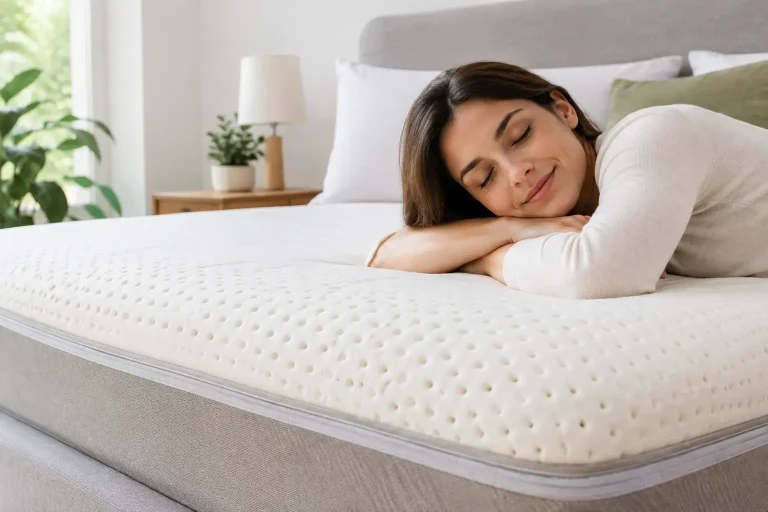
A comfort layer such as latex or cooling gel foam can soften the initial contact points while the pocket spring core handles deeper structural support. That layering matters. Springs alone can provide lift, but the top layers influence how smoothly the body settles into alignment. Too much plushness above the coils can reduce the support benefit. Too little cushioning can create pressure and tension.
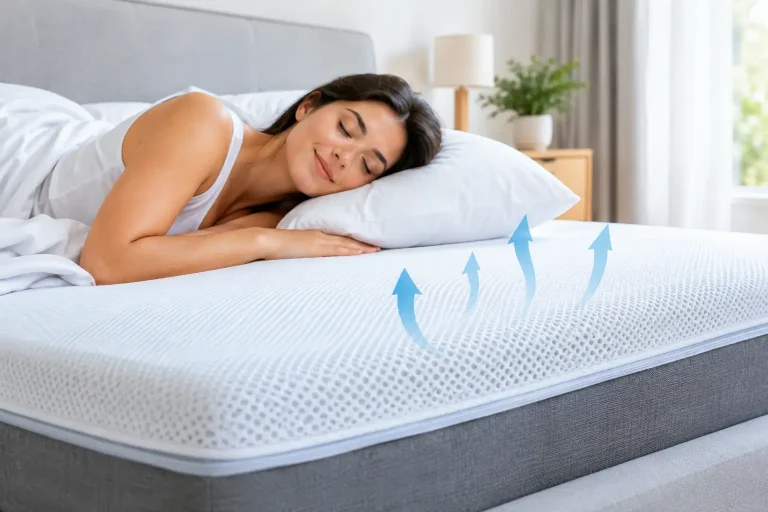
The best hybrid builds create a controlled feel: enough contouring to relieve the joints, enough spring support to stabilize posture, and enough airflow to help you stay comfortable instead of overheating and tossing around all night. That is one reason many orthopedic-supportive mattresses use individually pocketed coils as the foundation rather than as a secondary feature.
What pocket springs can and cannot fix
Pocket springs can significantly improve how your body is supported during sleep, but they are not magic. If you have chronic pain caused by an injury, arthritis, or a medical condition, a mattress can help reduce aggravation, not replace treatment. Good support can lower strain and improve recovery, but it is still one part of the picture.
It also depends on coil quality, coil count, tension, and what sits above the springs. Not every pocket spring mattress will support posture equally well. A low-quality build may still sag early or feel inconsistent across the surface. More coils are not automatically better either. The real question is whether the spring system is engineered to distribute weight well and maintain support over time.
Body type matters too. A lighter sleeper may prefer a gentler comfort level over pocket springs, while a heavier sleeper may need a denser, more reinforced structure to keep the hips and midsection from dipping too much. There is no single perfect feel for everyone, but the principle stays the same: the mattress should support the spine’s natural position while reducing pressure where the body presses hardest.
Signs your current mattress is not supporting posture well
If you wake up with tightness that eases after moving around, your mattress may be letting your body rest in poor alignment. If one side of the bed dips, if your hips sink lower than your chest, or if you feel your partner’s movements constantly, those are common warning signs. Another clue is needing extra pillows under the knees, back, or hips just to feel level.
A well-built pocket spring mattress tends to feel more stable, more adaptive, and less disruptive. You should not feel like you are fighting the surface to get comfortable. You should feel held up where you need support and cushioned where you need relief.
For shoppers comparing options, this is where a research-backed hybrid design stands out. Azure Mattress focuses on that balance by pairing individually pocketed spring support with pressure-relieving comfort layers and cooling materials, so the mattress is working on posture, pain relief, and temperature at the same time.
Choosing a mattress with posture in mind
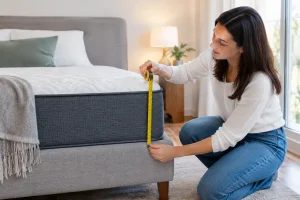
When evaluating how pocket springs support posture, look beyond marketing phrases. Pay attention to whether the mattress is designed for spinal alignment, whether the comfort layers are likely to support or smother the coil response, and whether motion isolation is part of the construction. If you sleep with a partner, that last point matters more than many people expect.
A mattress should help your body recover, not simply feel soft for the first five minutes. Pocket springs are valuable because they bring structure to comfort. They give the mattress the ability to respond with more precision, support natural alignment, and reduce the chain reaction of movement that disturbs sleep quality.
The right mattress does not just feel better at bedtime. It helps you wake up with less strain, better balance, and a body that is not spending the first hour of the day trying to undo the night before.