The edge of a mattress does more work than most people realize. It supports you when you sit to put on socks, helps you get in and out of bed, and gives couples more usable sleep space. So, what causes mattress edge sagging? Usually, it is a combination of weakened perimeter support, repeated pressure in the same spot, and materials that were not designed to hold their shape over time.
A sagging edge can make an otherwise comfortable mattress feel smaller, less stable, and harder on your back and joints. If you wake with stiffness, feel like you are rolling off the side, or notice a dip where you sit each morning, the issue may be more than cosmetic.
What Causes Mattress Edge Sagging Over Time?
Mattress edges compress because they carry concentrated weight. Unlike the center of the bed, where your body weight is distributed across a larger surface, the perimeter absorbs pressure in a narrow area. The quality of the support system beneath the comfort layers determines whether that pressure is managed or becomes a lasting dip.
1. Weak or missing edge support
Many basic mattresses use the same spring system from edge to edge, with little reinforcement around the perimeter. Others rely on soft foam rails that can compress quickly, especially when people regularly sit in the same place. Once those materials lose resilience, the edge no longer pushes back with enough support.
A stronger hybrid mattress often uses reinforced perimeter coils or a high-density support frame around the sides. This creates a more stable sitting surface and helps maintain the usable width of the mattress. It also matters for couples, because a firmer edge allows each sleeper to use more of the bed without feeling unstable.
2. Repeated sitting in one spot
Your nightly sleep position is only part of the picture. Sitting on the edge while dressing, scrolling on your phone, helping a child, or getting ready for work applies focused downward force to the same small area. Over months or years, this can fatigue foam, springs, and border materials.
This does not mean you should never sit on your bed. A mattress should support normal daily use. But if the edge is soft from the beginning, frequent sitting will reveal that weakness much sooner. For people with knee pain, hip discomfort, or back stiffness, stable edge support is especially valuable because it makes standing up from bed feel more secure.
3. Low-density foam that breaks down
Foam is not automatically a problem. Quality latex and well-designed pressure-relieving foams can provide excellent comfort. The concern is low-density foam that lacks the structure to rebound after repeated compression.
When low-quality comfort foam is used near the edges, it may feel plush at first but gradually remain compressed. You may see a visible slope or feel yourself sinking when you sit down. Heat, body weight, and repeated use can accelerate this process, particularly in warmer bedrooms where softer foams become more pliable.
Materials should work as a system: pressure-relieving layers on top, with a stable support core underneath. Cooling gel foam and responsive latex can improve comfort, but they perform best when supported by a durable coil structure and reinforced perimeter design.
4. A worn or uneven foundation
Not every sagging edge is caused by the mattress alone. A foundation with bowed slats, wide gaps, broken supports, or an uneven platform can allow parts of the mattress to flex more than intended. Over time, that uneven stress may weaken the perimeter.
Check that your frame is level and that the center support is secure. Slats should be close enough together to prevent the mattress from dipping between them. If one side of the bed receives more wear, inspect the frame legs and support rails on that side before assuming the mattress has failed.
5. Mattress construction that does not match your needs
The right level of edge support depends partly on how you use your bed. A lightweight solo sleeper may be comfortable on a softer all-foam design, while a couple, a larger-bodied sleeper, or someone who sits on the edge daily will usually benefit from a more substantial support system.
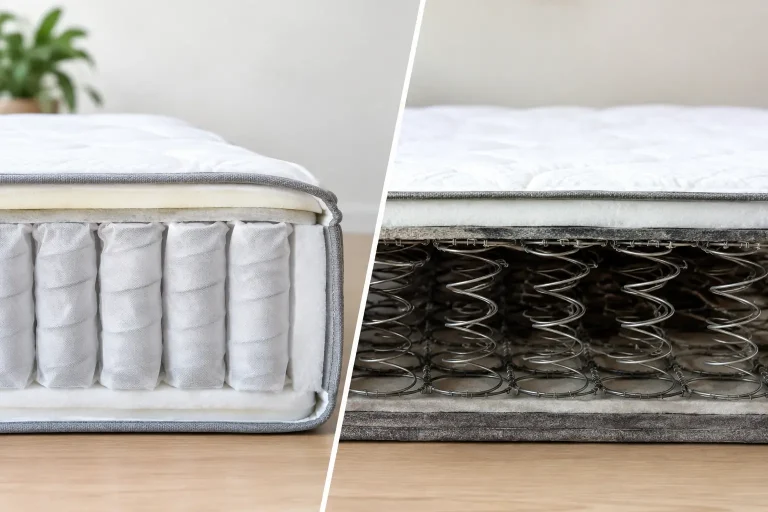
This is where individually pocketed coils can make a meaningful difference. Each coil responds independently, helping the mattress contour around your body while maintaining structure across the surface. A properly engineered coil system can also reduce motion transfer, so one partner moving or getting out of bed is less likely to disturb the other.
There is a trade-off. A very soft, deeply cushioning mattress may feel inviting at first, but excessive softness near the perimeter can reduce sitting stability. The goal is not an overly firm edge that feels rigid against your shoulder. It is a balanced design that delivers pressure relief where you sleep and dependable support where you enter, exit, and sit.
6. Lack of rotation and uneven wear
Most mattresses benefit from regular rotation, unless the manufacturer specifically says otherwise. Rotating a mattress helps distribute body impressions and reduces the chance that one side carries all the wear. This is particularly helpful if one person is heavier, one partner always sleeps closer to the edge, or one side is used more often for sitting.
For a non-flippable hybrid mattress, rotation is usually the appropriate approach rather than turning it upside down. The comfort layers are designed to remain on top, while the coil base belongs underneath. Rotating it every three to six months is a practical habit, though the ideal schedule depends on the mattress design and the manufacturer’s care guidance.
7. Age, moisture, and material fatigue
Even a well-made mattress has a service life. Over time, foam loses some responsiveness, coils may weaken, and adhesives or border components can deteriorate. Persistent humidity can also affect materials and encourage conditions that are not ideal for mattress longevity.
If edge sagging appears gradually after years of use, normal material fatigue may be the explanation. If it develops quickly, however, or creates a deep visible indentation without weight on the mattress, it may point to a construction defect or an unsuitable foundation. Document the issue with photos and review your warranty terms before making changes or attempting a repair.
How to Tell if Edge Sagging Is a Real Support Problem
A soft edge is not always a failed edge. Some mattresses are intentionally designed with a gentler comfort feel near the surface. The concern begins when the edge stays compressed after you stand up, when you feel unstable getting in or out of bed, or when the dip changes your sleeping position.
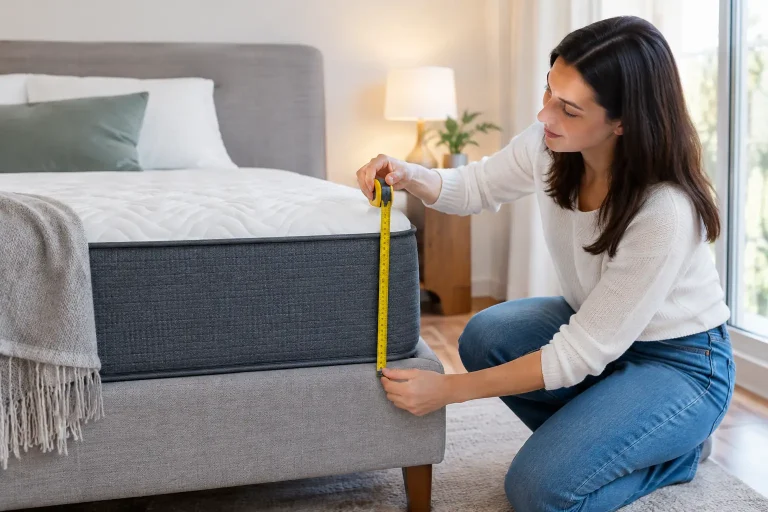
Try a simple check: remove bedding, look across the mattress at eye level, and inspect the perimeter for visible depressions. Then sit on several points around the edge. A healthy edge should compress slightly but remain supportive and recover once you stand. Compare both sides, since uneven wear often reveals how the mattress and foundation are being used.
Pay attention to your body as well. If getting out of bed now aggravates your lower back, hips, or knees, a weakened edge may be contributing. For older adults, people recovering from injury, and anyone managing joint discomfort, edge stability is part of practical daily comfort, not a minor extra.
Can You Prevent Mattress Edge Sagging?
You can reduce the risk, although no mattress is completely immune to wear. Start with a supportive bed frame, rotate the mattress as recommended, and avoid repeatedly sitting in one exact location for long periods. Keeping the bedroom well ventilated and using a breathable protector can also help preserve the mattress materials.
Most importantly, choose construction that matches the demands of your sleep routine. Look beyond surface softness and ask how the perimeter is supported, what sits beneath the comfort layers, and whether the mattress can maintain alignment for both sleepers. A hybrid design with responsive comfort materials, individually pocketed springs, and reinforced edges is built to address the real forces that cause a mattress to lose support.
At Azure Mattress, that balance matters because peaceful sleep should not come at the expense of stability. When your mattress supports your body from the center to the edge, getting into bed can feel just as reassuring as the rest you expect from it.