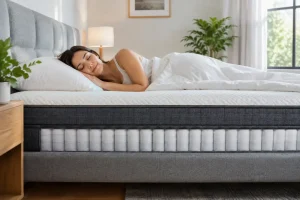
A mattress can feel comfortable for the first 20 minutes and still leave you waking up hot, stiff, or sore at 3 a.m. That is where gel foam earns its place. When it is thoughtfully engineered into a mattress comfort layer, it can help reduce pressure at the shoulders and hips while managing some of the heat that traditional memory foam tends to hold onto.
But gel foam is not a magic label. The amount of gel, the foam density, the thickness of the layer, the cover, and the support system underneath all influence how the mattress performs. For people shopping because of back pain, restless sleep, or overheating, understanding those details makes it easier to choose comfort that lasts past the first night.
What Is Gel Foam in a Mattress?
Gel foam is usually a polyurethane-based comfort foam infused with gel particles, gel swirls, or gel beads. It is often used in memory foam, though not every gel foam has the slow, contouring feel people associate with traditional memory foam.
The purpose is straightforward: create a cushioning layer that adapts to your body while helping disperse heat. Conventional memory foam is valued for pressure relief because it responds to body heat and weight, allowing it to contour closely around the sleeper. The trade-off is that close contouring can make some people feel warm or confined, especially if they already sleep hot.
Adding gel changes the equation. Gel can absorb and distribute heat away from the immediate contact area, reducing the hot-spot feeling that may develop around the shoulders, lower back, and hips. Depending on the formulation, it can also create a slightly more responsive feel than dense, traditional memory foam.
That does not mean every gel foam mattress sleeps cold all night. A mattress is a complete system, not a single material. Airflow through the cover, the construction of the support core, room temperature, bedding, and your own sleep temperature all matter.
How Gel Foam Supports Cooler, More Comfortable Sleep
The best comfort materials solve more than one sleep problem at a time. Gel foam is often used because it can address pressure relief and temperature management in the same layer.
It helps relieve pressure points
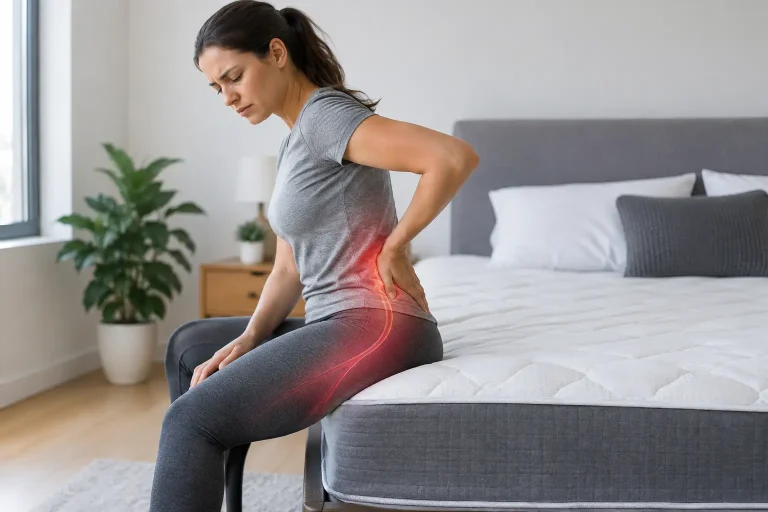
When your shoulder or hip presses too firmly into a mattress, circulation can be restricted and the body may shift repeatedly to find relief. Those small adjustments can interrupt deep, restorative sleep even if you do not fully wake up.
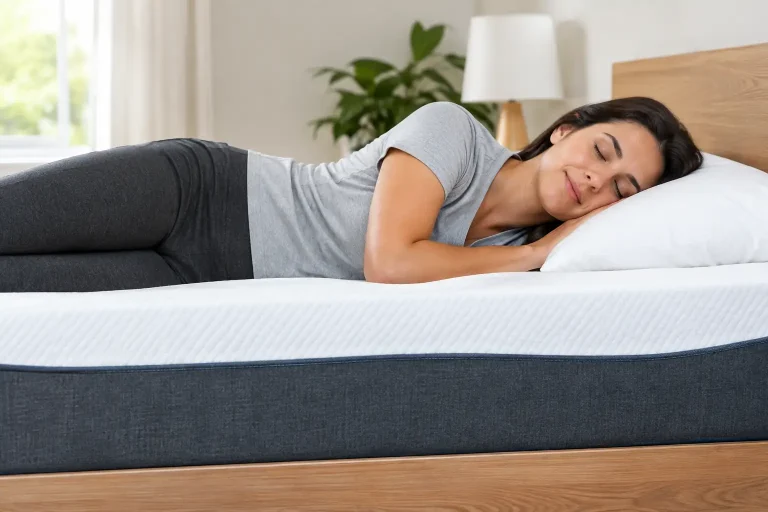
Gel foam spreads weight over a wider surface area. For side sleepers, this can reduce the concentrated pressure that often builds around the shoulder and hip. For back sleepers, it can add gentle cushioning through the lumbar area without feeling like you are resting directly on a hard support layer.
The goal is not to sink as far as possible. Too much sink can make it harder to change positions and may allow the pelvis to dip, placing the spine out of alignment. The right amount of contouring supports the natural curves of the body while keeping your posture stable.
It can reduce the heat-trapping feel of memory foam
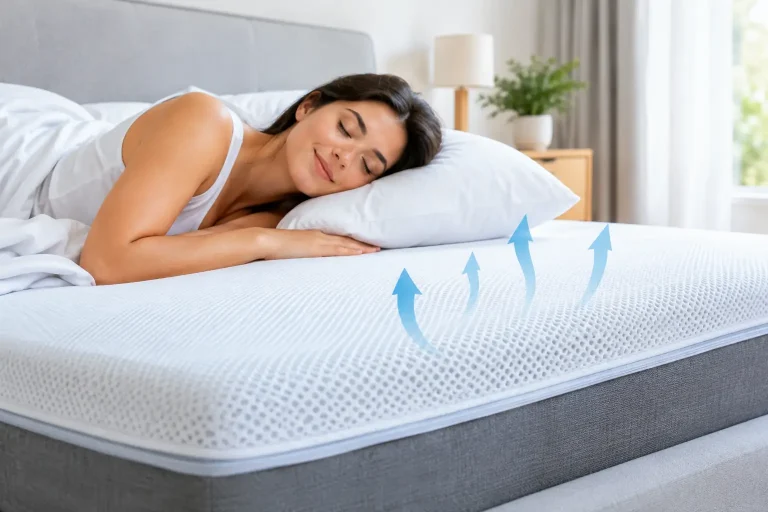
Cooling gel is designed to move heat across the surface rather than allowing it to remain concentrated beneath your body. That can make the initial feel of the mattress cooler and may help reduce overnight warmth for sleepers who dislike the dense, enveloping sensation of older memory foams.
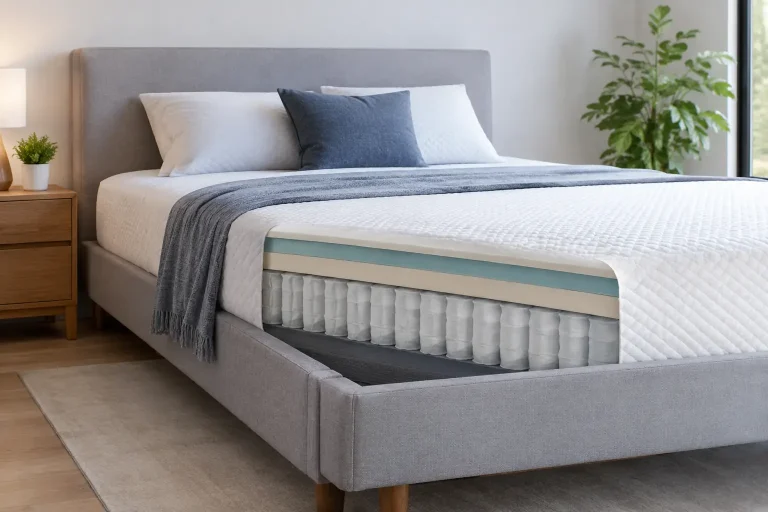
Still, there is an honest trade-off. Gel foam can improve thermal comfort, but it cannot overcome poor airflow elsewhere in the mattress. A thick foam-only bed may retain more heat than a hybrid mattress with breathable layers and a pocketed coil core. Individually wrapped coils create open space for air to move through the mattress, which supports a more consistently ventilated sleep surface.
For hot sleepers, look beyond the word “gel.” A breathable cover, ventilated foam or latex, and an airflow-friendly support system are equally important.
It absorbs movement for less partner disturbance
If your partner gets up early, changes positions frequently, or has a different sleep schedule, motion transfer can become a nightly frustration. Foam layers are naturally effective at absorbing vibration before it travels across the bed.
Gel foam retains this strength. It cushions movement at the point of impact, helping prevent a turn, stretch, or late-night trip out of bed from becoming your wake-up call. In a hybrid design, gel foam paired with individually pocketed springs can offer a balanced result: responsive support underneath and reduced movement at the surface.
No mattress can make two people completely unaware of each other. However, a well-designed foam-and-pocket-spring system can dramatically reduce the bounce and ripple effect found in older connected-spring mattresses.
Gel Foam vs. Traditional Memory Foam
Traditional memory foam is known for its deep, slow response. Many sleepers love the cradling sensation because it can reduce pressure and create a secure, cushioned feel. Others find that it sleeps warm, feels difficult to move on, or allows them to sink too deeply.
Gel-infused memory foam aims to preserve the pressure-relieving benefits while creating a more temperature-conscious surface. It may feel slightly quicker to respond, although that depends on the exact foam formula rather than gel alone.
If you want a pronounced body-hugging feel and sleep relatively cool, traditional memory foam may still suit you. If you experience warmth, joint pressure, or a “stuck in the mattress” sensation, gel foam is often the more practical starting point.
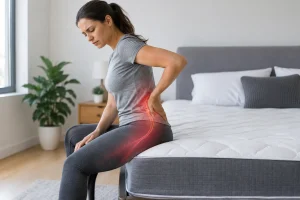
Neither material can replace support. The comfort layer should work with a stable foundation that keeps the spine aligned. This is especially relevant for people managing morning back stiffness or recurring lower-back discomfort. A soft top layer may feel appealing in a showroom or during the first few nights, but long-term comfort depends on how well the mattress holds your midsection and hips in a neutral position.
What to Look for in a Gel Foam Mattress
A gel label alone does not tell you how a mattress will feel after months of use. Focus on the full construction and how it matches your sleep position, body type, and comfort needs.
First, consider the support core. Pocket springs can provide targeted support, better airflow, and easier movement than an all-foam base. They are especially useful for couples and combination sleepers who want pressure relief without excessive sink.
Next, assess the comfort balance. Side sleepers usually need more cushioning at the shoulders and hips, while stomach sleepers often need a firmer surface to limit pelvic drop. Back sleepers tend to do well with a medium to medium-firm feel that cushions the lower back while maintaining support.
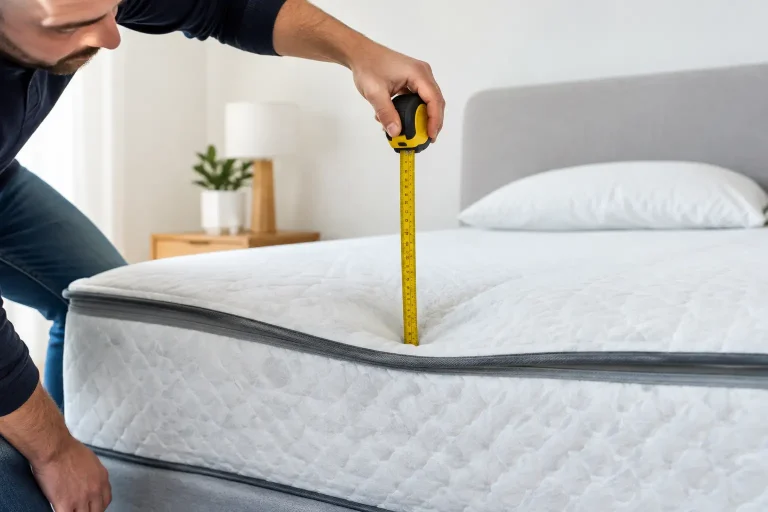
Material quality matters as well. High-quality foam should retain its shape and resist early sagging. Certifications such as CertiPUR-US can provide added reassurance that the foam meets standards for content, emissions, and durability-related performance. A removable or breathable cover can also make a meaningful difference in surface temperature and hygiene.
Finally, consider the trial period and warranty. Comfort is personal, and your body may need several weeks to adjust to a new mattress. A generous return policy and clear warranty help reduce the risk of making a decision based on a brief first impression.
Is Gel Foam Right for You?
Gel foam can be a strong choice if you want pressure relief but worry about sleeping warm. It is particularly appealing for side sleepers with sore shoulders, couples seeking less movement transfer, and anyone replacing a basic spring mattress that feels uneven or unforgiving.
It may be less ideal if you prefer a very buoyant, on-top-of-the-bed feel. In that case, a mattress with more latex or a firmer, highly responsive comfort layer may better match your preference. Likewise, people who sleep exceptionally hot should prioritize a full cooling design, including breathable fabric and airflow through the support layers, rather than relying on gel foam alone.
At Azure Mattress, gel foam is most effective when it is part of a complete sleep system: pressure relief at the surface, responsive support through the mattress, and airflow designed to help you rest without overheating. The right mattress should not force you to choose between softness and support, or between comfort and cooler sleep.
Your best indicator is not whether a mattress has the most impressive list of materials. It is whether its layers work together to leave your shoulders relaxed, your spine supported, and your sleep undisturbed when morning arrives.