A contouring foam mattress can feel remarkably relieving on the first night. As your shoulders, hips, and lower back settle into the surface, pressure points receive less direct force than they would on a basic spring bed. But a contouring foam mattress review should look beyond that initial plush sensation. The real question is whether the mattress keeps your spine supported, your body cool, and your sleep undisturbed for years to come.
For people waking up stiff, sore, or overheated, foam can be part of the answer. It is not automatically the whole answer. Density, firmness, layer design, and the support system beneath the foam all determine whether contouring comfort becomes restorative sleep or leaves you feeling stuck and unsupported.
What a Contouring Foam Mattress Does Well
Contouring foam, often called memory foam or pressure-relieving foam, responds to body heat and weight. Rather than pushing back sharply against your body, it gradually distributes your weight across a wider surface. This can reduce concentrated pressure around the shoulders, hips, knees, and lower back.
That sensation is especially valuable for side sleepers. A firm, flat surface can force the shoulder upward and place the hips under too much pressure. Quality contouring foam allows those areas to sink in slightly while supporting the spaces around them. The goal is not deep sinking. The goal is a more neutral line from the neck through the lower back.
Foam also performs well for motion isolation. If your partner changes position, gets up early, or returns to bed late, foam absorbs much of that movement at the point of impact. Couples who are tired of feeling every turn on a traditional interconnected spring mattress often notice a major difference.
For sleepers with joint sensitivity, this gentler surface response can make getting comfortable easier. A mattress should not make you brace against the bed before you can relax. When the comfort layers distribute pressure correctly, the body has a better chance to settle into deeper, less interrupted sleep.
Where Foam Mattresses Can Fall Short
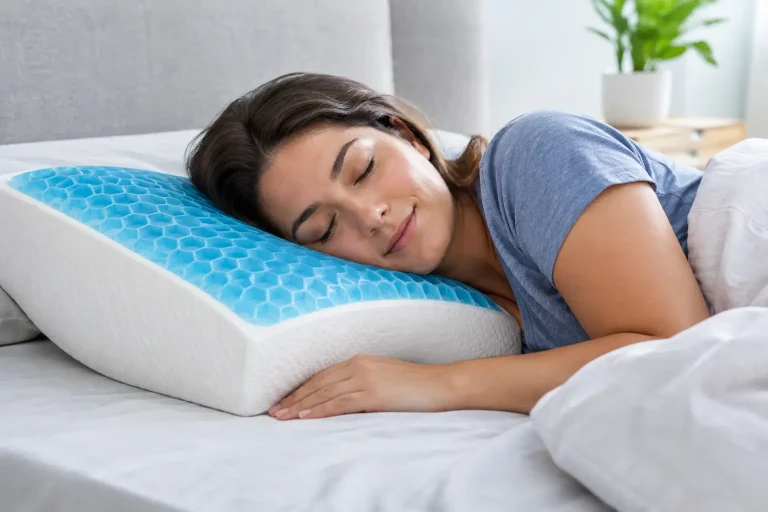
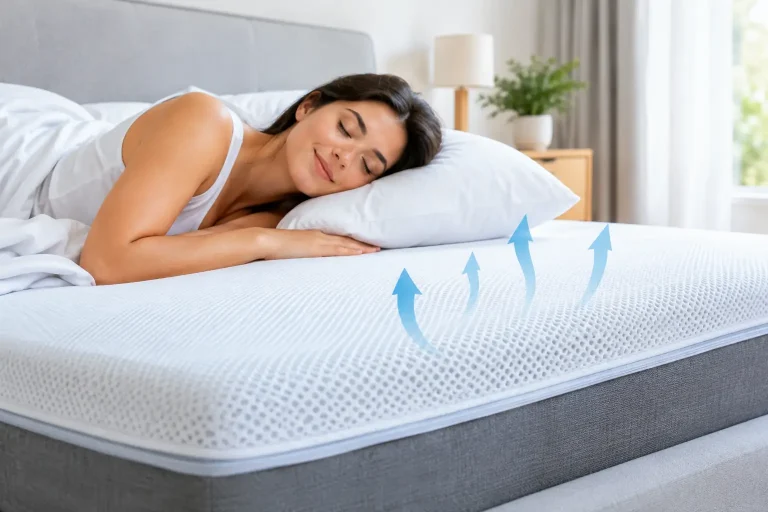
The most common concern is heat. Traditional memory foam can retain warmth because its close cell structure limits airflow. Some sleepers enjoy the cozy feel, but anyone who regularly wakes sweaty may find it disruptive. Cooling gel infusions, perforated foams, breathable covers, and open-cell construction can help, but not all cooling claims perform equally well.
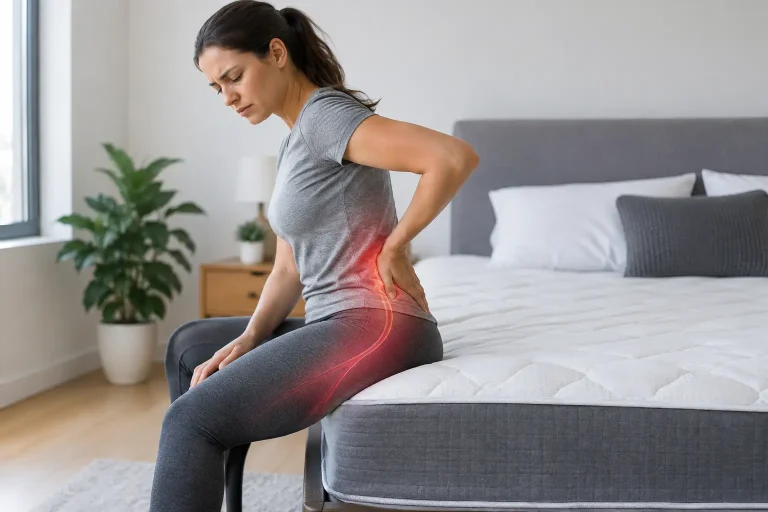
The second concern is support. A soft foam surface may feel luxurious in a showroom or during a brief trial, yet too much sink can pull the hips below the shoulders. This is particularly relevant for back and stomach sleepers, as well as people with a heavier body weight. Over time, poor alignment can contribute to morning lower-back tension rather than reduce it.
Then there is ease of movement. Deep, slow-response foam can create a “stuck” feeling. Some people love the enveloping sensation. Others find it difficult to change position, especially if they have mobility concerns, sleep hot, or frequently shift from side to back sleeping.
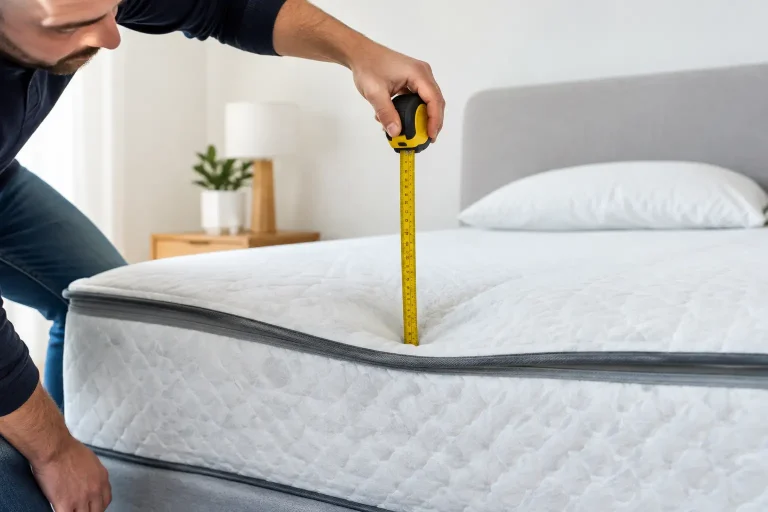
Durability depends on material quality. Lower-density foams are more likely to soften prematurely, leading to visible impressions and reduced support. A mattress is not truly pressure relieving if it loses the structure needed to hold your spine in a balanced position.
Contouring Foam Mattress Review: What to Check Before Buying
A useful review should explain construction, not only describe the bed as soft or comfortable. Comfort is personal, but materials reveal a great deal about how a mattress is likely to perform.
Look at the Support Beneath the Comfort Layers
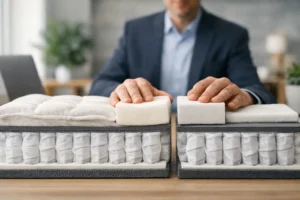
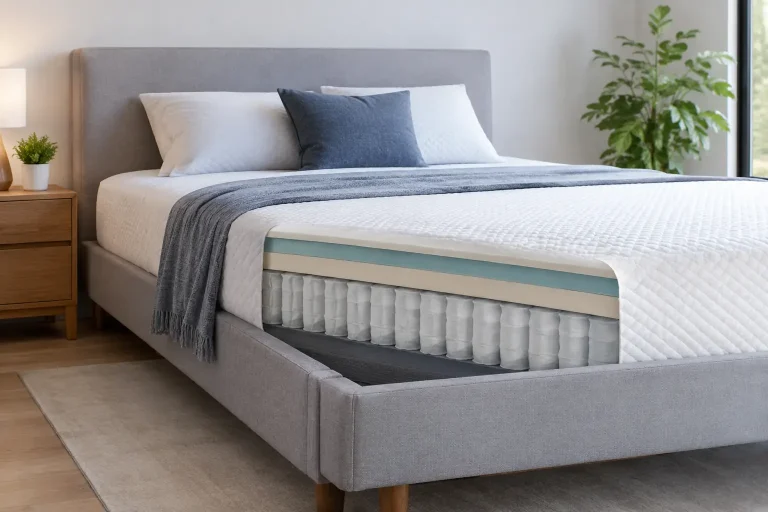
Foam on top is only one part of the sleep surface. In an all-foam mattress, the base foam must be dense and stable enough to prevent excessive sagging. In a hybrid, individually pocketed coils can provide more responsive support beneath the contouring layers.
Pocketed coils move independently, allowing the mattress to support different parts of the body more precisely. They can help keep the hips from sinking too far while still letting the shoulders receive pressure relief. They also promote airflow through the core of the mattress, which matters for hot sleepers.
This is why a hybrid construction often suits people who like foam comfort but do not want the deep, slow sink of a traditional all-foam bed. You receive contouring at the surface with a more stable, responsive foundation underneath.
Match Firmness to Your Sleep Position
There is no single best firmness for every sleeper. Side sleepers often benefit from a medium to medium-plush feel that cushions the shoulders and hips. Back sleepers commonly need a medium to medium-firm surface that allows light contouring without losing lumbar support. Stomach sleepers usually need a firmer, flatter feel to prevent the pelvis from dropping.
Body weight also changes how a mattress feels. A softer mattress may feel appropriately supportive for a lighter person but overly compressive for someone heavier. Conversely, a very firm mattress may offer strong support but create uncomfortable pressure for a lighter side sleeper.
If you share a bed with someone who has different needs, look for balanced medium-firm support, effective motion isolation, and an accommodating comfort layer. That combination tends to work better for couples than choosing a mattress that is extremely soft or extremely firm.
Treat Cooling Features as a System
A cool cover alone cannot compensate for heat-trapping comfort layers. Effective temperature regulation works across the mattress: breathable fabric at the surface, cooling or ventilated foam in the upper layers, and airflow through the support core.
Latex is worth considering in this conversation. It generally feels more buoyant and responsive than memory foam, while its naturally open structure can encourage better airflow. Combining latex or cooling gel foam with pocket springs can create a more temperature-balanced sleep environment without sacrificing pressure relief.
Your bedding and bedroom also matter. Heavy synthetic sheets, a thick comforter, and a warm room can overwhelm even a well-designed cooling mattress. Still, a mattress should not add unnecessary heat to the equation.
Check for Material Safety and Long-Term Confidence
Certifications can provide practical reassurance. CertiPUR-US certification indicates that qualifying flexible polyurethane foams meet standards for content, emissions, and durability. Oeko-Tex certification applies to textiles tested for harmful substances. These details do not tell you exactly how a mattress will feel, but they do help you assess the standards behind its materials.
A clear warranty and sleep trial also matter. A mattress changes how it feels after it expands and after your body has adjusted to a new support level. A reasonable trial period gives you time to determine whether your shoulders relax, your lower back feels supported, and your sleep temperature improves under real conditions.
Foam Versus Hybrid: Which Delivers Better Relief?
An all-foam mattress may be a strong choice if you prioritize deep motion isolation, close body contouring, and a quieter surface. It can be especially comfortable for side sleepers who enjoy a cradling feel and do not tend to sleep hot.
A hybrid mattress is often the more versatile choice for sleepers managing back pain, heat, or a feeling of being trapped in foam. The foam layers can relieve pressure, while pocket springs add airflow, edge support, and responsive spinal support. You can move more easily without giving up the comfort that makes contouring foam appealing.
Neither construction is automatically superior. The better choice depends on what wakes you up. If shoulder pressure and partner movement are your main problems, quality contouring foam may be enough. If you also wake warm, struggle with lower-back stiffness, or need more support when changing positions, a hybrid is often worth serious consideration.
The Best Test Is How You Feel in the Morning
Do not judge a mattress only by how soft it feels when you first lie down. Pay attention to how your body responds after a full night and after several weeks. Are you waking with less tension around the hips and shoulders? Does your lower back feel supported rather than compressed? Are you sleeping through your partner’s movements? Do you stay at a comfortable temperature?
A well-engineered mattress should make these improvements feel natural, not force you to choose between cushioning and support. Azure Mattress approaches this balance with contouring comfort layers, cooling materials, and individually pocketed springs designed to support alignment while reducing motion transfer.
The right mattress should leave you with one clear signal: you wake ready to move, not needing to recover from the bed you slept on.