A hybrid mattress can only perform as well as the surface beneath it. If you have invested in pressure relief, individually pocketed coils, and cooling comfort layers, this guide to hybrid bed foundations will help you choose a base that preserves those benefits night after night. The right foundation keeps the mattress level, supports spinal alignment, limits unnecessary wear, and helps you wake with less stiffness.
A bed foundation is not simply a piece of bedroom furniture. It is part of your sleep system. For people managing back discomfort, hot sleep, or a partner’s movement, the wrong base can leave even a premium hybrid mattress feeling less supportive than it should.
What a Hybrid Mattress Needs From a Foundation
Hybrid mattresses combine responsive coils with foam, latex, gel foam, or other comfort materials. The coil system needs a stable, evenly supported surface so it can distribute body weight properly. Meanwhile, the upper layers need protection from sagging, bending, and excess heat buildup.
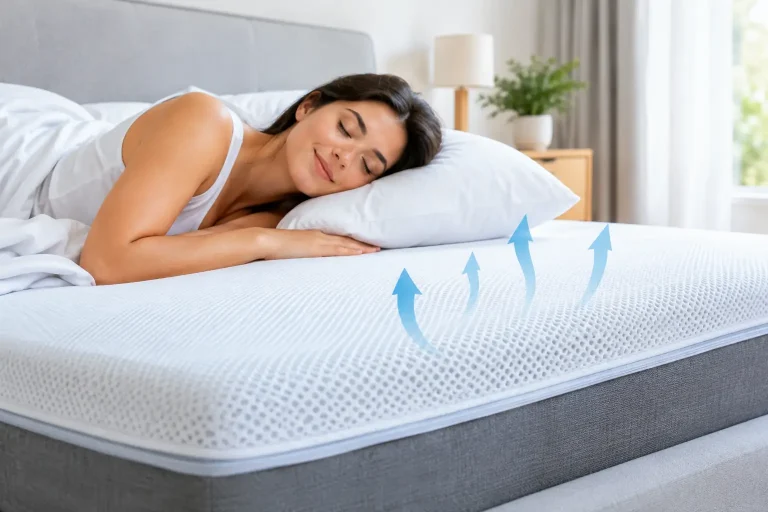
A suitable foundation should provide consistent support across the entire mattress, especially through the center. It should also allow enough airflow to help moisture and heat move away from the mattress. This matters if you sleep warm or live in a humid environment, where trapped heat can make a bed feel stuffy over time.
Most modern hybrid mattresses do not require a traditional box spring. In fact, an old-fashioned box spring with flexible springs can create an uneven surface under a heavy hybrid. That may affect comfort, shorten the usable life of the mattress, and make motion feel less controlled.
Instead, look for a firm platform, a closely slatted frame, or an adjustable base designed to hold the mattress evenly. Always check the mattress warranty requirements before making a final choice. Some manufacturers specify maximum slat gaps, center-leg requirements, or approved foundation types.
Guide to Hybrid Bed Foundations: Your Best Options
There is no single best base for every sleeper. Your body weight, sleep position, bedroom setup, and need for adjustable comfort all affect the right decision. The key is choosing a foundation that matches the mattress construction rather than selecting one based on appearance alone.
Platform Beds
A platform bed has a solid or slatted surface built into the frame. It is one of the most dependable choices for a hybrid mattress because it creates a stable, low-profile base without requiring a separate box spring.
A solid platform offers complete support from edge to edge. It can be a strong choice for couples, larger mattress sizes, and people who want a very steady feel. The trade-off is airflow. If the platform is completely solid, moisture may have fewer ways to escape from beneath the mattress. In a warm or humid room, consider lifting and airing out the mattress periodically.
Slatted platform beds offer more ventilation. Choose strong, fixed slats that are closely spaced, generally no more than 3 to 4 inches apart unless your mattress manufacturer says otherwise. Wide gaps can allow foam and coil layers to dip between slats, creating uneven pressure and reducing long-term support.
Slatted Bed Frames
A well-built slatted frame is a practical option when it includes a sturdy center beam and center support legs. These details are especially important for queen, king, and California king mattresses, where the middle of the bed carries significant shared weight.
The slats should sit securely in place and should not flex excessively. Slight flex may feel comfortable with some mattress designs, but too much movement can make the surface feel unstable. If you already notice your mattress dipping, creaking, or shifting when you turn over, inspect the slats and center supports before blaming the mattress itself.
For a hybrid designed for motion isolation, a stable slatted frame helps the pocketed coils do their job. The coils can respond independently to each sleeper instead of transferring extra movement through a loose or uneven bed frame.
Upholstered Foundations
An upholstered foundation is a rigid, fabric-covered base that sits inside or on top of a bed frame. It delivers the clean appearance of a traditional box spring while providing the firm, non-spring support most hybrid mattresses need.
This is a useful choice if you prefer a taller bed or want to keep an existing headboard and frame. Make sure the foundation is rated for the combined weight of the mattress and sleepers. A hybrid mattress can be substantially heavier than a basic innerspring model, particularly in larger sizes.
Before buying, confirm that the surface is flat and non-flexing. A decorative foundation that looks substantial but lacks internal support can cause the same problems as an aging box spring.
Adjustable Bases
An adjustable base can be an excellent match for many hybrid mattresses, provided the mattress is labeled compatible. Raising the head may help some sleepers read, relax, or reduce discomfort from lying flat. Elevating the legs can also feel relieving after a long day on your feet.
For couples, split adjustable bases can offer individualized positioning. That flexibility comes with a few considerations: adjustable bases cost more, require power, and may change how fitted sheets sit around the mattress. You will also want a hybrid with flexible comfort layers and durable construction that can move repeatedly without bunching or straining.
If you experience lower-back tension, test positions gradually. An elevated head and knees can feel supportive for one person and restrictive for another. Comfort is personal, and a base should support your natural resting posture rather than force a position that does not feel right.
Why Center Support Matters So Much
The center of a larger bed is often where foundation problems begin. Without a center rail and support legs touching the floor, a queen or king frame can bow under regular use. That bowing may lead to a visible dip, reduced edge stability, and more strain on the mattress materials.
For couples, center support protects both sleep quality and mattress performance. It keeps weight distributed more evenly, allowing pocketed coils and comfort layers to respond as intended. It also helps prevent the familiar feeling of rolling toward the middle of the bed.
Check that center legs are firmly planted on the floor. On thick carpet, they may sink slightly over time. On hardwood or tile, use floor protectors that do not slide. A foundation only works when every support point is stable.
How to Tell Whether Your Current Base Is Causing Problems
A mattress can feel uncomfortable for many reasons, but the foundation is easy to overlook. Start by removing the mattress and inspecting the base in good light. Look for cracked slats, bent metal, loose screws, broken welds, sagging fabric, or a center beam that is no longer level.
You may also notice warning signs while sleeping. A mattress that suddenly feels softer in the middle, louder when you move, or less supportive near the edges may be resting on an unstable foundation. Persistent creaking does not always mean structural failure, but it is worth checking. Tightening hardware and replacing damaged components can restore stability before the problem worsens.
If you have back pain or morning stiffness, place the mattress temporarily on a known flat, supportive surface if practical. If it feels noticeably better, the existing bed frame or foundation may be contributing to the issue.
Foundation Fit, Height, and Bedroom Practicality
Support comes first, but daily usability matters too. Consider total bed height after adding the mattress. A high foundation paired with a thick hybrid mattress may be difficult for shorter adults, older sleepers, or anyone with knee and hip discomfort. A lower platform can make getting in and out of bed easier while giving the room a cleaner, more modern profile.
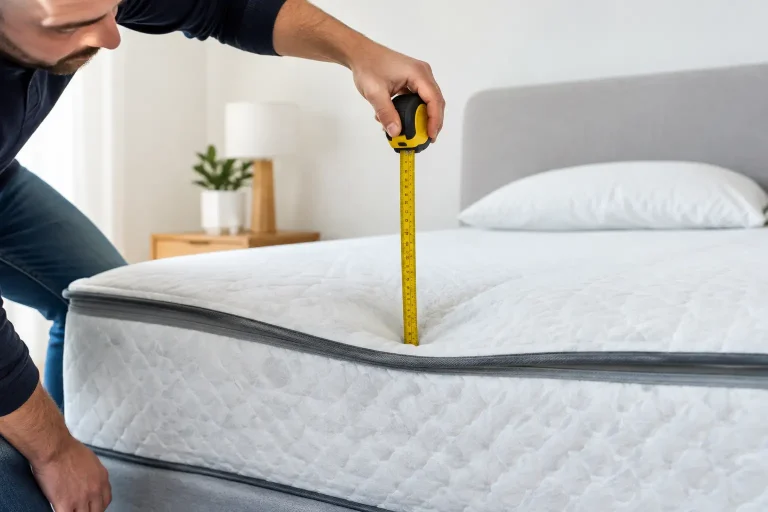
Measure the inside dimensions of your frame as well. A mattress should fit securely without being compressed at the sides or leaving large gaps that allow it to shift. This is particularly relevant with foam and hybrid designs, which can feel less stable if they slide on a smooth base.
Also think about storage, cleaning, and airflow. An open frame makes it easier to vacuum beneath the bed, while a solid base may offer a more streamlined look. Neither is automatically better. The priority is a level, durable surface that meets the mattress requirements.
A Simple Checklist Before You Buy
Before choosing a foundation, confirm four things: the base is rated for your mattress and sleeper weight, the support surface is flat and stable, slats are closely spaced if present, and larger sizes have a center rail with secure center legs.
Then consider your comfort goals. A firm platform or rigid foundation is ideal when you want dependable support and minimal movement. A slatted base can improve under-mattress airflow. An adjustable base can add positioning flexibility for reading, recovery, and personalized comfort.
The best foundation does not need to be complicated or expensive. It needs to give your hybrid mattress a stable place to do what it was engineered to do: cushion pressure points, support healthy alignment, reduce partner disturbance, and help create cooler, more restorative sleep. When your mattress and foundation work as one system, every layer has a better chance to support the way you feel in the morning.