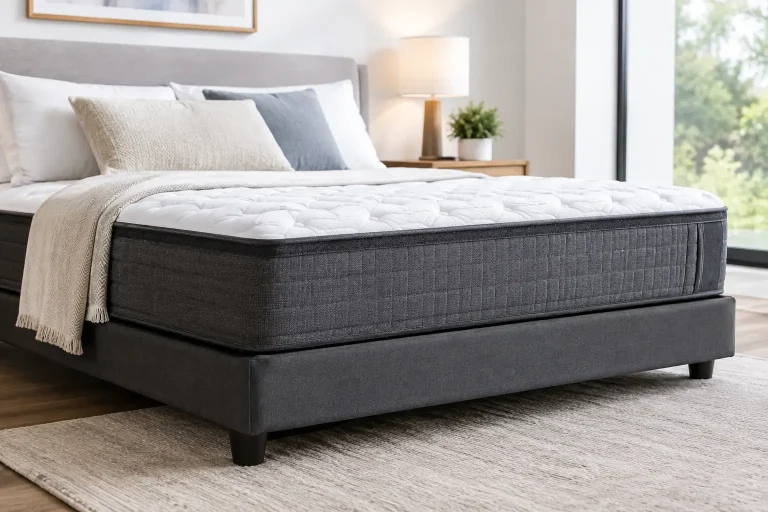
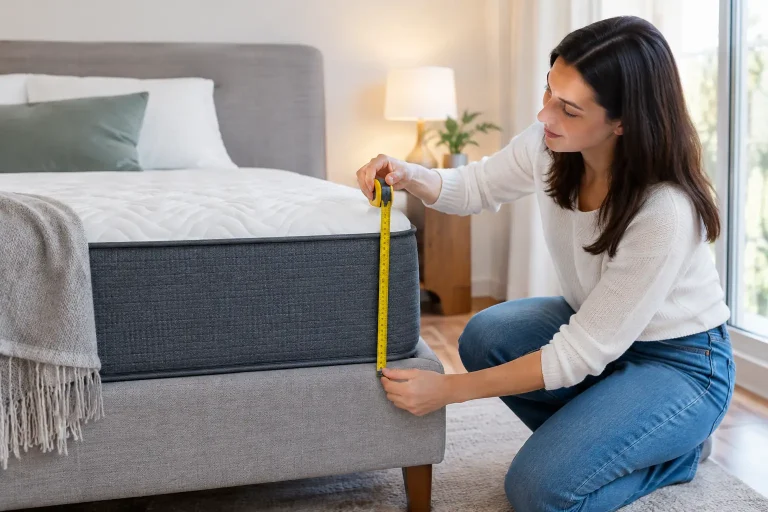
A mattress can look substantial and still leave your lower back feeling unsupported by morning. That is why the better question is not simply whether a thicker bed feels more premium. Does mattress thickness affect support? Yes, but thickness only helps when the extra height comes from purpose-built comfort and support layers, not just more soft foam.
For sleepers managing stiffness, pressure points, overheating, or a partner who moves through the night, mattress construction matters far more than a number on a product label. The right design keeps your body comfortably cushioned while helping your spine remain in a neutral, well-supported position.
Does Mattress Thickness Affect Support?
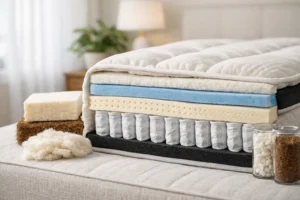
Thickness can affect support because it creates space for a mattress to use multiple layers with distinct jobs. A taller mattress may have room for pressure-relieving comfort materials at the surface, a responsive transition layer beneath them, and a durable coil or high-density foam core below. When those layers work together, your shoulders and hips can settle in without allowing your midsection to sink too far.
But thicker is not automatically better. A 14-inch mattress built mostly with plush, low-density foam may feel inviting in a showroom and still allow excessive sink over time. Meanwhile, a well-engineered 10- or 12-inch hybrid can deliver stronger alignment because its pocketed coils, transition materials, and comfort layers are designed to respond to body weight in the right sequence.
Think of thickness as available engineering space. It is valuable, but the materials and structure filling that space determine whether you wake up restored or reach for your lower back before you get out of bed.
Support Comes From the Core, Not the Height Alone
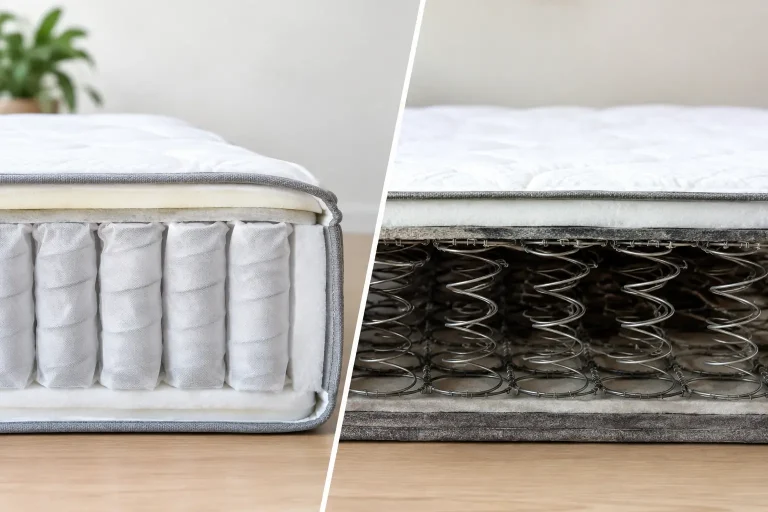
The support core is the foundation of a mattress. In a hybrid, this is typically a system of individually pocketed coils. Each coil responds more independently than a traditional interconnected spring unit, helping the mattress support heavier areas of the body without creating one broad, uneven dip.
That targeted response is especially helpful for couples. When one sleeper changes position, pocketed coils can limit how much movement travels across the surface. The result is a steadier sleep environment for the person on the other side of the bed.
A thicker mattress can include a taller coil system or additional support materials, which may improve durability and weight distribution. However, coil count, coil gauge, zoning, and edge reinforcement are all relevant. A mattress with more height but a weak core will not provide the lasting support your spine needs.
For foam mattresses, look beyond total thickness and ask about the density and role of the base foam. A deep foam mattress needs a stable, resilient foundation to prevent the comfort layers from compressing too far under the pelvis and lower back.
The Comfort Layer Has a Different Job
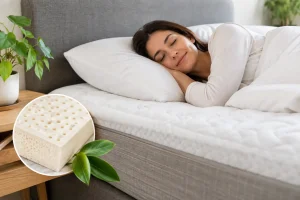
Support and comfort are connected, but they are not identical. The upper comfort layers are responsible for cushioning pressure-prone areas, particularly the shoulders, hips, knees, and lower back. Latex, cooling gel foam, and other responsive materials can contour to these areas while reducing the sharp pressure that causes tossing and turning.
If this layer is too thin, a side sleeper may feel the firmer support core too quickly at the shoulder and hip. If it is too thick and too soft, a back or stomach sleeper may sink into an unhealthy curve. This is where mattress thickness becomes personal: your sleep position, body shape, and preferred feel influence how much cushioning you actually need.
Why Your Sleep Position Changes the Answer
Side sleepers often benefit from a little more depth in the comfort system because their shoulders and hips need room to compress into the mattress. That does not mean they need an excessively soft bed. They still need a stable support layer beneath the surface to keep the waist from collapsing downward.
Back sleepers usually need balanced contouring and consistent lumbar support. A medium to medium-firm hybrid with a substantial support core often works well because it cushions the curves of the body without allowing the hips to drop below the shoulders.
Stomach sleepers generally need the least amount of deep softness. Too much plush material can pull the pelvis downward, placing strain on the lower back. For these sleepers, a thinner comfort layer paired with firmer underlying support may feel more secure, even if the total mattress profile is still generous.
Combination sleepers need responsiveness. Latex and individually pocketed coils are useful here because they can provide pressure relief without the deeply trapped sensation some people experience in slow-moving foam. A mattress should make it easy to change position, not make every turn feel like effort.
Thickness, Firmness, and Feel Are Not the Same Thing
A common mistake is assuming a thick mattress will be firm or that a thin mattress will be firm. Neither is guaranteed. Firmness describes how resistant the surface feels when you lie down. Thickness describes the mattress height. Support describes how effectively the mattress holds your body in proper alignment.
A 12-inch mattress can feel soft, medium, or firm depending on its construction. A 10-inch mattress can feel remarkably supportive when it uses quality materials in a smart layer arrangement. The goal is not to buy the tallest profile available. It is to choose a mattress that provides enough comfort depth for pressure relief and enough structural strength for stable alignment.
For people with recurring back discomfort, the best fit is often a medium-firm feel with a responsive support system. Still, body weight matters. A lighter sleeper may find a medium mattress firmer than expected, while a heavier sleeper may need more substantial coils and denser materials to avoid bottoming out.
When a Thicker Mattress Is Worth It
A thicker mattress may be a smart choice when its height reflects meaningful performance features. This can include a deeper pocket coil unit for stable support, a transition layer that prevents abrupt pressure against the coils, and breathable comfort materials that relieve pressure without trapping heat.
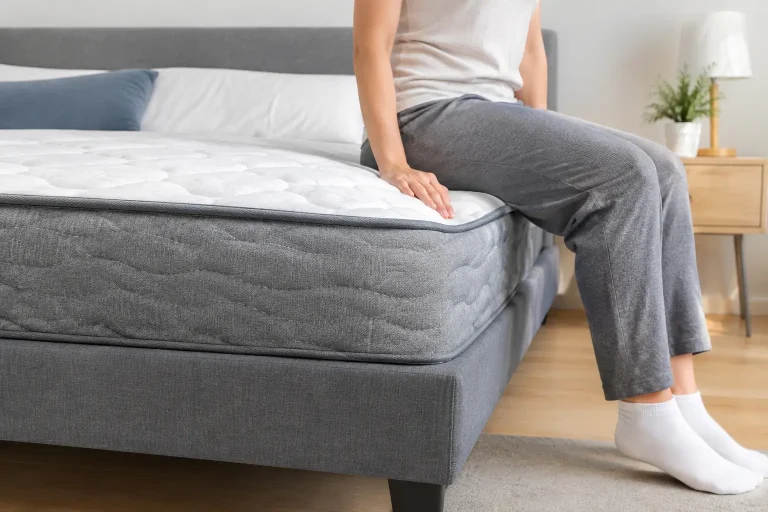
It can also be helpful for sleepers who want a more substantial bed height. Getting in and out of bed can feel easier when the mattress and foundation create a comfortable sitting height, especially for adults with joint stiffness. Just make sure the total bed height suits your frame and mobility needs.
There are trade-offs. Taller mattresses can require deep-pocket sheets, may feel less stable on a low-quality platform, and can be harder to move. Most importantly, added layers should serve a purpose. Extra foam that only creates a plush first impression is not the same as extra engineering that protects support through years of nightly use.
Look for Layered Support That Solves Real Sleep Problems
When comparing mattresses, read the layer description instead of focusing only on the profile height. A well-designed hybrid typically combines several benefits: pressure relief near the surface, resilient transition support in the middle, and an individually responsive coil foundation below.
Cooling should be part of that conversation, too. Sleeping hot can interrupt the deeper stages of rest, and dense foam layers can hold warmth when they are not designed for airflow. Breathable latex, cooling gel foams, and airflow around a pocketed coil system can help disperse heat while maintaining the supportive feel you need.
Material certifications can provide additional reassurance. Standards such as CertiPUR-US and Oeko-Tex indicate that materials have been tested against specific chemical and emissions criteria. They do not tell you whether a mattress is right for your body, but they are useful quality signals when paired with clear information about the mattress construction.
At Azure Mattress, the hybrid approach is built around this balance: contouring comfort for pressure relief, structured pocket springs for spinal support and reduced partner disturbance, and cooling-focused materials for a calmer night of sleep.
Test Support With Your Body, Not Your Hand
Pressing a mattress with your hand tells you very little about how it will support you for eight hours. Your body distributes weight differently across your shoulders, hips, and lower back. Whenever possible, lie in your usual sleep position for several minutes and notice whether your hips dip, your shoulder feels compressed, or your lower back feels unsupported.
A good mattress should feel supportive without feeling like a hard surface. Your body should be able to relax, while your spine stays naturally aligned. If you wake with numb arms, sore hips, or persistent lower-back tension, the issue may be insufficient pressure relief, inadequate support, or a mismatch between the two.
Choose thickness as part of the full construction story. A mattress with the right combination of comfort depth, responsive materials, and a stable core gives your body what it needs most: a peaceful surface that helps you recover, move less, and wake ready for the day.