A mattress can feel soft for five minutes in a showroom and still leave your lower back tight by morning. That is why a mattress construction review should look beyond the cover, the price tag, and broad labels like “firm” or “luxury.” The real sleep experience comes from how each layer works with the next: how it cushions pressure points, keeps your spine supported, releases heat, and limits the movement you feel from a partner.
For adults managing stiffness, joint discomfort, hot sleep, or restless nights beside a partner, construction is not a technical detail. It is the reason a mattress either helps you wake up more refreshed or becomes another source of interrupted sleep.
What Mattress Construction Tells You
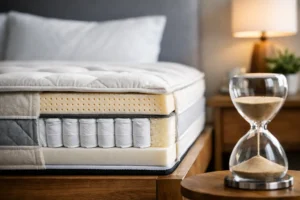
A well-designed mattress has a job for every layer. The comfort layers should ease pressure at the shoulders, hips, and knees. The support core should resist excessive sink so the spine can remain in a more neutral position. The cover and upper materials should also help manage humidity and heat near the body.
When any one element is out of balance, comfort can break down. A mattress with too much plush foam and not enough support may feel inviting at first but allow the hips to dip. A very firm spring bed may hold the body up but create uncomfortable pressure at the shoulders. The best construction is not simply the softest or firmest option. It is the one that distributes your weight while maintaining stable support.
This is where hybrid mattresses have a meaningful advantage. They combine responsive coil support with comfort materials such as latex, cooling gel foam, or pressure-relieving foam. Rather than asking one material to solve every sleep problem, a hybrid gives each layer a specific role.
Mattress Construction Review: The Layers That Matter
The cover sets the sleep surface
The cover is the first point of contact, but it does more than affect initial softness. A breathable, moisture-managing fabric can make the bed feel less stuffy, especially for sleepers who wake up warm. Quilting can add gentle cushioning, while a stretch-knit cover allows the comfort layers beneath it to respond more freely to your body.
A cover alone cannot turn a heat-trapping mattress into a cool one. Still, it supports the overall temperature-regulation system. Look for a construction that pairs a breathable cover with ventilated or cooling comfort materials beneath it.
Comfort layers determine pressure relief
The upper layers are where your body settles in. Their purpose is to reduce pressure concentration without creating a deep, unstable sinking sensation. This is particularly relevant for side sleepers, whose shoulders and hips carry more concentrated load.
Cooling gel foam is often used to provide contouring comfort while helping disperse heat. It can be a strong option for sleepers who enjoy the close, cushioned feel of foam but find traditional memory foam too warm. The quality and thickness of the foam matter, however. Thin comfort layers may not provide enough pressure relief, while overly soft, thick layers can make movement more difficult for some people.
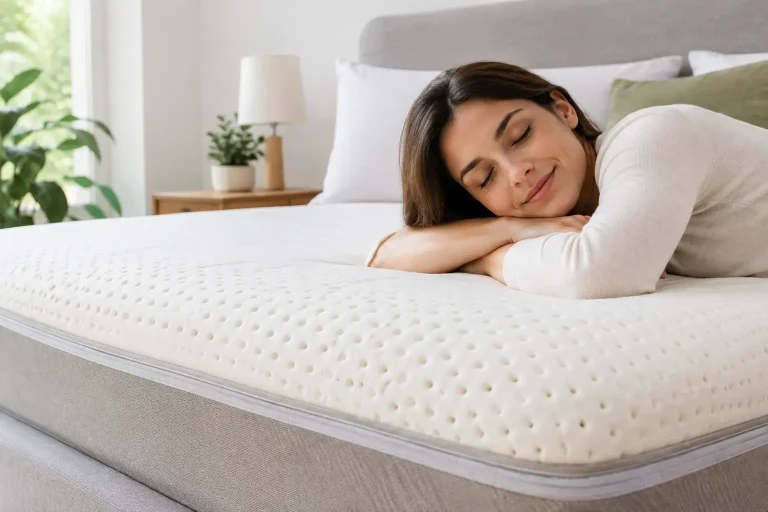
Latex brings a different feel. It is naturally buoyant and responsive, so it cushions the body without the slow, deep hug associated with some foams. Many people appreciate latex when they want pressure relief but also want to change positions easily during the night. Its open-cell structure can also support better airflow than denser foam constructions.
For joint comfort, the goal is controlled cushioning. Your shoulders and hips should have room to settle, while your midsection remains supported rather than sagging.
Transition layers create stability
A transition layer sits between the softer comfort materials and the firmer support core. It may seem less exciting than latex or cooling gel foam, but it is often what keeps the mattress from feeling unstable.
Without a proper transition layer, your body can move too abruptly from soft cushioning to firm coils. That can create pressure or a sensation of bottoming out. A thoughtfully designed transition layer spreads weight more evenly and helps the upper comfort materials perform without compromising spinal support.
Pocketed coils provide the support system
The coil unit is the structural center of many hybrid mattresses. Individually pocketed springs move more independently than a connected spring network. Instead of the entire surface reacting when one area is compressed, each coil can respond more locally to the body.
That design brings three practical benefits. First, it supports more targeted pressure relief because the springs can adapt across the shoulders, hips, and lower back. Second, it improves airflow through the mattress, helping heat escape rather than becoming trapped in dense material. Third, it reduces motion transfer compared with traditional connected coil systems.
For couples, motion isolation is a major quality-of-life feature. No mattress can erase every movement, especially when someone gets out of bed, but pocketed coils and well-designed foam layers can significantly reduce the disturbance felt on the other side. That means fewer jolts from turning, shifting, or late-night wakeups.
Coil count alone should not decide your purchase. More coils do not automatically mean better sleep. Coil gauge, zoning, individual pocketing, edge support, and the materials above the coil unit all affect how supportive and durable the mattress feels.
Why Zoned Support Can Help With Back Pain
Not every part of the body needs the same resistance. The lumbar area often benefits from firmer support, while the shoulders need more give. Zoned construction addresses this by varying the support level across the mattress.
A zoned pocket-spring system can help keep heavier areas, particularly the hips and midsection, from sinking too far. This may support healthier spinal alignment for back and side sleepers. It is not a medical cure for chronic pain, and no mattress can replace professional care when pain is persistent or severe. But a supportive sleep surface can reduce the nightly strain caused by poor posture in bed.
The right firmness still depends on body weight, sleep position, and personal preference. A lighter side sleeper may need more surface cushioning than a heavier back sleeper. Stomach sleepers often need a firmer, flatter surface to avoid excessive hip sink. Construction explains the capability of a mattress, but your sleeping style determines whether that capability suits you.
Cooling Is a System, Not a Single Material
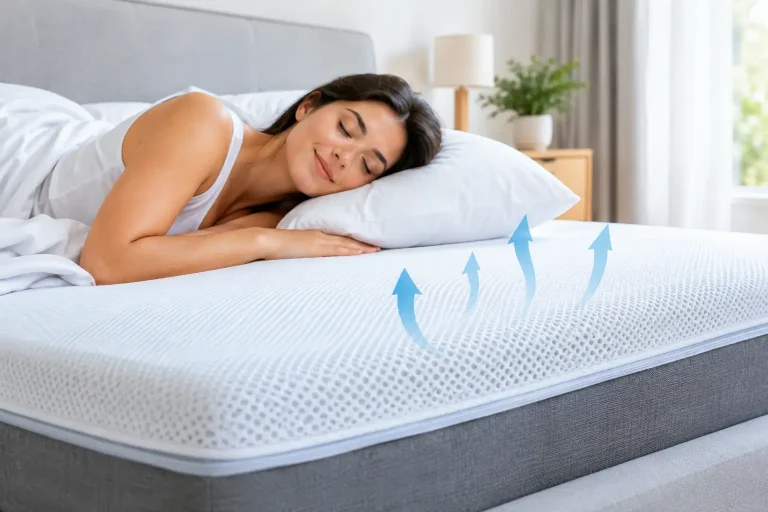
“Cooling” can be one of the most misunderstood claims in mattresses. A cool-to-touch cover may feel refreshing when you first lie down, yet that effect can fade if the mattress below holds heat. Real temperature regulation requires a system that manages both heat and airflow.
Hybrid construction helps because the space around pocketed coils allows air to circulate more freely than it can through an all-foam core. Latex can add further breathability, while cooling gel foams are designed to reduce the heat buildup commonly associated with dense memory foam. Combined with a breathable cover, these materials can create a sleep surface that feels more consistently comfortable through the night.
Hot sleepers should also consider their bedding, room temperature, and sleepwear. Even the best cooling mattress will work harder under a heavy synthetic comforter in a warm room. Still, starting with an airflow-focused mattress construction gives your sleep environment a stronger foundation.
Durability Depends on What Is Inside
A mattress should not lose its support after a short period of use. Durability comes from material quality, layer balance, and a support core built to handle repeated compression night after night.
High-quality latex is known for resilience. Dense, certified foams can offer more consistent performance and peace of mind regarding material standards. Pocketed coil systems can retain their structure well when paired with a stable base and reinforced perimeter. Certifications such as CertiPUR-US and Oeko-Tex can also provide useful reassurance about foam emissions and textile testing, though they are not a substitute for evaluating the whole mattress design.
Edge support deserves attention if you sit on the side of the bed, share a smaller mattress, or prefer to use the full sleep surface. Reinforced edges can make the bed feel more stable and reduce the roll-off sensation that weaker foam borders can create.
How to Read a Mattress Spec Sheet With Confidence
A useful spec sheet should explain the materials in order, from cover to base. Be cautious when a product description relies only on vague terms such as “premium foam” or “hotel comfort” without explaining what supports your body underneath.
Look for a clear combination of breathable surface materials, pressure-relieving comfort layers, a stable transition section, and individually pocketed coils. Then consider how those features relate to your main concern. If partner movement wakes you, prioritize pocketed coils and motion-absorbing foam. If you sleep hot, focus on airflow, latex, gel-infused comfort layers, and a breathable cover. If back stiffness is the issue, look for balanced firmness, zoned support, and a construction that prevents the hips from sinking too deeply.
Azure Mattress designs its hybrid sleep systems around this practical balance: comfort for pressure relief, structured support for the spine and joints, and airflow-focused materials for cooler rest.
The best mattress is not the one with the longest feature list. It is the one whose construction solves the reason you are replacing your current bed. When every layer has a clear purpose, peaceful, supported sleep becomes much easier to trust night after night.