A new mattress should feel like a step toward deeper rest, better spinal support, and fewer sore mornings. But when you first unbox one, you may notice a distinct smell and wonder whether sleeping on it right away is a good idea. This mattress off gassing guide explains what that odor is, what is normal, and how to prepare your room for a more comfortable first night.
For most people, a light new-mattress smell is temporary. A little ventilation and patience can make a meaningful difference. The key is knowing the difference between a brief unpacking odor and a smell that deserves a closer look.
What Mattress Off Gassing Actually Means
Off gassing is the release of volatile organic compounds, often called VOCs, from manufactured materials. Foams, adhesives, fabrics, and packaging may release small amounts of these compounds after production, particularly when a mattress has been vacuum-packed in plastic for shipping.
When you open the box, the mattress begins to expand and the trapped air is released into the room. That can create an odor some people describe as new, chemical-like, sweet, or similar to plastic. It does not automatically mean that the mattress is unsafe or poorly made. It means the materials are adjusting after a period of sealed storage.
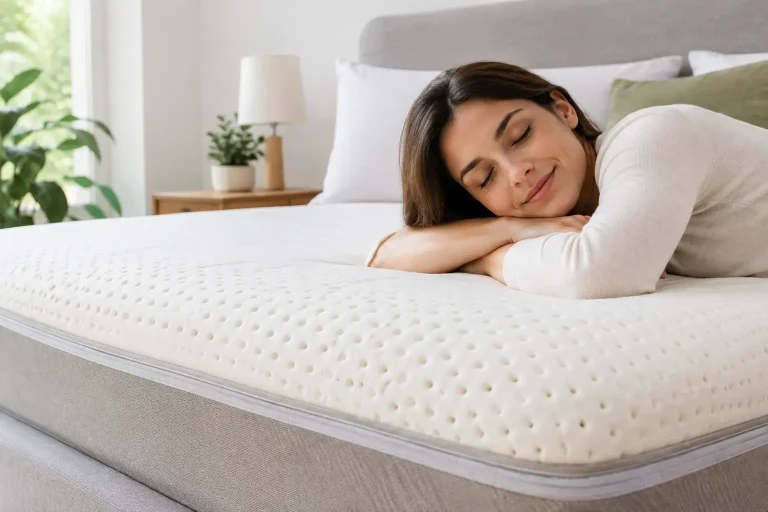
The construction matters. A hybrid mattress may combine pocketed coils with comfort materials such as latex, cooling gel foam, and supportive foam layers. Each material has its own natural scent profile. Latex, for example, can have a mild rubber-like smell, while foam can carry a temporary manufacturing odor after it is unpacked.
Higher-quality material standards help reduce unnecessary concern. Certifications such as CertiPUR-US for foam and OEKO-TEX for tested textiles can provide useful reassurance about material screening. Still, certifications do not promise that a mattress will have no scent at all. A brief odor after delivery can occur even with carefully selected materials.
Mattress Off Gassing Guide: What to Do First
Start by opening your mattress in a well-ventilated room. If possible, unbox it during the day, open windows, and allow fresh air to circulate through the space. Turn on a ceiling fan or place a fan nearby to keep air moving, but do not press a fan directly against the mattress surface.
Give the mattress time to fully expand before making the bed. Many mattresses regain most of their shape within a few hours, though complete expansion can take longer depending on the materials, temperature, and how long the mattress remained compressed. Check the manufacturer’s instructions for the recommended setup window.
If the scent is noticeable, leave the mattress uncovered for several hours or overnight in a room with good airflow. A bare mattress can air out more effectively than one immediately covered with a protector, sheets, comforter, and pillows. Once the smell has softened to a level you find comfortable, make the bed as usual.
Avoid trying to cover up the odor with fragrance sprays, scented candles, or heavy room deodorizers. These products can make the room feel more irritating, not less, especially for people who are sensitive to strong scents. Fresh air is the simpler and more reliable approach.
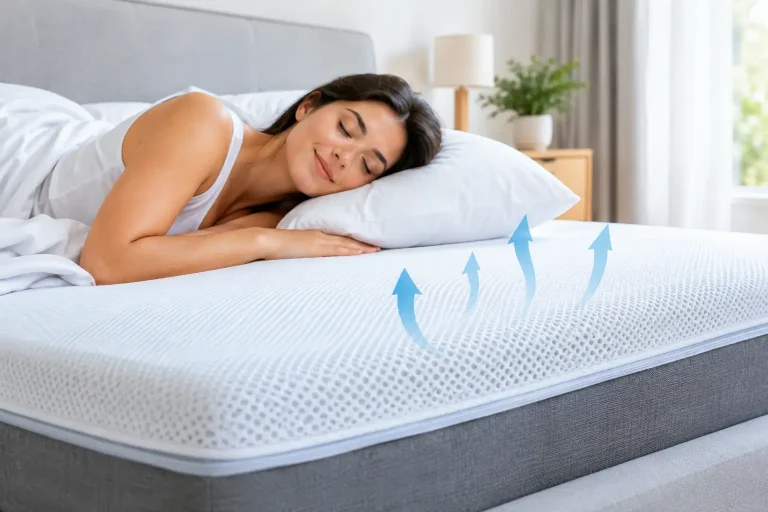
Temperature also plays a role. Warm rooms can make odors seem stronger because materials release compounds more quickly. You do not need to make the bedroom cold, but keeping it comfortably cool and well ventilated supports both air circulation and more restorative sleep.
How Long Does the Smell Last?
There is no single timeline because room size, ventilation, humidity, mattress materials, and personal sensitivity all affect the experience. For many new mattresses, the strongest smell fades within a few hours to a few days. In a closed room with limited airflow, a milder scent can linger for a week or two.
A compact bedroom, for example, will hold onto an odor longer than a large room with open windows. The same mattress may smell more noticeable in a warm, humid climate than in a cool, dry, ventilated space. That is why setting up your mattress early in the day can be helpful: you have time to let the room breathe before bedtime.
If you are especially scent-sensitive, plan ahead. Unbox the mattress in a spare room or a well-aired bedroom, then let it expand for 24 to 72 hours before sleeping on it. This is not necessary for every household, but it can provide extra peace of mind for people with sensitivities, young children, or a preference for a completely fresh-feeling sleep environment.
Do not confuse off gassing with the normal smell of a mattress protector or new bedding. Washing new sheets and protectors before use can remove finishing odors from those items, making it easier to tell where a remaining scent is coming from.
When a Mattress Smell Is Not Normal
A temporary, steadily fading odor is one thing. A powerful smell that does not improve, or that gets worse, is another. Trust what you are experiencing in your own bedroom.
A smell may warrant a call to the retailer or manufacturer if it remains very strong after you have aired out the mattress and room for several days, smells musty or damp, or is accompanied by visible staining, moisture, or packaging damage. Musty odors can point to a storage or transit issue rather than typical off gassing.
Pay attention to how your body responds as well. If you experience ongoing headaches, nausea, eye irritation, breathing discomfort, or symptoms that improve when you leave the room, stop using the mattress temporarily and move to fresh air. Contact a healthcare professional for medical advice, particularly if you have asthma, allergies, or chemical sensitivities. Then contact the seller to discuss the product and your options.
A reputable sleep brand should make this process straightforward. Clear material information, a meaningful trial or return policy, and responsive customer support reduce the risk of being stuck with a mattress that does not work for your comfort needs.
Better Bedroom Air, Better Sleep Recovery
The goal is not just to remove a new-mattress smell. It is to create a sleep space that supports recovery night after night. Air out the bedroom regularly, especially after unboxing large upholstered items. Keep the room cool enough for comfortable sleep, wash bedding consistently, and avoid letting humidity build up around the mattress foundation.
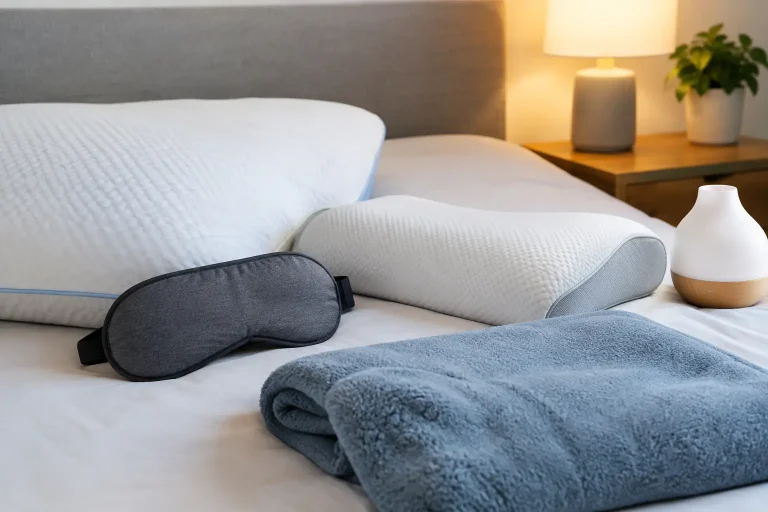
Use a breathable mattress protector once the mattress has aired out. It can help shield the surface from sweat, spills, and allergens without sealing in heat. Pairing it with breathable sheets can be especially useful if you tend to sleep warm or wake up uncomfortable from trapped heat.
Do not place a newly unpacked mattress directly against a wall or cover it with storage boxes while it expands. Give air access to the sides and surface. A supportive bed frame with adequate airflow underneath also helps maintain a cleaner, drier sleep environment over time.
For couples, a well-designed hybrid mattress can solve more than one problem at once: pocketed coils can help limit motion transfer, responsive comfort layers can ease pressure around the shoulders and hips, and breathable materials can help manage overnight heat. Those performance benefits matter long after the first-day smell has disappeared.
A new mattress is an investment in how you feel when the alarm goes off. Let it air out properly, give it room to settle, and then enjoy the calmer, cooler, better-supported sleep it was built to deliver.