A mattress can feel wrong long before it looks worn out. You may wake with lower-back stiffness, find a new dip where you sleep, or notice every turn your partner makes. The mattress topper versus replacement decision comes down to one question: is your mattress still providing stable support beneath the comfort layer?
A topper can make an overly firm sleep surface feel gentler and relieve some pressure at the shoulders and hips. It cannot rebuild a broken spring system, flatten deep body impressions, or restore the alignment lost when the mattress foundation has worn down. Knowing the difference can prevent you from spending money on a temporary fix when your sleep needs a true reset.
Mattress topper versus replacement: start with support
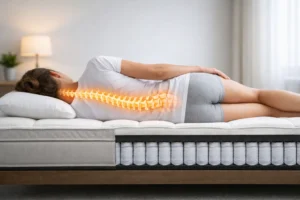
Your mattress has two jobs. The upper layers cushion pressure points and shape themselves around your body. The core beneath them holds your spine in a neutral position and keeps your body from sinking too far.
A topper changes the first job. It adds a new comfort layer, usually made with foam, latex, fiberfill, or a cooling material. A replacement mattress addresses both jobs, giving you fresh pressure relief and a new support system.
That distinction matters most for people who wake with pain. If your mattress is flat, level, and supportive but simply feels too firm, a well-chosen topper may create a noticeably more comfortable night. If you wake in the same position with your hips sagging, shoulders aching, or lower back tightened, extra softness on top can make the problem worse by allowing deeper sinkage.
Signs a topper is a sensible upgrade
A topper is worth considering when the mattress is structurally sound and your comfort preferences have changed. Perhaps you bought a firm mattress for back support but now feel pressure at your shoulders as a side sleeper. Or your current mattress is still even and responsive, but its surface has become less plush than you prefer.
It can also be useful for a short-term situation: a guest room mattress that needs more cushioning, a temporary living arrangement, or a bed that is still relatively new but was the wrong firmness from day one. In these cases, a topper can be a cost-conscious adjustment rather than a compromise.
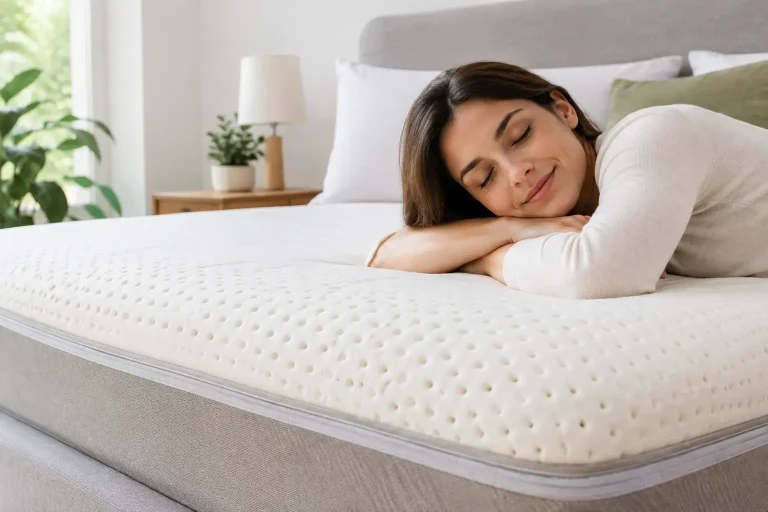
Choose the material based on the sleep problem you want to solve. Latex generally offers buoyant pressure relief with more airflow and easier movement than slow-response foam. Memory foam can contour closely around the body and soften pressure points, though some sleepers find it retains more heat. Cooling gel foam may feel more temperature-balanced, but breathability also depends on the topper cover, your sheets, and room conditions.
Thickness matters as well. A 2-inch topper can fine-tune the feel of a mattress without dramatically changing its support. A 3- or 4-inch topper has a bigger effect, which can help on a very firm bed but may reduce stability for combination sleepers or anyone needing stronger lumbar support.
When a topper will not solve the problem
A topper follows the surface beneath it. If your mattress has a valley, sagging edge, broken coils, or visible lumps, the topper will conform to those flaws. The bed may initially feel softer, but your body is still being held in an uneven position.
Be especially cautious if the mattress creates a dip that you can see without bedding or feel when lying down. This is not just a comfort issue. A sagging surface can pull the hips lower than the shoulders, placing strain on the lower back, or let the shoulders collapse too deeply, which may aggravate neck and upper-back tension.
A topper is also unlikely to help when partner disturbance is the main problem. If motion from one sleeper travels across the mattress, the issue is usually inside the mattress construction. A topper may slightly mute surface movement, but it cannot create the independent response of a properly designed pocketed coil system.
Four signs it is time to replace your mattress
Mattresses do not fail all at once. Support gradually becomes less consistent, which is why many people adapt to a deteriorating bed without realizing it is affecting their recovery. Replacement is usually the better choice when you notice several of these signs together:
- You wake with stiffness or aches that ease after moving around, especially if you sleep better in another bed.
- There are body impressions, sagging areas, lumps, creaking springs, or edges that collapse when you sit or lie near them.
- You are sleeping warmer than before because foams have compressed and airflow through the mattress has declined.
- Your needs have changed, such as new joint discomfort, a different sleep position, a partner with different comfort needs, or a desire for better motion isolation.
Age is useful context, but it should not be the only test. A well-made mattress can remain comfortable for years, while a lower-quality model may lose support much sooner. Look at performance, not just the calendar. If the bed no longer keeps you comfortable, aligned, and undisturbed through the night, its useful life may be over.
Why more softness is not always better for back pain
When your back hurts, the instinct is often to make the bed softer. Sometimes that is correct. A too-firm surface can create pressure at the shoulders, hips, and ribs, causing you to shift repeatedly instead of settling into restorative sleep.
But back pain can also come from insufficient support. A mattress that lets the pelvis sink deeply can flatten the natural curve of the lower back and leave muscles working overnight to stabilize the body. Adding a thick, plush topper to an already sagging mattress may amplify that effect.
The better goal is balanced comfort: enough contouring to relieve pressure, with enough resistance underneath to support the heavier parts of the body. This is where a hybrid mattress can be a meaningful upgrade. Individually pocketed springs can support alignment and limit motion transfer, while latex and cooling foam layers provide pressure relief without the trapped, overly soft feeling some sleepers dislike.
For couples, this balance becomes even more valuable. One person should be able to turn, get up, or settle back into bed without sending a wave across the mattress. A new mattress with responsive comfort layers and pocket springs is designed to address that from the core outward. A topper alone cannot change the behavior of an old interconnected spring unit.
Consider heat before choosing either option
If overheating is disrupting your sleep, do not assume a topper is automatically the answer. Some toppers add cushioning but also reduce airflow, particularly dense foam models placed over an already warm mattress. The result can be a softer bed that still leaves you waking hot.
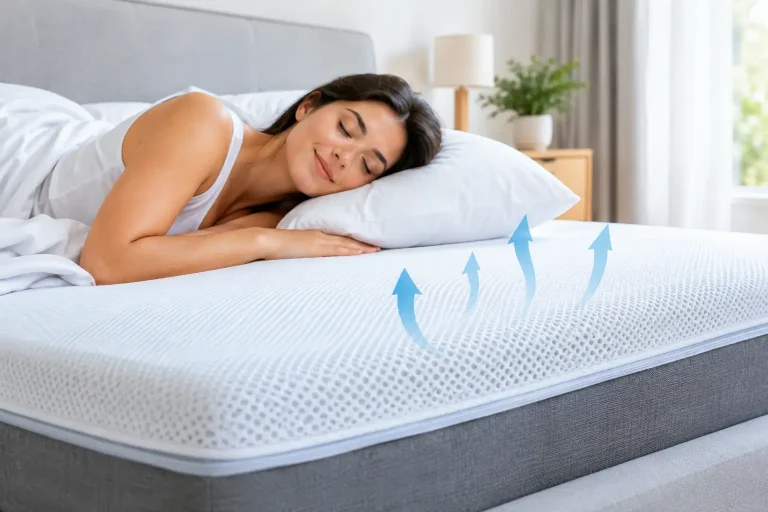
Look for materials that support airflow and do not hold excessive heat around the body. Latex is naturally more open and responsive than many traditional foams. A hybrid mattress adds another advantage: airflow around the coil system can help heat dissipate instead of remaining trapped in solid foam layers.
Your base, protector, sheets, and duvet also affect temperature. Still, if the mattress itself feels dense, warm, and worn down, upgrading the whole sleep surface may deliver a more reliable change than placing another insulating layer on top.
Make the decision with a simple at-home check
Strip the bed and inspect it in good light. Look across the surface for visible impressions and press along the center, sides, and the places where you and your partner sleep most often. Notice whether the edge feels stable and whether the mattress returns to shape evenly.
Then think about what you feel during the night and the next morning. Do you mainly need a softer surface? Or do you feel unsupported, overheated, or disturbed whenever your partner moves? Surface discomfort points toward a topper. Problems with alignment, sagging, heat retention, and motion transfer point toward replacement.
If you do choose a topper, give it a fair test with your usual pillows and bedding. Your pillow and mattress work together to keep the neck and spine positioned well. A thicker topper changes your height on the bed, so a pillow that once felt perfect may suddenly feel too high or too low.
Choose the upgrade that protects your sleep
A topper is a practical tool, not a miracle repair. It can add pressure relief, soften an overly firm feel, and extend the comfort of a mattress that still has a healthy support core. It is not designed to correct permanent sagging, worn springs, poor motion isolation, or heat that originates within an aging mattress.
When replacement is the answer, prioritize construction that solves the reason you are waking up. Azure Mattress hybrid designs pair pressure-relieving comfort layers with individually pocketed coils to support spinal alignment, reduce partner disturbance, and promote cooler airflow. Quality materials and a stable support system give the comfort layer something dependable to work from.
The best choice is the one that leaves you waking less stiff, less overheated, and more rested. If your mattress still supports you, a topper may be all it needs. If it no longer does, replacing it is not an indulgence – it is a practical investment in the hours your body uses to recover.